Influence in Iran: CIA, Mossad and Saudi’s Gambit
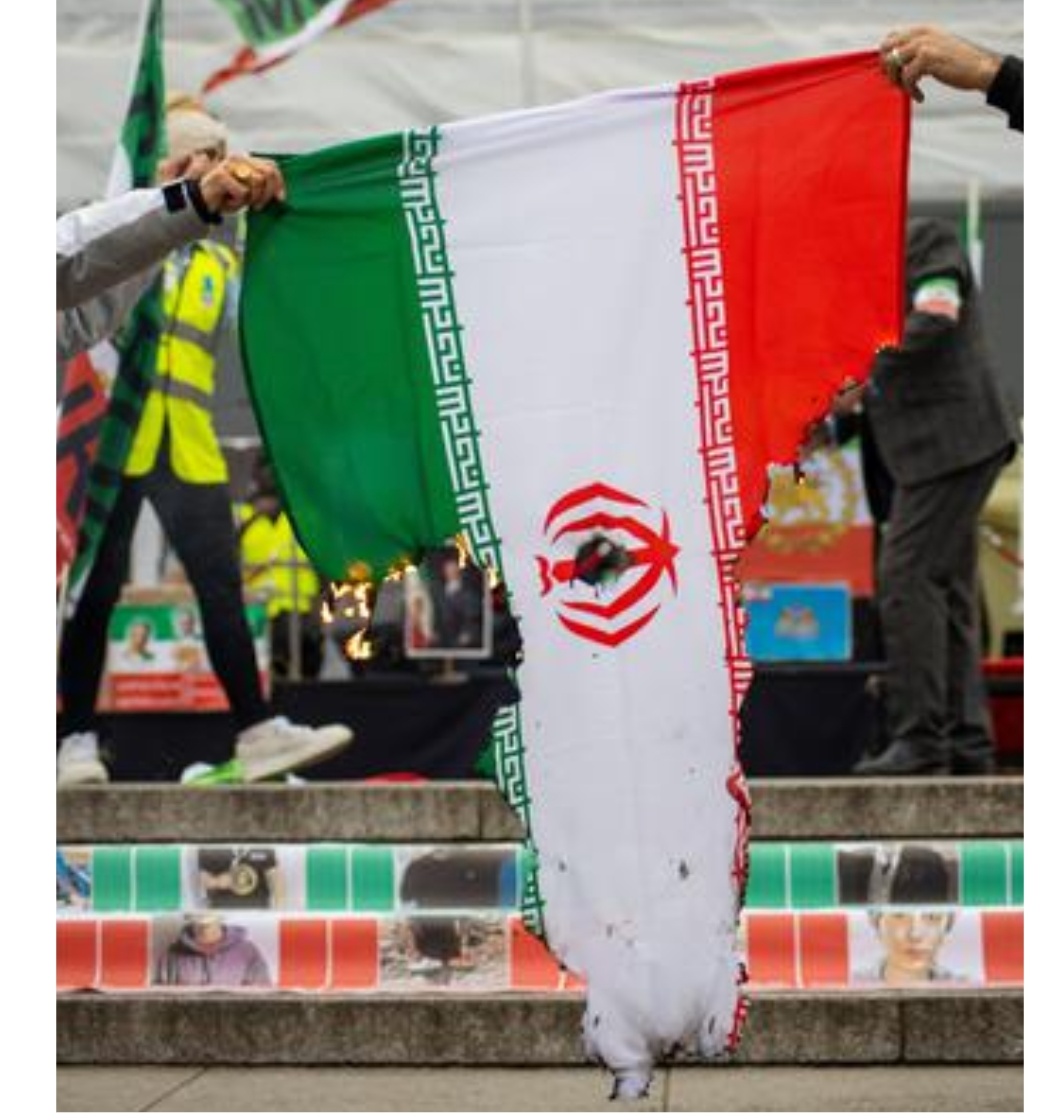
In an era where geopolitical rivalry increasingly intersects with the quest for global stability, the narrative of external powers attempting to influence Iran’s political and military landscape offers a rich tapestry of international intrigue and strategic maneuvering. The clandestine efforts by the United States, Israel, and Saudi Arabia to “buy” influence within Iran underscore a profound narrative of power play in the Middle East. This complex scenario raises pertinent questions about sovereignty, intervention, and the ethical boundaries of international relations.
At the core of this narrative is the Iranian regime, steadfast in its ideological pursuits and frequently at odds with the global push towards democracy and human rights. Despite whispers of regime change, Iran’s military and intelligence forces remain primarily focused on preserving the current structure. This focus is not isolated; it’s part of a broader, intricate dance of power, where both external and internal forces vie for influence and control.
The involvement of Russia over the past 45 years, actively purchasing loyalty from military ( IRGC or Army ) and security forces ( MOIS), adds a significant layer to this geopolitical puzzle. It highlights a global competition for allegiance that transcends traditional borders and ideologies. Concurrently, the Iranian regime’s pursuit of nuclear capabilities, potentially funded by the same resources external powers seek to control, introduces a critical concern that transcends mere political maneuvering, touching the realm of global security.
In addressing the challenge posed by the regime in Iran, proposed strategies range from a 2-3 year plan emphasizing propaganda and sanctions to immediate military actions targeting the IRGC’s nuclear and missile sites. Despite their diversity, these strategies share a unified goal: to realign Iranian politics closer to Western interests and the foundational principles of democracy and human rights.
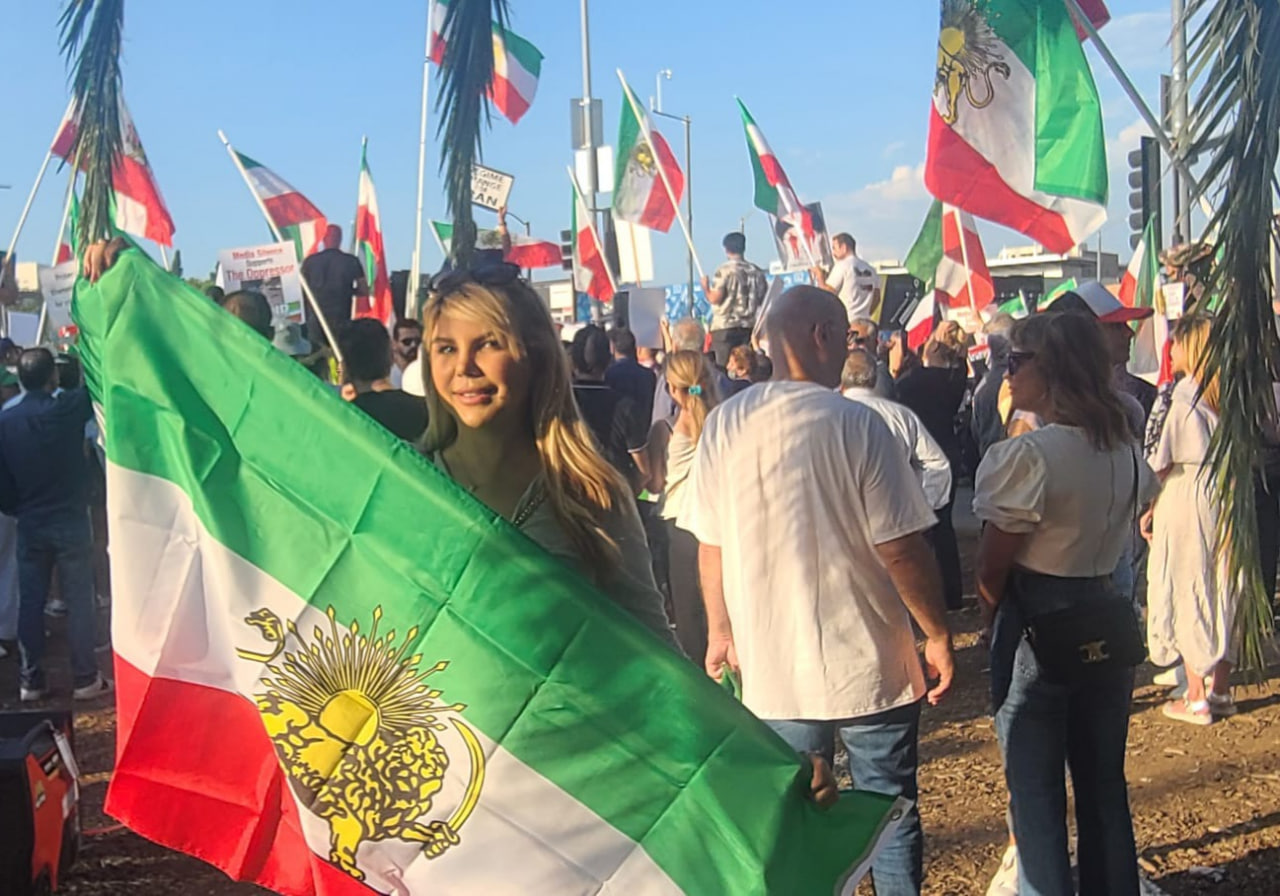
Yet, the narrative extends beyond the realms of power and politics to the Iranian people, whose aspirations for freedom and a better life are caught in the crossfire of international ambitions. The prospect of regime change, pursued with honesty and seriousness, could potentially ensure the preservation of Iran’s territorial integrity and preclude the involvement of separatist terrorist groups. This scenario underscores the high stakes involved, reminding us that the implications of geopolitical strategies and international relations directly impact the lives of millions.
As we deliberate on the attempts by external powers to buy influence in Iran, it’s essential to contemplate the broader ramifications of such actions. The pursuit of influence by the United States, Israel, and Saudi Arabia, countered by Russian interests, is not merely a tale of rivalry and ambition. It’s a narrative that compels us to critically examine the ethics of international intervention, the sovereignty of nations, and the universal quest for human dignity and freedom.
Within this grand chess game of international politics, the Iranian populace must not become expendable pawns in the pursuit of geopolitical objectives. The global community is tasked with finding a solution that respects Iran’s sovereignty while advocating for the democratic values and human rights that underpin a peaceful and just world order. Despite the challenges, the path forward is attainable only through dialogue, diplomacy, and a genuine commitment to the principles of international law, aiming for a sustainable resolution.
Highlighting the intricate interplay of international efforts to influence Iran, three distinct examples vividly illustrate the current dynamics:
1. The CIA’s Attempted Recruitment: In an audacious move, the CIA, with the assistance of some Iranian politicians in the US, sought to recruit a high-ranking commander from the Islamic Revolutionary Guard Corps (IRGC) during the Iraq War’s final stages. This effort, which included plans for a meeting inside the American embassy in Pakistan or alternatively in Saudi Arabia, was part of a broader strategy aimed at destabilizing Iran’s power structure from within. Although these plans were eventually retracted, another attempt in 2003 involved an invitation to the same IRGC commander to speak at a think tank in Washington D.C., which was declined due to his terrorist background. These incidents underscore the lengths to which the CIA went to infiltrate Iran’s military leadership, highlighting the complex dynamics of international espionage and the stakes involved in reshaping Iran’s strategic direction.
2. Russian Involvement: For over 45 years, Russia has been systematically building alliances within Iran, securing military and security loyalty. This long-term strategy underscores the intense global competition for influence in Iran, positioning the country as a significant battleground for geopolitical dominance between Eastern and Western powers.
3. Nuclear Ambitions and Global Security: The Iranian regime’s pursuit of nuclear capabilities, potentially financed by resources that external powers aim to influence, represents a significant threat to global security. The consideration of dual strategies—propaganda and sanctions versus direct military action—reflects the international community’s urgency in preventing Iran from achieving nuclear bomb. This situation highlights the delicate balance between initiating change within the regime and preserving regional stability.
These examples encapsulate the web of international relations, espionage, and strategic maneuvers enveloping Iran, underlining the multifaceted challenges and considerations in addressing the country’s future direction and its broader implications for global peace and security.