
Iran in the aftermath: curses and maledictions
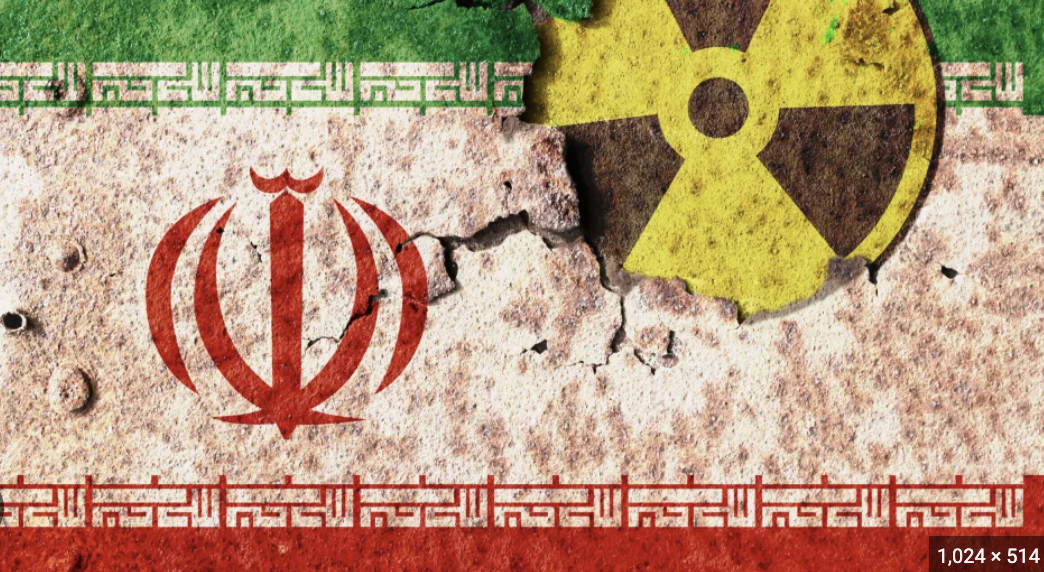
“Those who brought war into our country deserve all the curses and maledictions a people can pour out.” — W.T. Sherman
After the 12-day war, it is time for an Iranian after-action review. What has been learned? For one, it has learned perhaps that “Death to America” and “Death to Israel” are prayers, not plans. Iranian nuclear weapons will conquer neither country. For Iran, nuclear weapons are defensive and intended to protect the survival of the regime. Nuclear-armed Israel did not need to employ atomic weapons against Iran because it didn’t need them to win. Controversy exists around the US use of the nuclear bomb against Japan, but after the bombs were dropped, Japan surrendered unconditionally. At that time, no other country had such a weapon. In the current era of war, nuclear weapons are defensive. Nuclear war extracts too high a cost.
It is a classic military truism that wars cannot be won by bombing alone. Still, any move by Iran to start an offensive nuclear war would likely be met with a barrage of nuclear weapons that would turn Iranian cities and the countryside into an irradiated pile of rubble. The question is: what does victory look like to Iran? All the permanent members of the UN Security Council are nuclear powers with the capacity for a first strike. Any member could destroy civilization. This is why each country can veto a resolution as opposed to a majority rule design.
Iran may learn that other nuclear-armed countries have no reason to give Iran nuclear weapons. What would be demanded in exchange? The US has not given nuclear weapons to allies. If a nuclear power such as North Korea attempted to provide nuclear weapons to Iran, it would be so provocative that other nuclear countries would be tempted to launch a first strike to block such plans. Russia has no reason to provide such weapons to Iran. Russia is a signatory to the Nuclear Non-Proliferation Treaty, which aims to prevent the spread of nuclear weapons. Russia is currently engaged in a war of attrition with Ukraine and has avoided the use of nuclear weapons on the battlefield. Russia’s actions have raised some concerns about the future of nuclear non-proliferation, but giving nuclear weapons to Iran has no obvious strategic upside.
Iran has learned that modern warfare has undergone drastic changes. Iran discovered that it is possible to target an individual from a distance with precision. Israel was reported to have been telephoning Iranian military generals, warning them to flee. Israel claimed to know where they were, where they lived, and the whereabouts of their family. Iran has learned that in modern war, collateral damage to civilians can be significantly minimized. There is no need to drop large bombs. An individual pager can kill or maim a single person. Perhaps ss a desperate reaction to the success of the Israeli bombing campaign, Iran is seeking to kill Israeli collaborators. However, in modern intelligence, a person may not even be aware that they are working for a foreign spy agency. They may even believe they are doing intelligence work for Iran, but in fact may be handing over information to Israel and the US.
Iran could not figure out who the enemy sources were and could be killing unwitting sources. Iran must also face the uncomfortable idea that since Israel was so effective at killing Iranian military leaders, the military leaders not killed might need to answer for their survival. Iran has learned that the deployment and conduct of maneuvers cannot be easily hidden in the age of ubiquitous surveillance. The world is watching Iran as it tries to dig out and repair its damaged nuclear sites. Nothing would prevent a new strike against those nuclear factory targets. Claims that Iran can restart its nuclear program rapidly are likely not much more than a boast. A true intelligence assessment requires an accurate understanding of the extent of the damage, a list of who within the support team was killed, and how easily they can be replaced. It will need to identify alternative sites and the time, manpower, expense, and political will required to restart.
The Iranian regime might be correct if it believes that nuclear weapons are necessary for its survival; In 2003, Libyan dictator and leader Muammar Gaddafi agreed to eliminate his country’s weapons of mass destruction, including a decades-old nuclear weapons program. Gaddafi reasoned that this action would improve Libya’s standing in the international community and would be a net benefit. In fact, this action resulted in Iran and North Korea strongly condemning his nuclear disarmament. They cautioned that such actions would be perceived as a sign of weakness, not strength, and would expose Libya to conquest.
In the 2011 Libyan civil war, NATO forces were heavily involved. NATO assisted Libyan rebels under Operation Unified Protector by providing air strikes and a naval blockade. Libyan rebels, organized under the National Transitional Council, ultimately captured Tripoli in August, 2011. The subsequent defeat of the remaining loyalist forces led to Gaddafi’s capture and death in October, 2011. As the current Iranian regime continues to fight for its existence, it was perhaps prescient in the context of analyzing Gaddafi’s actions.
Iran has seemingly not abandoned nuclear ambitions, but the first strike doctrine should still discourage these plans. In the context of nuclear war, the first strike aims at destroying an adversary’s nuclear weapons before they can be used. The purpose of such a strategy is to prevent or minimize retaliation. It is uncertain if Israel has the nuclear triad defense — a military force structure consisting of three independent ways to deliver nuclear weapons: land-based missiles, submarine-launched missiles, and strategic bombers. This diversified approach to nuclear deterrence means a country can retaliate even after suffering a first strike. Though not perfect, Israel can destroy Iranian-launched missiles, and Iran does not possess tested and operationally deployed intercontinental ballistic missiles capable of reaching the US.
US Civil War General William Tecumseh Sherman criticized the Rebel Army, noting that while pride can stir a population to fight, once the war comes to you, it feels very different. Sherman sought peace, believing it could only occur through union, and war. He pledged to conduct war with the means and methods needed for an early and decisive victory. Actions by Israel and the US have demonstrated the same resolve against Iran. After the 12-day war, the Iranian regime has few options. Time will tell how it reacts to this reality.