
Israel Acts. Trump Speaks. The World Watches.
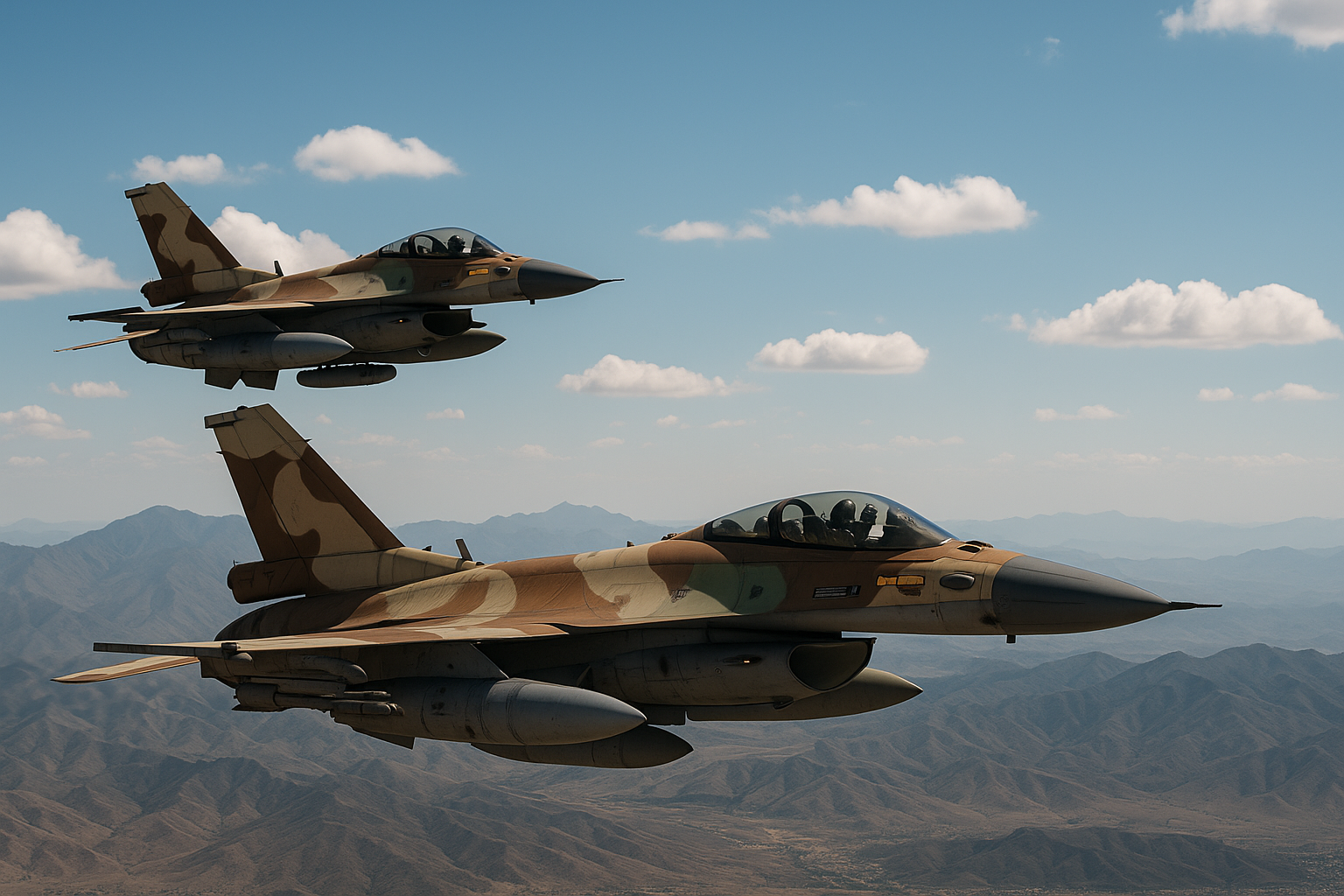
Israel is acting with clarity. It is taking the first step — knowing full well what may follow. As missiles fly and rhetoric escalates, Israel is holding the front lines largely on its own, navigating direct retaliation and the regional consequences that come with it.
At the same time, President Trump is stepping into the frame — not to lead the operation, but to shape the narrative around it. He isn’t ordering strikes. He isn’t directing battlefield strategy. But he is saying what he always says in moments like this: “You should’ve listened to me.”
He is framing Israel’s decision as validation — of his sanctions, his pressure campaigns, his long-standing warnings about appeasement. And in some ways, he isn’t wrong. But while Trump is returning from the G7 to posture on the world stage, Israel is already deep in the fight.
Reports are emerging of precise, high-impact strikes on Iranian military and nuclear-linked infrastructure. These operations are not symbolic. They are shaping the region. And they are unfolding before the first American jet lands or the first U.S. briefing hits the airwaves.
When help comes, it matters.
U.S. coordination in missile defense, real-time intelligence, and intercept operations is saving lives. Israel is not ignoring that — nor minimizing it. But let’s be clear: the weapons, the munitions, the upgrades — those are Israeli. Purchased, developed, and deployed long before this crisis erupted.
These are not gifts. They are contracts. The partnership is real, but it is not a dependency.
Across the country, Israelis are absorbing this moment with familiar tension — not with surprise, but with focus. We have seen this pattern before. We have watched the world hesitate, and we have learned to act while others debate. It’s not cynicism. It’s survival.
Israel has always reserved the right to defend itself — not rhetorically, but practically. From the Osirak reactor in 1981 to the Syrian facility in 2007, preemptive strikes are not new. What’s new is the speed, the precision, and the clarity with which this one is unfolding — in full view of the world, yet still met with silence from many who once called themselves allies.
Trump is already beginning to frame the current moment as one of total American control. In a now-viral tweet, he declared, “We now have complete and absolute control of the skies over Iran,” boasting that U.S. technology has outmatched Iran’s defenses. “Nobody does it better than the good old USA,” he added — a line that tells us everything about how he intends to present this conflict to the world.
But as anyone following the timeline knows, control of the skies is only possible because Israel has already faced the storm on the ground — absorbing missile barrages, retaliating with precision, and reshaping the battlefield before the U.S. even took position.
And now, the political phase begins. Trump is likely to frame the outcome — whatever it is — as a result of his foresight. That, too, is part of the dance.
Because at the end of the day, Israel is not looking for applause. It is looking for outcomes.
If letting Trump feel like the central actor helps expedite weapons transfers, accelerates diplomatic cover, or reinforces the American-Israeli alliance, then let him have his moment.
Strategically, it is worth it. Let him take the microphone, the headlines, the fanfare. The more he talks, the more global attention turns back toward the threat Israel is addressing. And if his ego demands credit in exchange for assistance, we’ve seen worse deals.
Because while he’s tweeting the movie version, Israel is still living the real one.
This moment will pass. The headlines will fade. The speeches will be archived. But long after the images of this week are replaced by the next global crisis, one thing will remain clear: Israel doesn’t wait to be rescued. It prepares. It decides. And when necessary — it acts.