
I believe in independent, clear, and courageous journalism – especially where injustice is being silenced
Israel and Ukraine deepen strategic ties amid growing Iranian threat
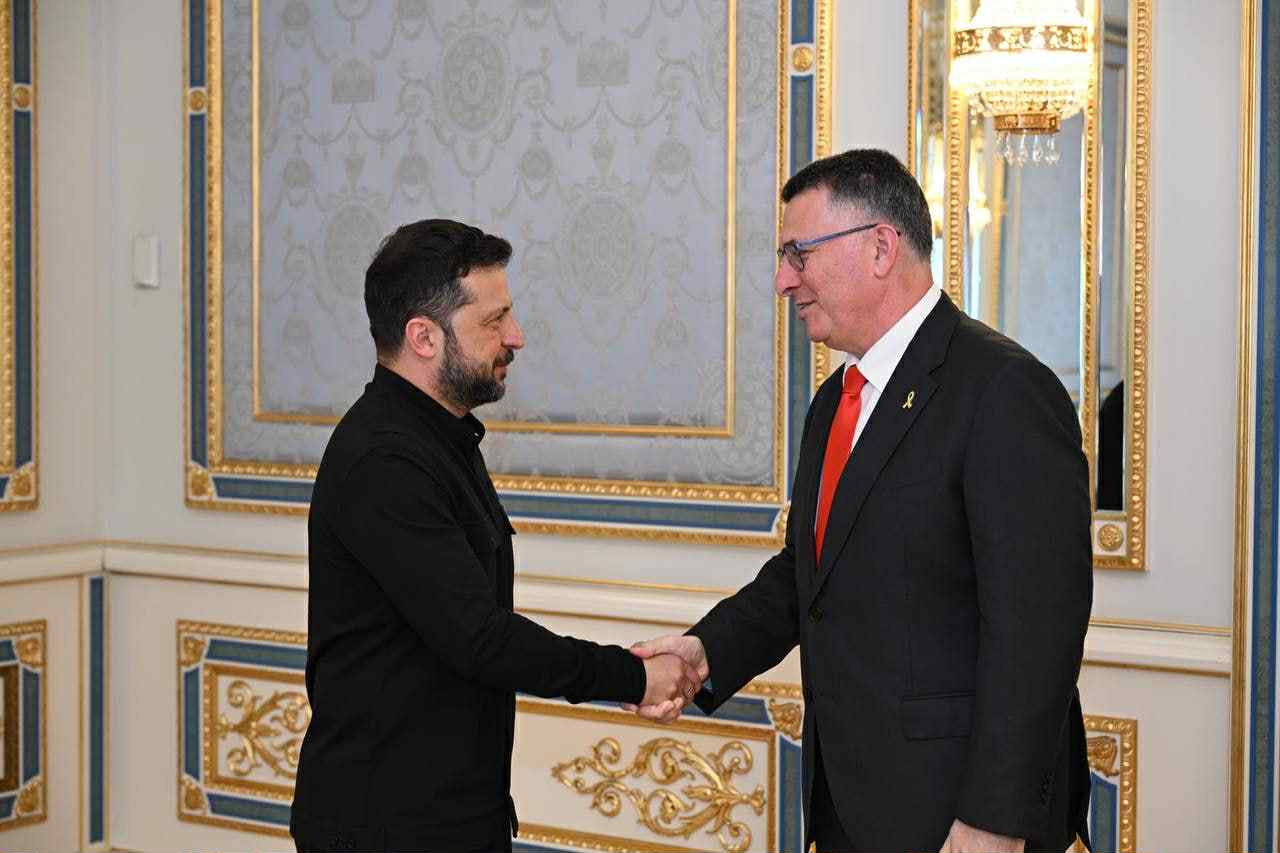
Zelenskyy and Sa’ar (Official Photo)
Israeli Foreign Minister Gideon Sa’ar is on an official visit to Ukraine, where he met with President Volodymyr Zelensky on July 23 to discuss bilateral relations, regional developments, and shared security concerns — particularly the escalating threat posed by Iran.
The meeting was first disclosed by Israel’s Ambassador to Ukraine, Michael Brodsky, who posted details on Telegram. According to the statement, both sides focused on Iran’s destabilizing activities and its growing alignment with Russia in both the military and geopolitical spheres.
A New Phase in Israel–Ukraine Relations
Following the meeting, Ukraine’s acting Foreign Minister Andriy Sybiha announced that the two countries are entering a new phase of strategic partnership.
Israel and Ukraine already have strong economic and political ties. But now we are moving toward deeper collaboration, especially in areas like energy, cybersecurity, healthcare, and the defense industry,” Sybiha said.
He noted that several high-level technology projects are already under discussion and could become the foundation for long-term cooperation.
Trade Growth and Economic Potential
In 2024, trade between the two countries surged by over 65%, reaching nearly $1 billion, according to Sybiha — a strong indication of untapped economic potential.
He emphasized the importance of reviving the Israel–Ukraine Intergovernmental Economic Commission, which would serve as a platform for new joint decisions and policy initiatives.
We have broad opportunities for cooperation in fields like medicine, energy, agriculture, and cybersecurity. It’s crucial that we don’t stop here,” Sybiha stated.
Security Dialogue Focused on Iran
One of the most significant outcomes of the visit was the agreement to establish a dedicated security dialogue track — a new framework for coordinating joint responses to regional threats, with Iran at the top of the agenda.
“The Iranian regime is a serious threat not only to Israel but also to Ukraine, especially in light of its partnership with Russia, arms transfers, and proxy support. Strategic coordination is essential,” Foreign Minister Sa’ar said in Kyiv.
According to Ukrainian officials, the security dialogue will involve cooperation between defense and intelligence institutions in both countries and will focus on emerging threats and hybrid warfare tactics involving Iranian technology and Russian aggression.
A Tehran–Moscow Axis of Instability
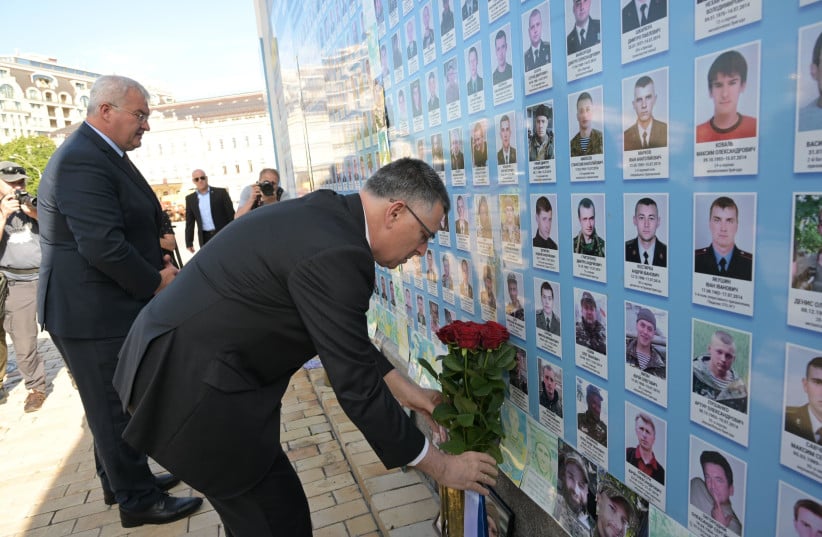
Gideon Sa’ar’s visit to Kyiv carries deeper symbolic meaning. As one of Israel’s most vocal critics of Iran’s influence, Sa’ar has repeatedly warned against underestimating the strategic alliance between Tehran and Moscow. His trip is not only a gesture of support for Ukraine, but also a message to the West: Israel is moving toward a full-fledged strategic alliance with Ukraine — and the growing Iranian threat is now a shared concern.
As both Israel and Ukraine face increasing regional and global threats, they are turning toward each other for deeper cooperation — not only in trade and technology, but in matters of defense and national security. The formation of a new security track centered on the Iranian threat marks a significant shift in relations, potentially paving the way for a long-term alliance between two democracies standing on the frontline of modern hybrid warfare.
Related Topics
Related Posts