Former Director of Planning Ministry of Investment and Industrial development of Somaliland
Israel Recognizes Somaliland, New Cooperation Era
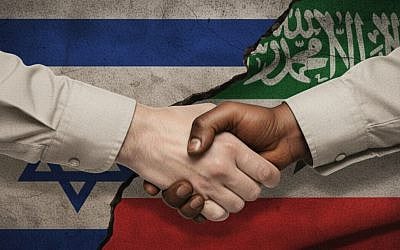
On Friday December 2025, Israel became the first country to formally recognize Somaliland’s self-government state. Prime Minister Benjamin Netanyahu hailed the move as “in the spirit of the Abraham Accords,” pledging “immediate cooperation” in agriculture, health, technology and the economy. Somaliland’s president, Abdirahman Mohamed Abdillahi, embraced the announcement as a milestone toward peace and prosperity, stating that his government would seek “partnerships, mutual prosperity and stability” across the Middle East and Africa. Somalia’s government denounced the decision as “unlawful” interference with its sovereignty, but Israel and Somaliland have turned quickly to practical collaboration.
For Israel, the new alliance offers concrete strategic and economic benefits. Somaliland’s Gulf of Aden coastline sits just across the Bab el-Mandeb strait, a chokepoint traversed by roughly one-third of global shipping. In effect, Israel gains a stable Red Sea foothold next to its own southern entrance. One analyst notes that Somaliland “offers stability, ports, intelligence access and a non-Iranian platform on the Red Sea,” a valuable combination as Israel faces threats from Yemen’s Houthi militia rebels and seeks diversified trade routes.
Beyond security, Israel plans to export its technological know-how. Known as the “Startup Nation,” Israel excels in water management, desert agriculture and high-tech innovation. Its irrigation and sustainable farming techniques are already transforming crops across Africa, and Israel4Africa programs connect Israeli tech firms with growing markets.
Somaliland’s economy is largely agricultural (livestock exports are a mainstay), so Israeli experts could dramatically boost its yields and water efficiency. Likewise, Israeli partnerships in fintech, cybersecurity and health tech are emerging throughout Africa. Collaboration in these fields would help modernize Somaliland’s digital infrastructure and hospitals, and provide new markets for Israeli industry. In short, Israel sees economic diplomacy as a win‑win: it exports technology and investment while deepening an alliance on the African flank of the Middle East
Somaliland stands to gain at least as much. Somaliland has maintained its own peaceful, democratically run administration since Somalia’s civil war in 1991. Its economy (about $4.3 billion GDP) relies on livestock, livestock products and remittances from a large diaspora. But lack of international recognition caused no aid, loans or trade agreements. Now, being embraced by Israel could unlock foreign investment and markets. Already, the United Arab Emirates has pumped roughly $450 million into upgrading Somaliland’s Port of Berbera and linking it overland to Ethiopia.
An Israeli–Somaliland relationship could accelerate such projects with joint ventures or grants. For example, Israeli agricultural companies might help turn arid land green, and Israeli engineers could improve Somaliland’s infrastructure ports, roads and Internet connectivity. Israeli hospitals and NGOs, which work across Africa, might also open clinics and train local staff in Hargeisa and beyond. Crucially, Abdullahi’s government has signaled that this step is more than symbolic. By expressing eagerness to join the Abraham Accords framework, Somaliland’s leaders suggest they view economic integration and stability as their path to international legitimacy. As one Somaliland official put it, Israel’s endorsement “builds momentum” for others to follow, increasing Somaliland’s diplomatic weight and market access
The broader context makes this cooperation plausible. Since 2020, Israel has normalized ties with Arab and African countries by emphasizing trade, innovation and security interests. Today Israel maintains relations with more than 40 African states and participates in major summits—Africans have signed accords affirming trade and diplomatic ties. African leaders, in turn, often applaud Israeli support for technology and agriculture projects. In this spirit, Israel’s deal with Somaliland is framed as a developmental partnership, not only a political wedge.
Critics warn that recognizing Somaliland risks encouraging separatism. The African Union insists on respect for Somalia’s borders, and nations like Egypt and Turkey promptly voiced “total rejection” of the move. Those concerns reflect legitimate fears of instability. But Somaliland is unique: unlike most restoration states, it has been peaceful and self-governing for decades. Israel and Somaliland emphasize that they are not drawing new borders or militarizing; they are instead aiming to improve farming, health care and business. If cooperation truly sticks to these practical goals – drip-irrigation systems for arid farms, better clinics and solar power in villages, tech labs for young entrepreneurs – the partnership could raise incomes and resilience
In the final analysis, Israel’s decision to recognize Somaliland is a calculated gamble on common interests. By tying their fortunes together, the two countries are betting that shared prosperity can trump controversy. For Israel, it means a foothold on the Red Sea and new economic outlets. For Somaliland, it offers the promise of investment, technology and diplomatic space. The path will require careful diplomacy to manage Somalia’s objections and regional tensions. But if both sides follow through on their promises, this nascent alliance could foster development and stability in a region that desperately needs it.
Related Topics
Related Posts