Founder, Kitah
Israel’s Chief Rabbinate, the Chareidi Public and Corona
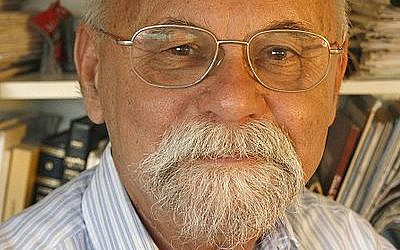 I just learned about the death of Professor Menachem Friedman. Admittedly, I had never heard of him before, so I looked him up on his Wikipedia page (the Hebrew one – the English one is terrible). I quickly learned that he was a prominent sociologist who studied different cultures in Israeli society, and especially Chareidi culture.
The very first article Friedman wrote addressed the internal contradiction that is the Chief Rabbinate) of Israel. In his article, he noted a number of internal contradictions including the fact that the Chief Rabbinate enforces a form of Judaism that large swaths of the Israeli public does not accept. One important contradiction that he noted is the fact that while Israeli law gives the Rabbinate legal standing as the religious authority over the Jewish people, much of the religious public, and specifically the Chareidi public, turns to its leadership, the Roshei Yeshivot (yeshiva heads) who they consider the true Torah leaders of the generation.
Over the last few days we have witnessed Friedman’s article play out in real life. After the government issued stern warnings to refrain from gatherings of more than ten people, the Chief Rabbinate issued an immediate ruling that the edict of the Ministry of Health has the status of halachah – it is binding religious law.
At the same time, the Chareidi public ignored this edict, instead choosing to follow the ruling of Rabbi Chaim Kanievsky, who decided that Torah learning would protect Israeli society better than social distancing.
I’m not here to defend the Chareidim and their willingness to follow their religious leadership. At times I find their steadfastness inspiring, as they often reject outside pressures and maintain lives of religious faith and practice. This time though, the ruling of the gedolim seems dangerous, placing the very weakest populations of their own Chareidi and broader Israeli society in danger.
From a sociological point of view, this episode indicates just how correct Friedman was and is about the inherent challenges facing a Chief Rabbinate. The Chief Rabbis’ statements and rulings throughout the Corona crisis have been spot one, without question. Sadly though, they lack a following or constituency who cares.
Related Topics