It Ain’t Over
We all know the expression “It ain’t over ‘til it’s over.” And we also know that it is true in many circumstances. We can’t always see how things will resolve until we are at that point. Yet we often jump to conclusions, and react to those conclusions, before we know what is really going to happen.
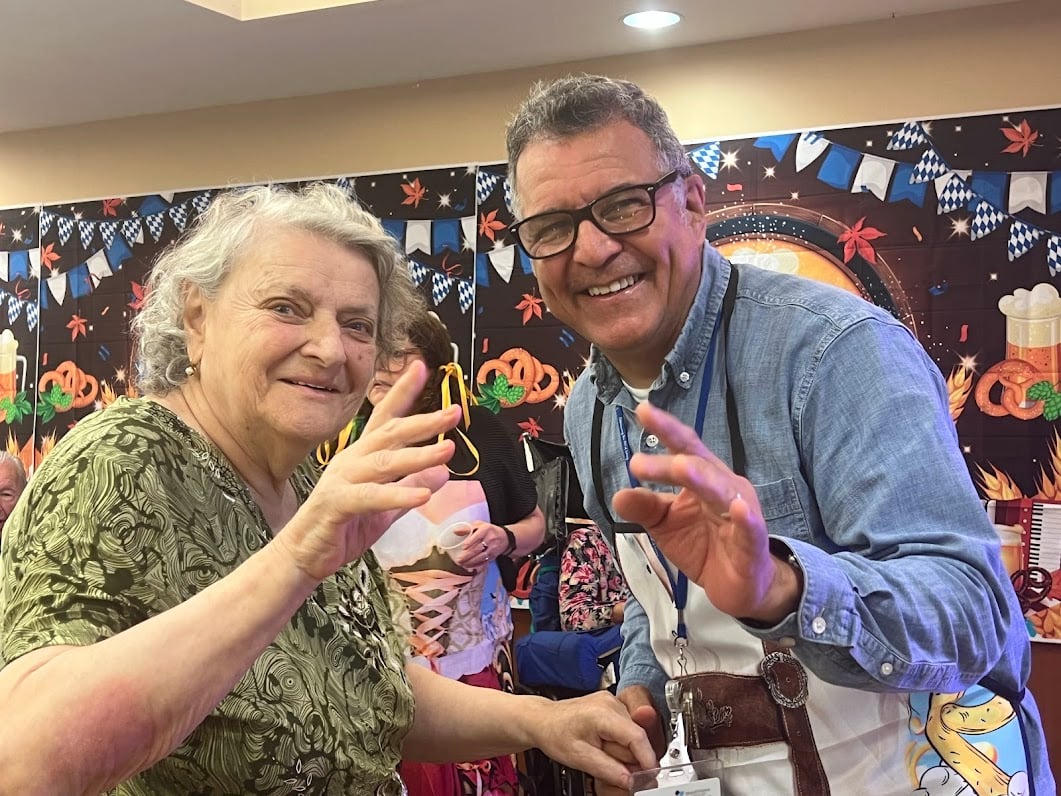
I was thinking about that in the context of elder care. Individuals who are admitted to our care are often facing health challenges. They may need supportive care because they have experienced a stroke or have difficulty taking care of themselves or because they have cognitive decline. Sometimes, folks come to us because living alone is just too difficult and too isolating for them. The reasons are as varied as the individuals.
Despite the varying reasons, condition, health and abilities of each individual, there is a prevailing societal assumption, that this is the end of the line and that the only thing that is an absolute given is that life for these individuals has only one possible direction—and that direction is not up.
Yet, every day we see how wrong that is, every day we see people whose condition requires skilled care, but who are still growing and changing, still learning and achieving. We see people in their mid-90’s who are leading a Tai Chi class for their peers. We see people struggling with physical disabilities who are reading to a preschool class and holding them spellbound with their use of voices and sound effects to illustrate the story. We watched a person who’d had a catastrophic stroke and struggled to regain speech, audition for a speaking part in a play that we’ll be putting on next year.
When we count out our elders, when we decide that their path ia pre-determined and their limitations will only increase, we fail. We fail not only our elders, but we fail our future selves. Would we want assumptions like this made about us? Would we want to be “counted out” before the final bell?
Older adults are human beings with skills and knowledge, wisdom and capacity. It truly “ain’t over ‘til it’s over” and remembering that, and applying it to our elders, has the potential to change the world—not just for older adults, but for all of us.