Jewish Community Security and Challenges Amid Rising Antisemitism

Ninety years ago, in a Europe beginning to succumb to the rise of Nazism and the complicit silence in the face of intolerance, the World Jewish Congress was born in Geneva. The organization emerged from the courage and vision of leaders who understood, even then, that defending human dignity requires unity, representation, and collective action.
Nearly a century later, returning to Geneva to celebrate the 90th anniversary of the World Jewish Congress brought an inevitable realization: history, unfortunately, is warning us once again.
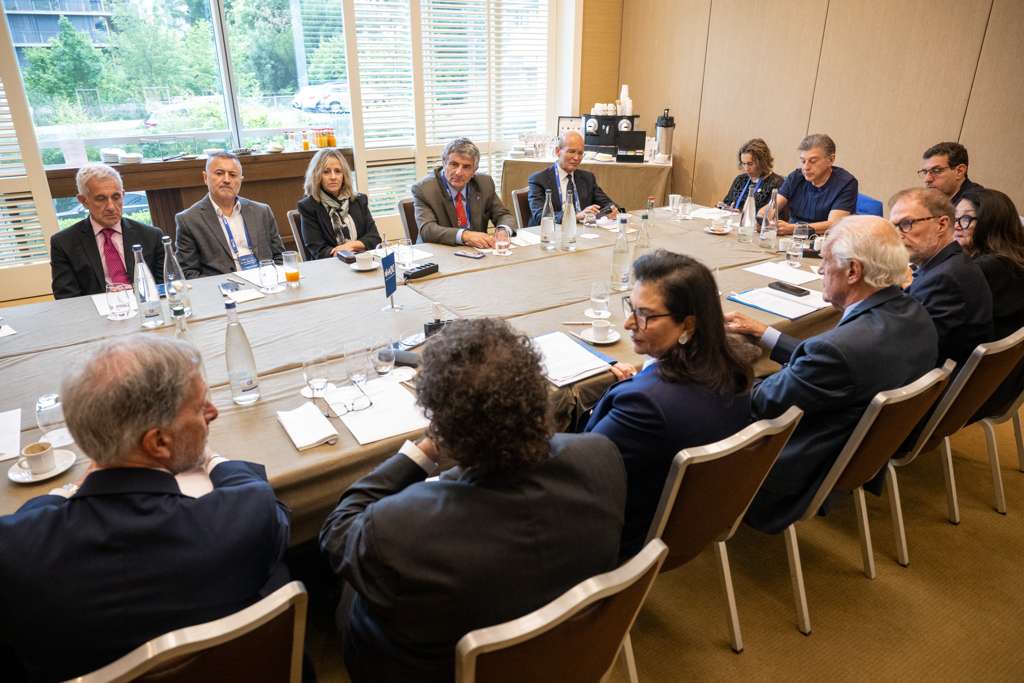
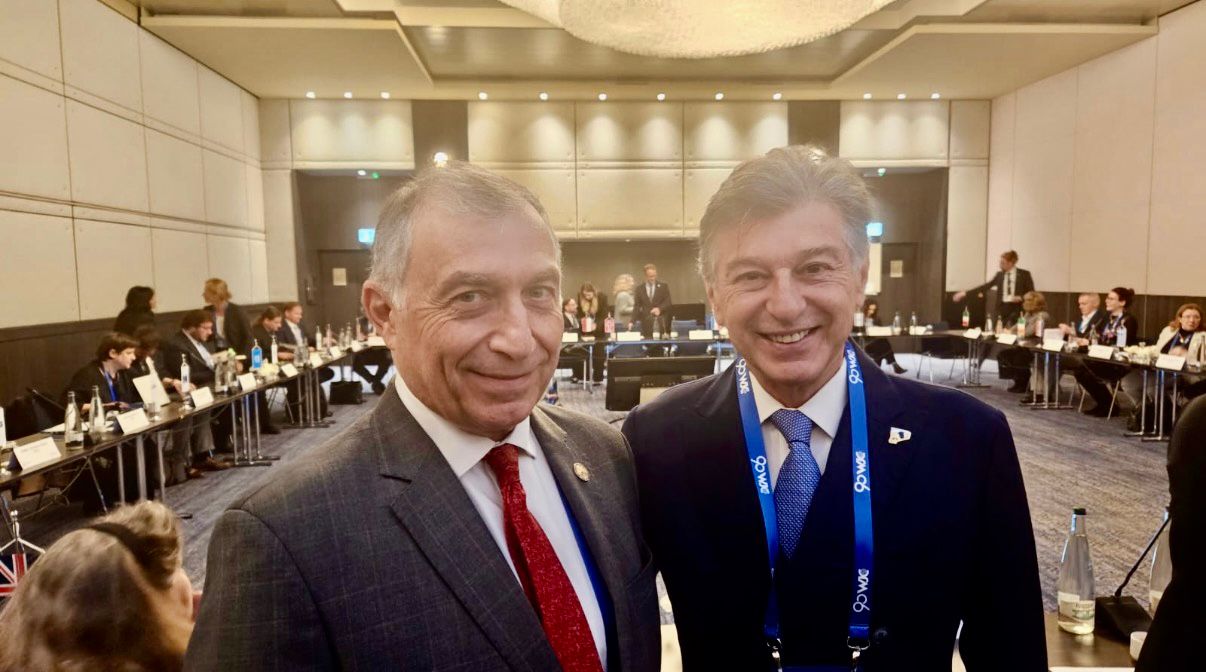
From May 10 to 12, community leaders, diplomats, experts, and representatives from various countries gathered to discuss a phenomenon that has ceased to be occasional and has become part of the daily reality of contemporary democracies: the growth of antisemitism, extremism, and intolerance.
The shared sentiment throughout the meetings was clear. The world is at a turning point. Hate speech has become more visible, more normalized, and more widespread — especially in digital spaces — and its impacts already extend beyond the Jewish community. When extremism gains ground, society as a whole is weakened.
In a city that hosts central institutions of international diplomacy — such as the United Nations, the World Health Organization, and the International Committee of the Red Cross — the discussions also sparked important reflections on the role of multilateral organizations in an increasingly polarized global landscape. Remaining faithful to the principles of democracy, human rights, and coexistence among nations may be one of the greatest challenges of our time.
The history of the World Jewish Congress helps us grasp the scale of this commitment. Over nine decades, the organization has been present at some of the most dramatic moments in modern history: the Holocaust, the forced displacement of millions of Jews, persecution in the former Soviet Union, wars faced by Israel, and recurring episodes of hostility against Jewish communities worldwide.
Brazil’s participation in these celebrations was also a source of pride. The presence of Mrs. Chella Safra elegantly and firmly represented the importance of the Brazilian Jewish community on the international stage. Likewise, the expanded international role of Claudio Lottenberg — who joined the WJC’s commission to combat antisemitism and assumed the co-chairmanship of SECCA (Special Envoys and Coordinators Combating Antisemitism) alongside Katharina von Schnurbein — reinforces Brazil’s contribution to global efforts against hate and intolerance. Recognition is also due to Fernando Lottenberg, whose work has strengthened the defense of democracy and human rights internationally.
One of the most striking moments of the gathering was the joint declaration signed by special envoys and international coordinators combating antisemitism. The document unequivocally states that antisemitism has become a growing global threat, capable of corroding the social fabric and weakening democratic institutions.
The measures advocated by the signatories reflect the urgency of the moment: strengthening the security of Jewish communities, holding perpetrators of hate crimes accountable, expanding Holocaust education, and fostering international cooperation to confront the spread of antisemitism both online and offline.
Beyond institutional discussions, the meetings in Geneva left a powerful human impression: the fight against antisemitism does not belong only to Jews. Jews and non-Jews, government representatives, activists, and experts shared the understanding that combating hate means protecting the very idea of democratic coexistence.
I return to Brazil convinced that our country can play an even more significant role in this international effort. Strengthening public policies to confront antisemitism, racism, and all forms of intolerance is not merely a community agenda. It is a democratic necessity.
The presence of Brazilian leaders in prominent international positions demonstrates that the Brazilian Jewish community continues to contribute meaningfully to the strengthening of dialogue, memory, justice, and democracy.
Because fighting hate is, above all, defending humanity.
Source: Sérgio Napchan (Executive Director of CONIB)