Jewish Creators Need a New Hollywood Moment
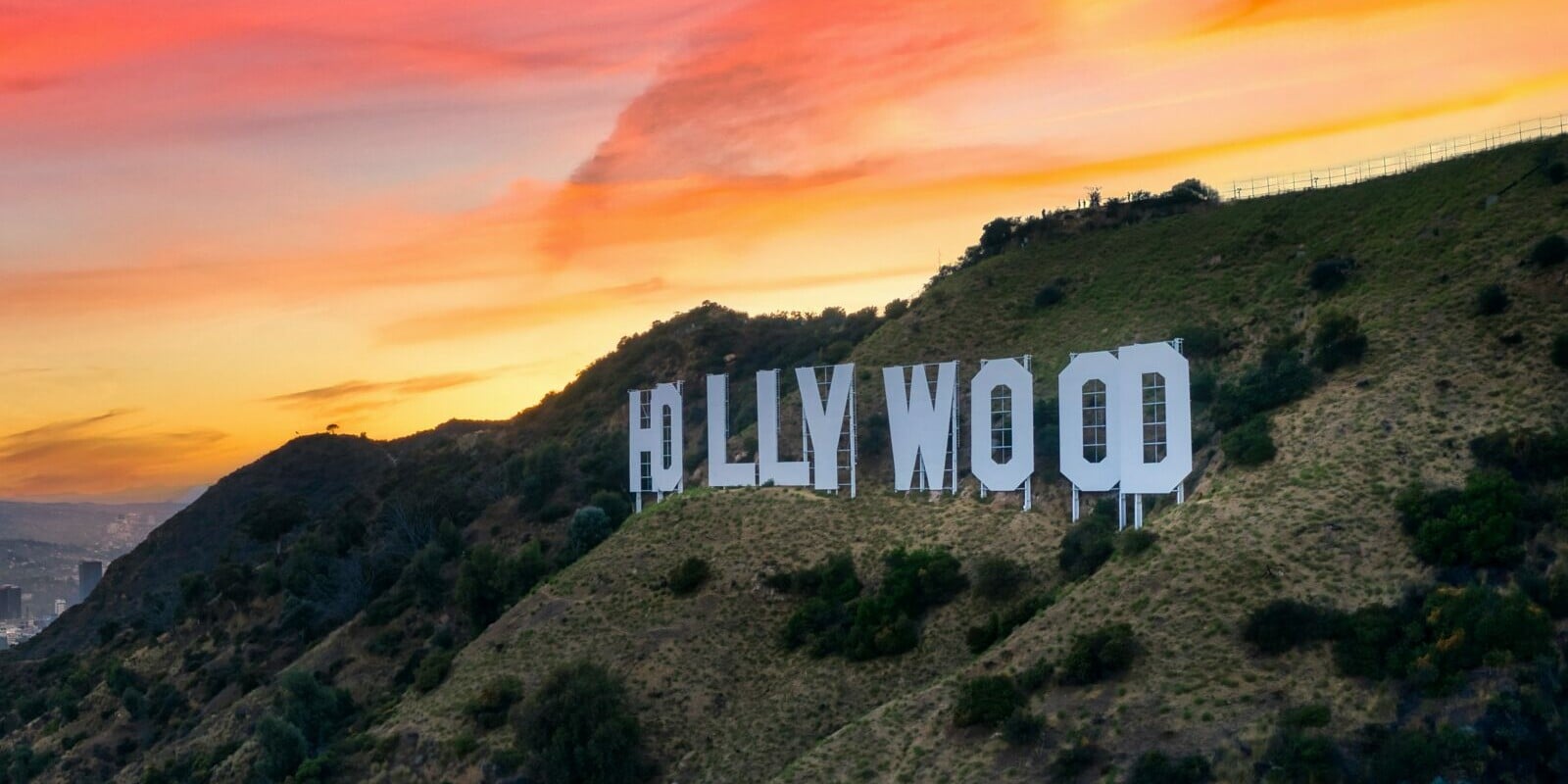
There is a remarkable lesson buried in the history of Hollywood.
More than a century ago, Jewish immigrants and their children faced barriers in many of America’s established professions and cultural institutions. Publishing, journalism and other traditional avenues of influence were not always equally accessible to them. So they looked elsewhere.
They found an emerging medium that much of respectable society considered cheap, vulgar and barely worthy of serious attention: the movies.
And they built an industry.
Adolph Zukor. Louis B. Mayer. Carl Laemmle. Samuel Goldwyn. William Fox. The Warner brothers. Harry Cohn. Jewish immigrants and the children of immigrants helped build the American film industry.
What happened next changed the world.
Movies became one of the most powerful storytelling and cultural forces in history. Hollywood didn’t merely entertain people. It helped define what America looked like, what the American dream meant and how millions of people understood communities and cultures they had never encountered themselves.
And eventually, Jewish stories became part of that cultural conversation.
In 1947, Gentleman’s Agreement confronted antisemitism in American society. That same year, Crossfire addressed the murder of a Jewish veteran and the antisemitism surrounding it. These weren’t academic discussions. They were stories presented to mass audiences through one of the most influential entertainment mediums ever created.
Then came films that presented an extraordinarily broad range of Jewish life and experience to audiences worldwide. Exodus introduced millions of moviegoers to the story of the creation of Israel. Fiddler on the Roof brought the traditions, humor, family and upheaval of Jewish life in the Russian shtetl to all corners of the world. The Chosen explored Jewish identity, faith and generational differences. Operation Thunderbolt dramatized the 1976 Entebbe rescue and the determination of Israel to protect Jewish lives. Later, Yentl explored questions of Jewish identity, tradition and the role of women, and Schindler’s List brought the Holocaust to an entirely new generation.
These films demonstrated something important:
Stories establish memory. Stories can challenge prejudice.
That brings us to today.
We are living through another profound transformation in the way stories are created and consumed. The movie theater is no longer the only place where culture is made. Television has expanded into an enormous global ecosystem. Podcasts can reach millions. Social media can turn an individual creator into a global broadcaster. YouTube, TikTok, Instagram and emerging platforms have transformed storytelling into something that can happen virtually anywhere, at any time.
The Jewish community needs to recognize this moment for what it is.
October 7 was not only a horrific attack on Israel. It was an assault on our history, our people, and the foundations generations have built. In its wake, antisemitism and anti-Zionism surged across the globe—and the media gatekeepers shut us out, bullied by the mob.
That is why we need new pathways.
If our predecessors could look at a medium that others dismissed and say, we can use this to reach people, we should be willing to adapt and innovate as well.
We need to create stories. Impactful stories. Entertaining stories. Stories that people want to watch, share and talk about – through every medium possible.
Our storytellers are among the best in the world. Yet too many are sitting on the sidelines, waiting for the resources or opportunities to turn their ideas into marketable projects.
We need to get them on the field.
We need stories that humanize Jewish experiences, that entertain as well as educate. Stories that convey to audiences: Jewish history, Jewish identity, Israel, antisemitism, family, faith, culture, humor, love, conflict and the extraordinary diversity of Jewish life.
Feature films. Series. Podcasts. Social media. Digital video. And whatever new platforms emerge next.
That is the thinking behind SHOOQ.
SHOOQ is an attempt to learn from the innovators of the past and create new, targeted opportunities to finance and support great Jewish ideas.
The premise is simple:
Connect the people creating great Jewish stories with the people who can help finance those stories.
There are extraordinary Jewish writers, directors, producers, actors, podcasters and digital creators. There are also investors, funds, philanthropists and foundations who want to support meaningful projects but don’t always know where to find them.
Those two communities need each other.
SHOOQ is designed to bring them into the same marketplace.
Help create a new solution.
Projects already featured on SHOOQ show the range and caliber of Jewish stories waiting to be told. They include projects featuring Sarah Jessica Parker and David Schwimmer, Chris Columbus, and the director of Fauda; social media stars Noa Tishby and Montana Tucker; podcaster Jonah Platt; and many others. Our project funders include film funds, studios, high net worth investors, philanthropists and foundations.
Serving on SHOOQ’s Advisory Board are: Fernando Szew (President, Head of Fox Entertainment Studios), Micah Green (CEO of 30 West), Ben Silverman (Former Chairman of NBC/Universal Studios), Anthony Bregman (Film Producer), Emmanuelle Chriqui (Actress/Producer) and others.
Hollywood itself is proof of what can happen when people recognize the power of media and build new infrastructure to support it.
Jewish immigrants didn’t wait for established gatekeepers to give them permission to become influential storytellers. They found a new medium, invested in it and helped transform it into one of the most powerful industries in the world.
We have the talent.
We have the stories.
We have people who want to support them.
What we need is a place that brings them all together.
Introducing THE SHOOQ – theshooq.org