Jewish, Autistic, Writer, Activist - Thought Provoking Influence
Jewish Identity is at a Crossroads
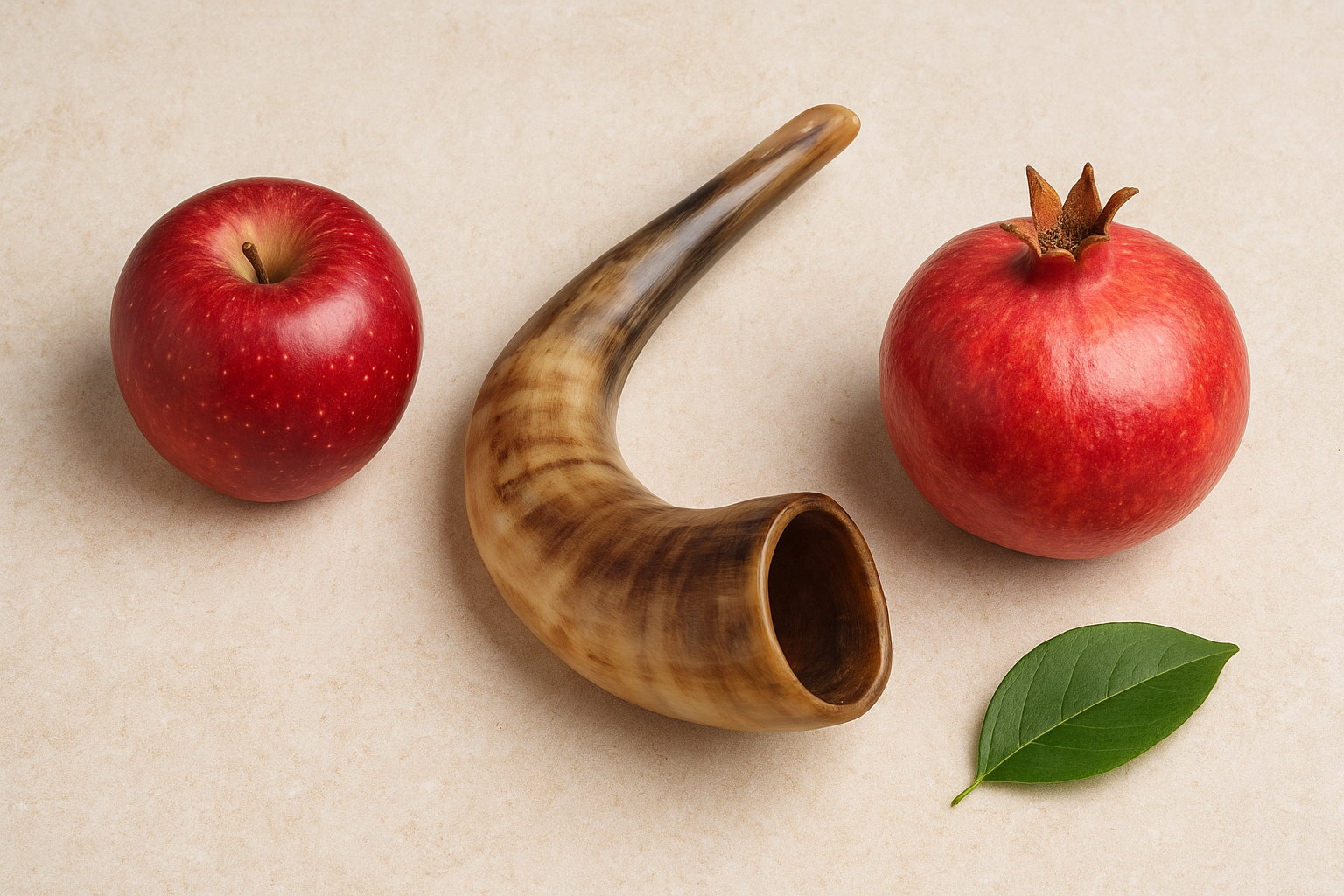
AI generated art by author
In 2025, Jewish identity feels both fragile and unshakable. The events of the last two years — the October 7, 2023 massacre in Israel, the ensuing war with Hamas, and the surge of antisemitism worldwide — have forced Jews everywhere to wrestle with what it really means to be Jewish today.
October 7 has already been called a defining moment for this generation of Jews. For Israelis, it was the bloodiest day since the state’s founding. For diaspora communities, it was a painful reminder that Jewish safety, long taken for granted in some parts of the world, can never be assumed. Generally speaking, it was the deadliest day for Jews since the end of the Holocaust.
“Never Again” was pledged to be a kept promise, L’dor Va’Dor. But that promise was broken, Not just by Hamas and major global policy organizations such as the UN, NATO, EU, and world leaders as well, but sadly, the biggest betrayal came from ordinary citizens around the globe who we thought were our friends, when they turned their backs on us once again even though they claimed to condemn it. Many of us have ended friendships because of this. Our hostages, whether they were released but also the ones who we have to keep fighting for, shouldn’t be used as a political talking point, either.
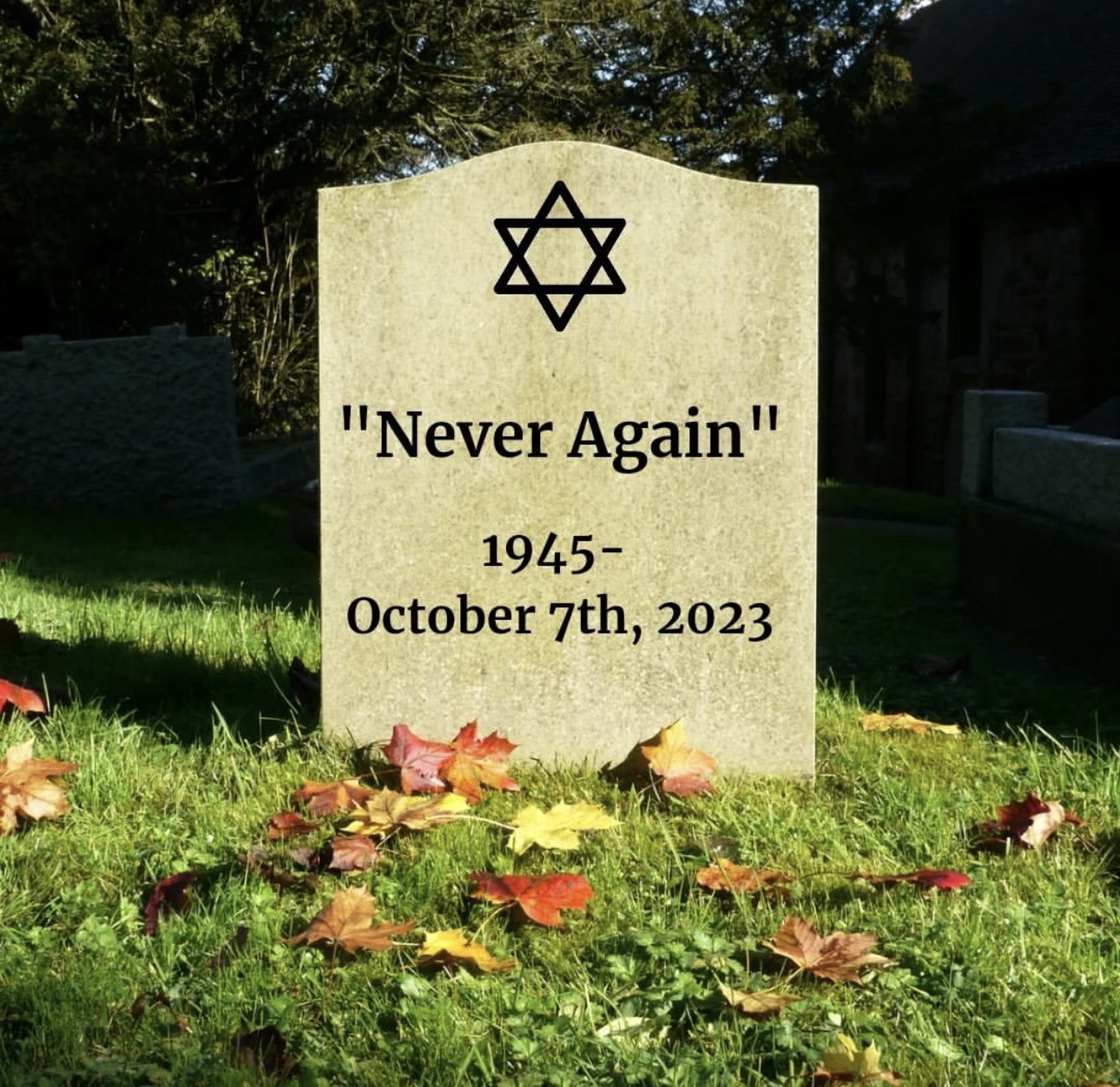
Screenshot from Instagram – credit to @veganrabbi/@elizabethyounger
Surveys since the war show that over half of American Jews feel less safe expressing their identity in public. In Europe, synagogues now require heightened police protection, and Jewish schools have tightened security. These statistics tell one story. The other is deeply personal: whether someone wears a Magen David outside their shirt, whether a student dares to speak up on campus, whether a family feels comfortable walking to synagogue. Pride and fear have become daily calculations.
On university campuses, this tension is particularly sharp. Jewish students are caught in a storm where Jewishness itself has been politicized. Protest movements often erase nuance, reducing identity to a slogan or accusation. For many young Jews, simply being visible has become an act of courage. Yet resilience is everywhere. Hillels and Chabads report not just higher attendance, but deeper engagement. Students are lighting Shabbat candles, sharing meals, and creating spaces of Jewish connection in defiance of hostility. The campus battleground has become, paradoxically, a proving ground for Jewish pride.
Politics also weighs heavily on Jewish identity today. In the U.S., Jews are both courted and scapegoated across the political spectrum. Israel has become a flashpoint issue in domestic debates, turning Jewish students and professionals into stand-ins for geopolitics they cannot control. In Europe, political instability has given rise to far-right nationalism on one side and anti-Israel activism on the other — both of which fuel antisemitism in different forms. For Jews worldwide, political polarization creates new challenges: how to advocate for themselves without being pulled into partisan battles that threaten to redefine Jewishness through a political lens.
The digital world has amplified these struggles. Social media platforms are now spaces where Jewish humor, Torah study, history lessons, and activism flourish — but they are also hotbeds of antisemitism. Conspiracy theories about Jewish power, Holocaust denial, and inflammatory rhetoric around Israel spread faster online than they can be countered. Many Jews find themselves fighting for truth in the comment section while also building creative spaces for Jewish pride. Online life has become both a sanctuary and a battlefield, shaping how Jews see themselves and how others perceive them.
The question of Israel remains central in 2025. For some, Israel is the anchor of Jewish identity, especially in times of war. For others, particularly younger diaspora Jews, the relationship is complicated by politics, ethics, and the global narrative. These divisions can feel painful, but they also reflect an ancient truth: Jewish identity has always been debated and reinterpreted. From Talmudic arguments to modern movements, disagreement has never been a sign of weakness, but a mark of ongoing engagement with what it means to be a people.
Despite fractures and fears, Jewish history suggests this is not an ending but another turning point. Jewish life has always been forged in tension: between survival and flourishing, exile and homecoming, continuity and reinvention. Today is no different. The crossroads of 2025 forces Jews to ask whether their identity will be defined primarily by fear and response to antisemitism, or by joy, learning, culture, and covenant.
What matters most may not be statistics or headlines but small, daily acts. Lighting candles, studying Torah, singing Hebrew songs, teaching children stories of resilience, showing up for one another in times of need — these are the choices that sustain identity. They are also the ones that remind Jews of their covenant, not only with history, but with the future.
Jewish identity in 2025 is not just about survival. It is about resilience, renewal, and responsibility. At this crossroads, the Jewish people, as they always have, are called to choose life, continuity, and hope. As 5786 is here, let us reflect and recommit to our spiritual awakening: a chance to inscribe ourselves and our community for a year of courage, connection, and hope. At this crossroads, the Jewish people, as they always have, are called to choose life, continuity, and renewal — and to enter the new year with determination to preserve identity, foster unity, and strengthen the bonds that make Jewish life enduring.
Related Topics
Related Posts