
Kanye West’s Grammy Nomination and the Normalization of Antisemitism
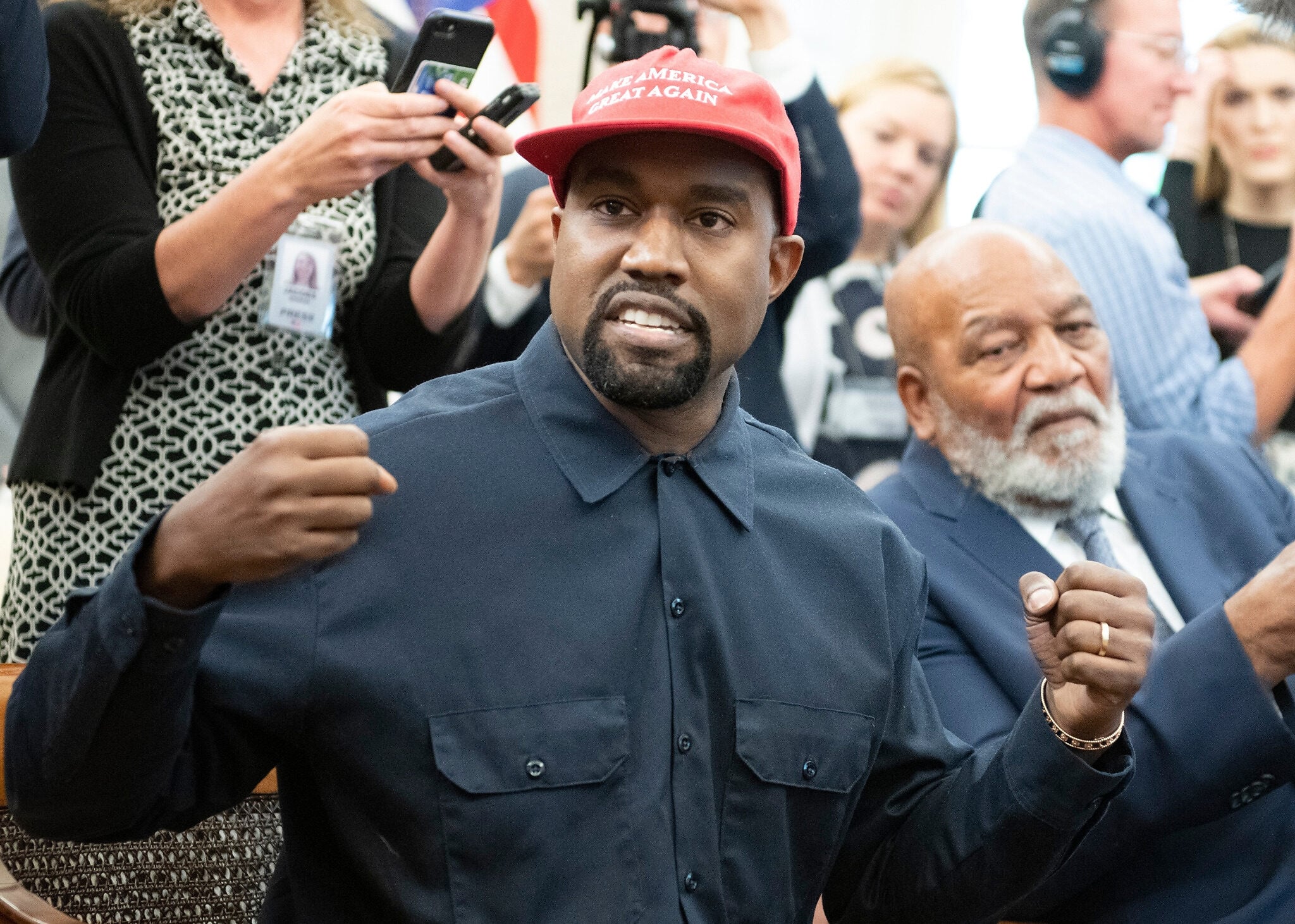
Kanye West, also known as Ye, has just been nominated for the 2027 Grammy Awards in the Best Rap Album category. The same rapper who repeatedly praised Adolf Hitler, declared himself a Nazi, sold T-shirts featuring swastikas, and released a song titled Heil Hitler is once again being recognized by one of the most prestigious institutions in the music industry.
Apparently, glorifying the man responsible for the murder of six million Jews is no longer enough to seriously damage someone’s standing in the entertainment industry.
West’s antisemitism is neither recent nor an isolated controversy. Since 2022, he has promoted Holocaust denial, conspiracy theories about Jewish control of the media and entertainment industry, and admiration for Nazi ideology. His statements have also been embraced by extremist groups, including white supremacists and supporters of the Black Hebrew Israelites, who promote the idea that contemporary Jews are impostors who have stolen the identity of biblical Israel.
These ideas are not particularly new. They recycle centuries-old antisemitic stereotypes, including religious accusations that portray Jews as enemies of God. In 2022, members of the white supremacist Goyim Defense League displayed banners over a Los Angeles highway declaring that Kanye was right about the Jews. The phrase subsequently became a slogan among antisemites online.
The consequences have extended beyond social media. According to the Anti-Defamation League (ADL), 59 antisemitic incidents recorded in the United States between October and December 2022 directly referenced West, including harassment, vandalism, and physical assaults. These incidents do not mean that West personally organized the attacks, but they demonstrate how his rhetoric was reproduced by individuals engaging in antisemitic behavior.
West has apologized more than once. In December 2023, he published an apology in Hebrew addressed to the Jewish community. Yet in 2025, he returned to openly promoting Nazism. In January 2026, he apologized again, this time through a full-page advertisement in The Wall Street Journal, attributing some of his behavior to mental health struggles.
Forgiveness is important, but repentance requires more than words. His previous apologies were followed by renewed antisemitic statements, and his mental health struggles cannot erase the impact of the ideas he promoted. Nor should mental illness be treated as synonymous with hatred or extremism.
Some will argue that the Grammys should recognize musical talent rather than judge the personal beliefs of artists. That distinction is legitimate. However, West’s case goes far beyond controversial opinions. We are talking about someone who repeatedly glorified the ideology responsible for the Holocaust.
The contrast becomes particularly striking when considering how the music industry has responded to Israel. For years, the Boycott, Divestment and Sanctions (BDS) movement has pressured international musicians to cancel performances in the country. In 2017, Lorde canceled a concert in Tel Aviv following such pressure. More recently, the No Music for Genocide campaign encouraged artists to remove their catalogs from streaming platforms in Israel. Musicians including Björk, Lorde, Paramore, and Massive Attack joined the initiative, with some making their music unavailable to Israeli listeners on services such as Spotify and Apple Music.
These artists have the right to express their political views, just as others have the right to criticize their decisions. But the contrast raises an uncomfortable question about the standards applied in popular culture. While some musicians refuse to perform in Israel or make their music available to Israeli audiences as a form of political protest, an artist who has repeatedly praised Hitler continues to receive prestigious recognition. These are different decisions made by different actors, but the contrast deserves attention.
The Grammy nomination does not mean that the Recording Academy endorses West’s statements. Nevertheless, it raises an uncomfortable question about the entertainment industry’s commitment to combating antisemitism. Cultural institutions frequently present themselves as champions of diversity and opposition to racism. Shouldn’t that commitment also apply when the person promoting hatred happens to be an extraordinarily successful musician?
The issue is not whether Kanye West is talented. His influence on contemporary music is undeniable. Nor is it about banning his songs or denying the possibility of personal redemption.
It is about recognizing that antisemitism is not simply another celebrity controversy. When someone with millions of followers repeatedly praises Hitler, promotes Nazi symbols, and disseminates conspiracy theories about Jews, the consequences can extend far beyond the entertainment industry.
If even the glorification of Nazism is no longer enough to seriously undermine a celebrity’s public standing, perhaps the problem is not only Kanye West, but a society that is becoming increasingly comfortable overlooking antisemitism.