
International journalist and producer
Ken Livingstone: ‘We need to develop our relations’
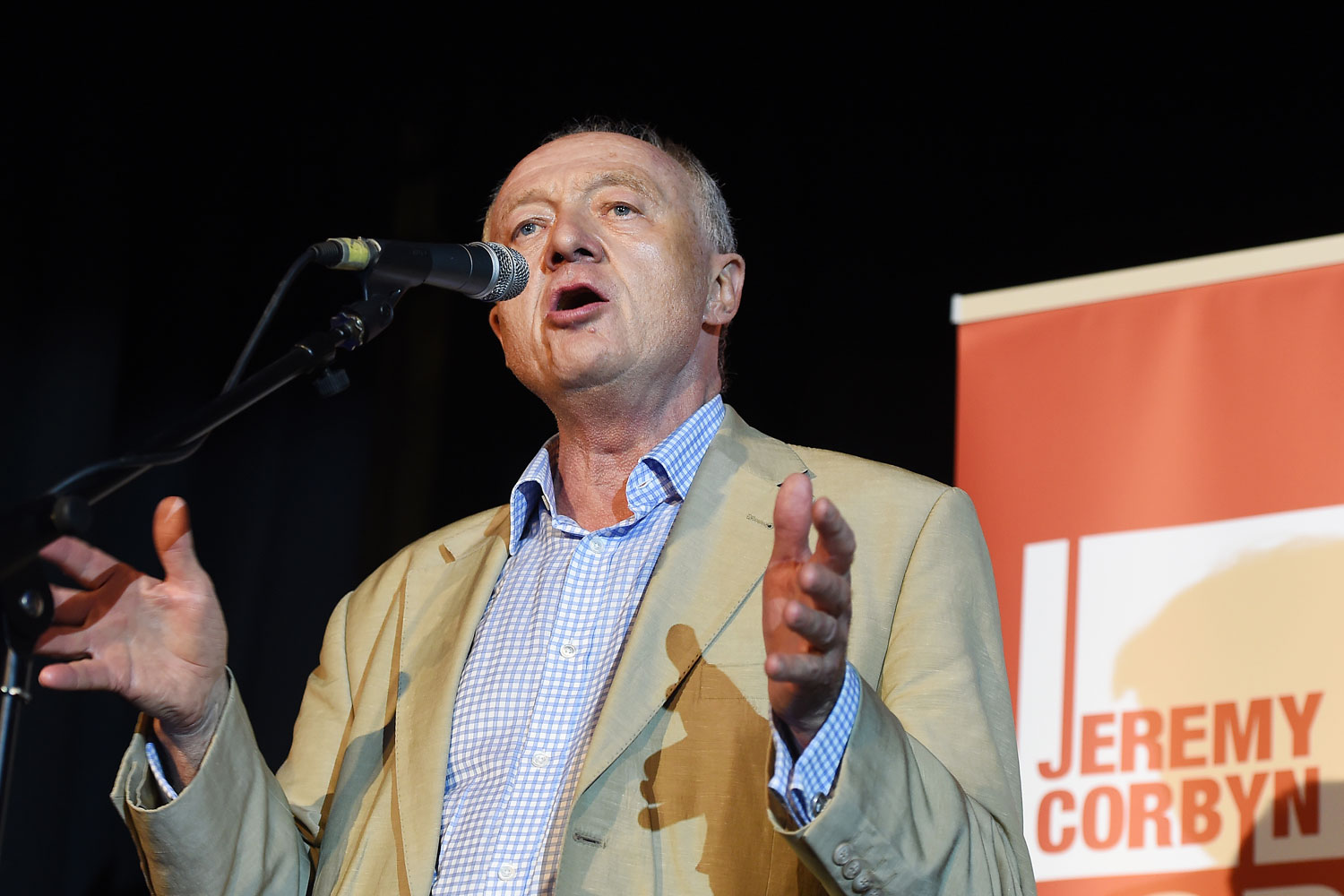
Ken Livingstone on presentation in London, 2016 (Facebook/KenLivingstoneOfficial)
What’s new could happen this year in the life of Israel and the United Kingdom? These questions were discussed in February by Prime Minister Benjamin Netanyahu and his British colleague, Boris Johnson. During this conversation, they agreed to start negotiations on creating a free trade zone between Israel and Britain after Brexit. Ken Livingstone, an English politician who served as the Leader of the Greater London Council and ex-Mayor of London, talks to us his opinion about Israel–United Kingdom relations nowadays.
– What is the stage now in relations between Israel and the United Kingdom?
– If you go back to 1948… Britain just walked away. The issue of whether it’s a two-state solution or not – that’s all the debate at the UN. I don’t think there’s much hostility to Israel in Britain, but in terms of political links, nothing is really any different from other countries. The trade is going on but our prime ministers made the mistake of going along with America in their various Wars and at least apart from that, we don’t really have a great strategy or plan. We need to develop our relations.
– What’s about trading?
– Cameron decided to have a referendum without first commissioning work about what be the economic consequences. He didn’t assume we would lose the vote. And now we’ve got Boris Johnson saying well we’ve got to sort this out in a year. It’s just not gonna happen, there’s a real risk we walk away at the end of this year without a deal because Johnson is saying we mustn’t stay in the single market or the Customs Union. And yet that’s absolutely crucial to our economy. Almost half of our exports go to Europe. So literally, everything about our policy will be focused on that. But also Boris is talking about doing trade deals with other countries all around the world. Clearly, Israel would be one of them, but it’s not gonna be massive compared to their trade deal with America.
– The last huge decision was made around Hezbollah. And the United Kingdom fully supported it. What do you think about it?
– It’s like our involvement with the IRA. When I became the leader of a town council in 1981, Thatcher’s line was – there’s no point negotiating with the IRA, it’s nothing to do with politics which is rubbish and they’re just criminals and psychopaths. And I was saying “you’ve got to negotiate”. Otherwise this bombing weekend, about two bombs going off in London every year. And I think that’s exactly the same position with Hezbollah or Hamas… I mean, there are elements in both those organizations that will be prepared to do a deal with Israel. There are others that want to destroy it. And that was the same situation we face with IRA, I realized that the predominant mood inside the IRA was they wanted a deal. They didn’t want the killing to go on all the rest of their lives. I can’t see the present Prime Minister of Israel ever doing a deal with Hezbollah or Hamas. The big tragedy is when Prime Minister Rabine was assassinated. He is just done the first stage of a deal with the Palestinians. Having not been assassinated, he might have delivered a settlement because he wasn’t a politician – his whole life had been in the military, just switched. And so he approached a problem as one to be just resolved. And that is now most politicians who support an ideology or position.
Related Topics
Related Posts