Always out of step with orthodoxy
Labor Mourns Jewish Victims. But Does It Fight For Living Jews?
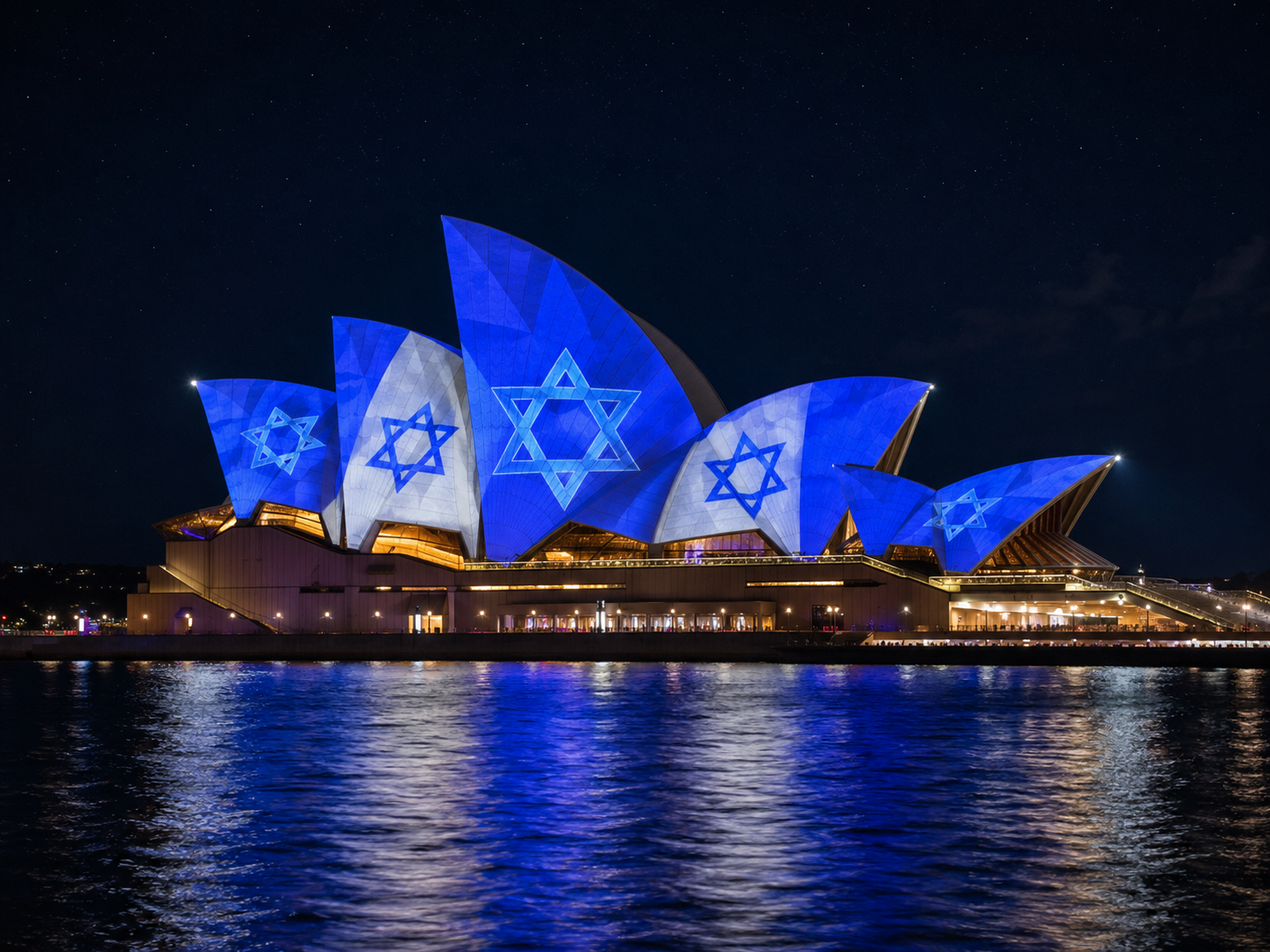
Labor Mourns Jewish Victims. But Does It Fight For Living Jews? Image Ai generated.
The easiest Jew to support is a dead one.
A dead Jew costs nothing.
A dead Jew asks for nothing.
A dead Jew can be remembered, honoured and mourned without demanding uncomfortable decisions in the present.
That is why every year politicians stand before Holocaust memorials and solemnly declare “Never Again”.
The words come easily.
The applause follows.
Nobody objects.
But October 7 exposed a disturbing reality.
For decades, the Holocaust has been remembered with moral clarity.
October 7 was immediately debated.
The Holocaust is discussed as an evil.
October 7 was discussed as a context.
The Holocaust receives commemoration.
October 7 received qualifications.
Same hatred.
Same targeting of Jews.
Completely different response.
Notice the difference.
Then ask yourself why.
On October 7, Hamas terrorists murdered approximately 1,200 people, wounded thousands more and dragged hundreds of hostages into Gaza.
Entire families were exterminated.
Children were murdered.
Young people attending a music festival were slaughtered simply for dancing.
The response should have been simple.
It should have been outrage.
Instead, much of the world immediately moved to explanation.
“But what about…”
There is no “but” after terrorism.
There is no “but” after the largest massacre of Jews since the Holocaust.
Yet the qualifications began almost immediately.
In Australia, Jewish Australians watched something else unfold.
Within days, crowds gathered outside the Sydney Opera House.
Week after week, pro-Palestinian demonstrations filled Australian streets.
The Harbour Bridge became a stage for political activism.
University campuses became battlegrounds of intimidation and hostility.
Antisemitic incidents surged.
Jewish schools increased security.
Synagogues increased security.
Jewish families began asking questions they never imagined asking in modern Australia.
Should we hide our Jewish identity?
Should we remove visible symbols?
Should we stop wearing a Star of David in public?
The warnings were there.
The warning signs were obvious.
Yet many Jewish Australians felt their concerns were treated as secondary, inconvenient or politically uncomfortable.
Prime Minister Anthony Albanese repeatedly condemned antisemitism.
Foreign Minister Penny Wong thought about condemning antisemitism.
Home Affairs Minister Tony Burke repeatedly lied about importing terrorism.
But condemnation is not the same thing as leadership.
Statements are not the same thing as action.
The true test of government is not how it responds after tragedy.
The true test is whether it prevents tragedy in the first place.
Then came Bondi Beach.
Fifteen people murdered during a Hanukkah celebration.
Australia’s deadliest antisemitic terrorist attack.
A massacre targeting Jews because they were Jews.
The Bondi Beach massacre should have shattered any remaining illusion that antisemitism was merely a fringe problem.
October 7 should have been the warning.
The scenes outside the Opera House should have been the warning.
The weekly demonstrations should have been the warning.
The explosion in antisemitic incidents should have been the warning.
Instead Australia waited until Jewish Australians were murdered on Bondi Beach during Hanukkah.
Then suddenly everybody understood the threat.
Then suddenly the rhetoric became stronger.
Then suddenly politicians discovered urgency. But not urgent enough to call a royal commision, only after weeks of campaigning did the Albanese government agree.
That is the uncomfortable truth confronting Jewish Australians today.
The political class is excellent at mourning Jewish victims.
It is less convincing when it comes to defending Jewish citizens before they become victims.
Dead Jews are easy to support.
Dead Jews require sympathy.
Living Jews require courage.
Living Jews require politicians willing to confront antisemitism regardless of where it originates.
Living Jews require leaders willing to challenge extremists even when doing so carries political risk.
And that is the question facing Anthony Albanese and the Labor government.
Not whether they can deliver another speech.
Not whether they can attend another memorial.
Not whether they can post another Holocaust Remembrance Day message.
The question is simpler than that.
Will they fight antisemitism with the same determination that they mourn its victims?
Because many Jewish Australians have concluded that there is a difference between grieving for dead Jews and standing beside living ones.
The Bondi Beach massacre did not create that perception.
It confirmed it.
Related Topics
Related Posts