Changing the world...one project at a time
L’Chaim Israel – after the elections
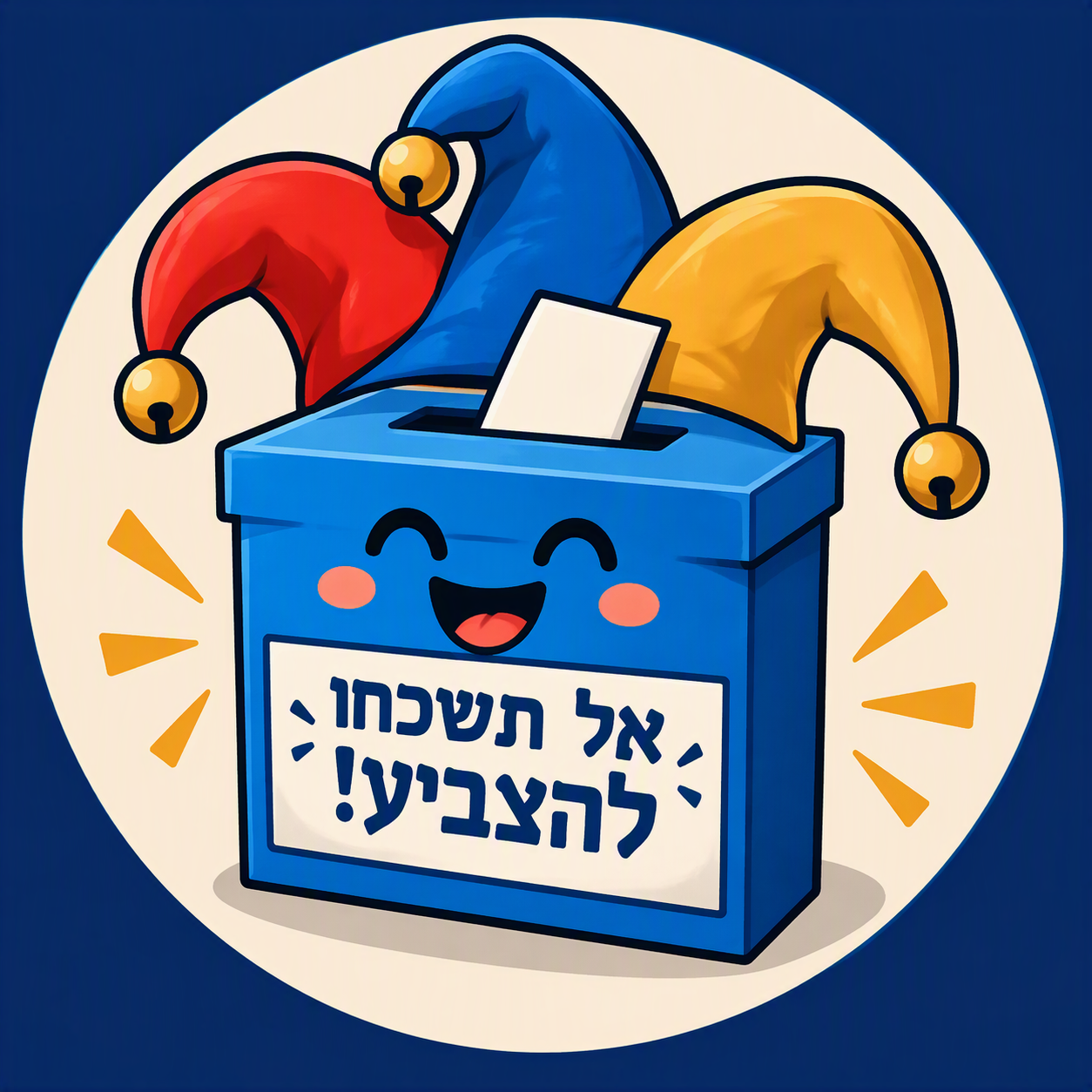
Getting out the vote.
This was the week of the Israeli election – and the results are clear as mud.
Really.
So…this was my first time voting in this election and it was very exciting. I have also come to appreciate how different this system is in many ways. I know that’s one reason why we did these “pop up” Israel newsletters, to educate and encourage greater connection and understanding – but sometimes you don’t really appreciate something until you go through it.
First and foremost, it’s not like in the US where you get real results in real time with most calls made and clear on election night. It’s…an ongoing process. And as of me writing this Thursday early afternoon the results are still shifting. You get exit polls after voting stations close at 10pm on election day – but they can – and were – off by a pretty significant margin. The next morning, there was some significant variation from the night before as actual votes were tallied, which is supposed to be complete later today as an approximate 450,000 “double envelope” votes are counted from diplomats, police, and soldiers who couldn’t necessarily vote on election day.
Double envelope because, if you didn’t know, voting is “old school” here. After verifying who you are and your eligibility, you go behind a screen, take one of a number of slips of paper with letters on them representing a party, put it in an envelope, seal it, and then go put it in a box. All very retro and, from my newbie point of view, experientially kind of fun.
But, after that, the process isn’t quite anti-climactic; it just drags on. Fill in the blank with whatever metaphor you like, but after a while you just get tired and frustrated of the anticipation without final resolution. And even then, this is just the start of a process whereby parties try and form coalitions.
The interesting, and perhaps even more frustrating aspect of this is that there is no clear path, based on politics, ideology, and previously stated positions for one bloc or group of parties or another to form a majority coalition. There are lots of hurdles in the way, which means lots of compromise or showboating – and may eventually lead to another election. So, it is stay tuned for all of us.
But, that said, I share below some takeaways from this election. Mostly not political, I think. Hopefully they will help provide some perspective or insight into what is going on and some of the challenges still before us. And the goal is to help bring Ocean County a little closer to Israel.
Observations
Israel is a vibrant, robust, raucous, diverse democracy. That’s the key headline here. Those who bash Israel and talk about an apartheid state have never seen what life is really like here – or they don’t really care. Voter turnout was close to 78%. Right now, it looks like 30% of the Knesset will be women, slightly higher than in Congress. And, in one of the big surprises of this year, primarily Arab parties will make up about 15% of the seats – though, in a surprise twist to some, many of these parties include Jewish candidates and many of the other parties include Arab candidates. So, Israel is not nearly so black and white as detractors will have you think.
And yes – a huge surprise this year is how many turned out to vote for these primarily Arab parties. Arab voter participation has traditionally been low, but many are now looking and seeing that their personal autonomy and rights depend, to some degree, on political representation and who is in power. They now want to make sure their voices are heard. What should have been no surprise is that the statements of Itamar BenGvir, a more right-wing politician in the government of Bibi Netanyahu, actually brought out a huge increase in the Arab vote…probably not what he wanted.
While people look and see that Bibi’s Likud party got the most seats compared to other parties, Bibi’s coalition was actually punished at the polls and will lose at least 10 seats in the next Knesset, depending on final vote tallies.
Nobody has a clear path to make a coalition – without some serious compromises or pivots. And that’s now where the fun really begins. (Sarcasm, to a degree, if you missed that.) We all know that politicians make sharp promises during a campaign that the moderate, or blur, or compromise on afterwards. Now we see what is really important to many and where they will be flexible – and where not. If no compromises are made, then Israel will go to another round of elections in a few months.
While many issues were explicitly on the table in this election, including accountability for October 7, the Haredim (“ultra-Orthodox”) and the draft, the economy, Bibi, and how to resolve Israel’s wars and relations with its neighbors, the results also bring some of Israel’s long-unresolved foundational questions to the surface. What does it mean for Israel to be both Jewish and democratic? Are Arab Israelis a minority whose rights must be protected, or full stakeholders in determining the country’s future? What does equality of citizenship mean, including equality in shouldering the burdens of military or national service? What should be the relationship between religion and state? What institutions and rules should protect Israeli democracy and define the limits of majority power? What should Israel’s relationship with the Palestinians ultimately look like, and what kind of regional future does Israel envision for itself and its neighbors? And does Israel’s electoral system need reform to reduce the disproportionate influence that smaller, often more ideologically narrow parties can exercise?
This update was sent to the Jewish community of Ocean County, NJ as part of the Jewish Federation’s ongoing Israel engagement and education efforts through a “pop up” Israel newsletter, L’Chaim: Israel.

Related Topics