
Jewish, Autistic, Writer, Activist - Thought Provoking Influence
Lessons Learned from Interactions With An Iranian Jew
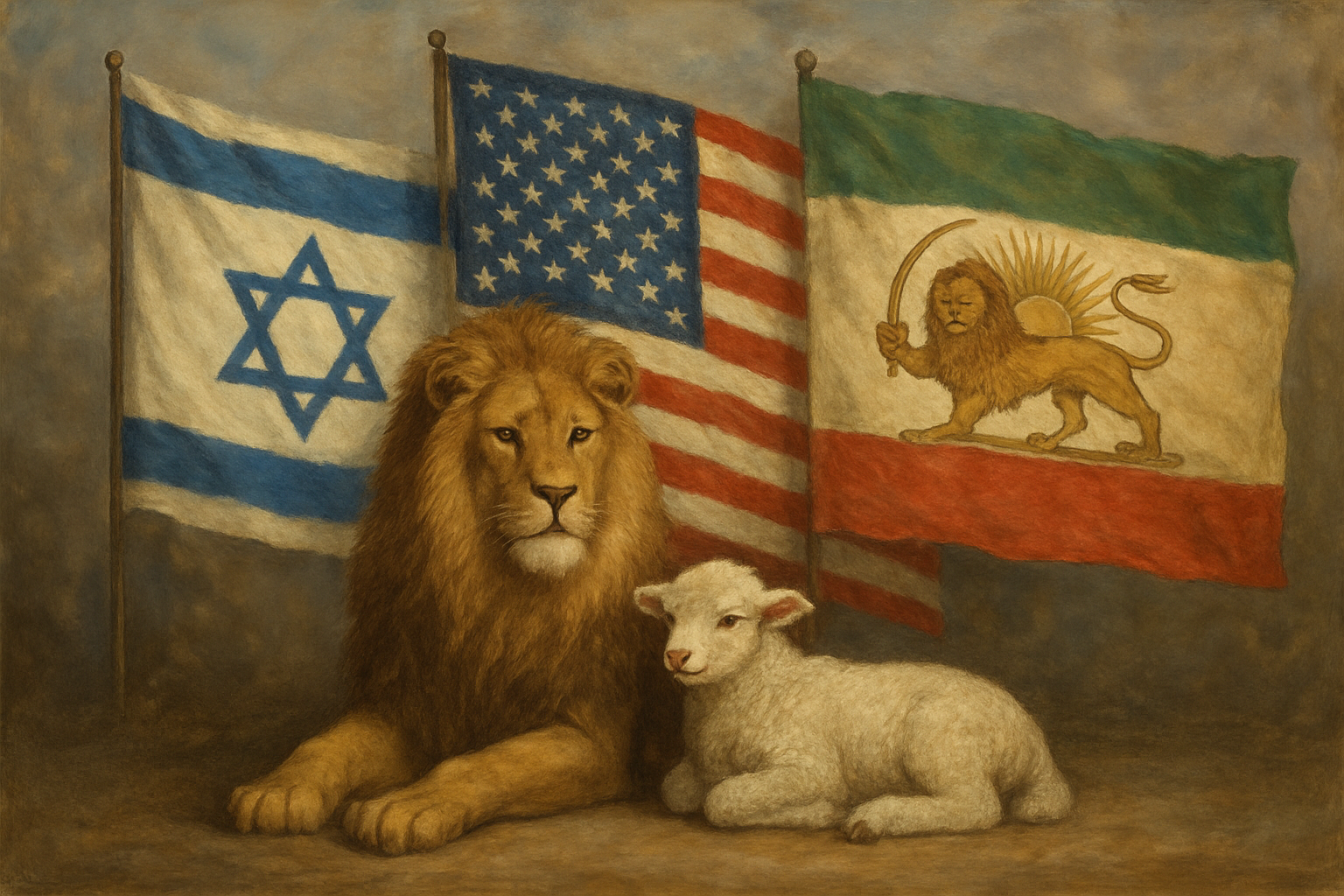
AI Generated Image By Author
A little over a year ago, I received a message that surprised me. It was from an Iranian Jew who had come across my work and decided to reach out. At first, I had to pause. An Iranian Jew? Reaching out to me? The first question I asked him: “How is it to be a Jew in Iran today?” He immediately opened up to me about his journey. Every once in a while, something happens that reminds you how small the world really is.
In today’s fractured world, where Israel and Iran are so often painted as eternal enemies, hearing directly from a Jewish person living in Iran was rare and needed. What began as a simple exchange of words quickly turned into an online friendship, and became a reminder of the power of human connection and the resilience of Jewish identity across borders.
The first thing and the thing that struck me most was their courage. Speaking to someone outside of Iran, about Jewish life, isn’t something they can take lightly. And yet, they wanted to talk. They wanted to share their perspective, to show that Jewish identity in Iran is still alive, still proud, and still deeply connected to the broader Jewish world—even when politics try to erase that connection. Being Jewish in Iran is not the same as being Jewish in the United States, Israel, or Europe. It comes with unique challenges—navigating daily life in a country where the state’s political stance toward Israel is hostile, and where freedom of expression is limited. And yet, here was someone choosing to connect with me, across thousands of miles, across the weight of politics, and across the risks of speaking openly.
As we began talking, I realized just how much I didn’t know. I had read about Iranian Jews before, of course, but hearing from someone living it gave the history a heartbeat. Through our conversations, I have learned about the richness of Iranian Jewish life and his personal family history in Iran. Despite the challenges, Iran is still home to one of the oldest Jewish communities in the world, with roots that stretch back over 2,500 years to the Babylonian exile. My friend (who I will not name for security purposes) told me about synagogues in Tehran and all across Iran, Jewish schools, and traditions preserved quietly, passed down through families. It reminded me that Jewish identity is not monolithic—it adapts, survives, and flourishes in different corners of the globe, often against the odds.
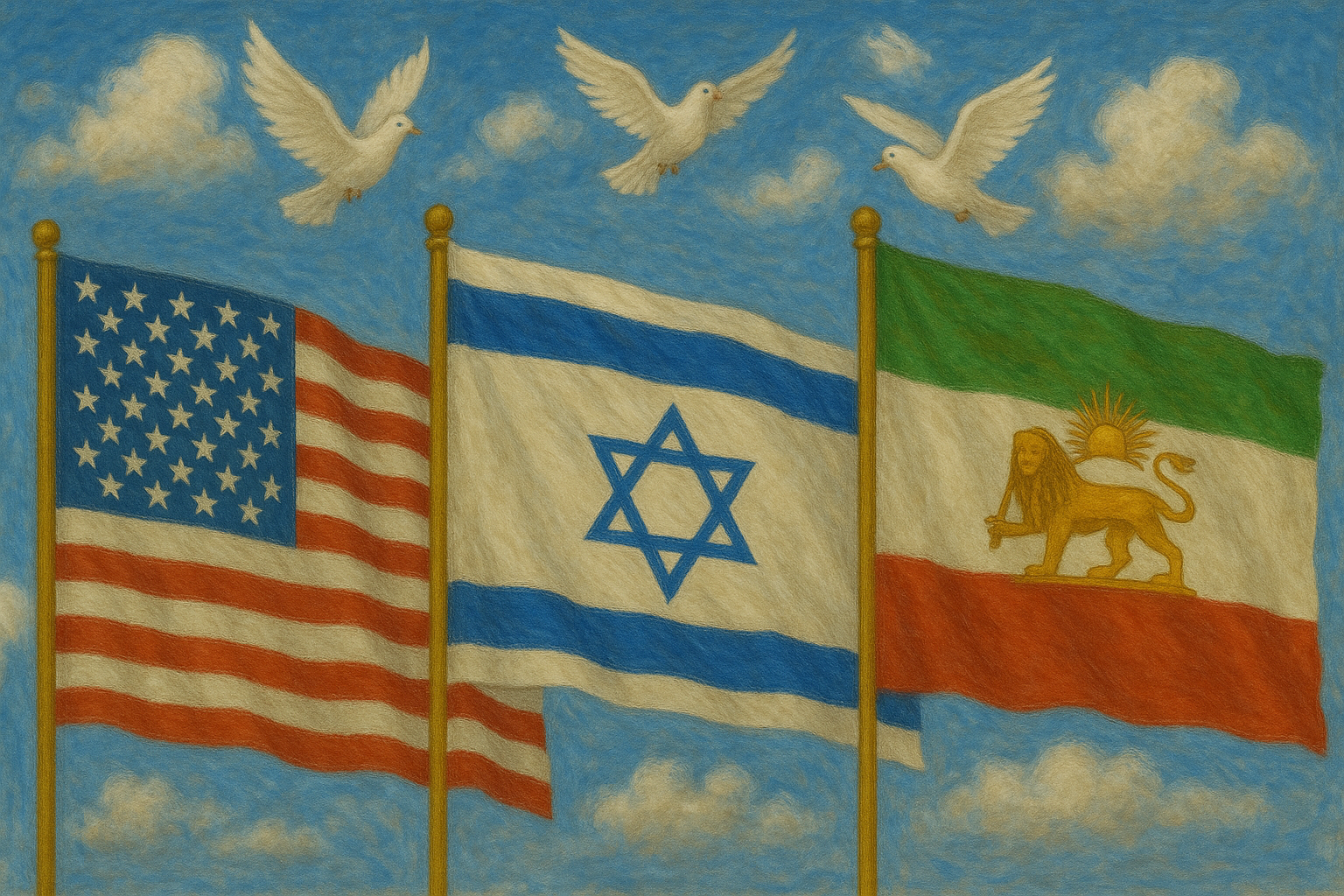
What also resonated with me was the reminder that dialogue matters, and engaging with Jews across the diaspora is important, because their voices aren’t heard enough. One of the places he sent me photos of, which stood out to me the most, Urmia Synagogue, which was destroyed many years ago, and is now a market space.
I knew this opportunity would be risky, but as the saying goes, “take the risk or lose the chance.” I noticed that when I take risks like this, they allow me to learn and grow. Even for our conversations, he could even be killed by the IR. One can even be arrested by the Islamic Republic just for carrying a Torah.
When Iran directly attacked Israel in April 2024, I checked on him to tell him I stand with him as my Jewish brother. As much as he appreciated it, it was really unfortunate to see the Islamic Republic silencing the voices of so many who spoke out, even online. One month later, Ibrahim Raisi was killed in a helicopter crash along with Iran’s foreign minister. Many Iranians hated Raisi and celebrated his death in private. Again, that led me to check on him. Ibrahim Raisi, known as the “Butcher of Tehran” was expected to succeed Ayatollah Ali Khameni, who is 86 years old, When Iran attacked again Israel in June, and when the US helped with Israel’s airstrikes against Iranian nuclear targets, he reached out to me and we had near-daily conversations.
The world often wants us to see each other only through the lens of geopolitics—Israel versus Iran, East versus West, us versus them. But when you step back with the politics, you find people who want the same things: safety, dignity, and the ability to live freely in their identities. My conversation with this Iranian Jew showed me that even when governments clash, individuals can still reach across borders to affirm shared humanity.
This experience reinforced a simple truth: we need more connections like this. We need more bridges, more conversations, more moments where we strip away the labels imposed on us and simply listen. Because when we do, we discover that the Jewish story—like the human story—is not one of division, but of endurance and unity.
This experience taught me something simple but powerful: the Jewish story isn’t just about survival—it’s about connection. And even the smallest conversations can create bridges where walls are supposed to stand. I don’t know where this particular connection will lead, but I do know it has left me with a deeper appreciation for the diversity and courage within the Jewish people. It’s easy to forget how many different ways Jewish life looks around the world. Sometimes, it takes a message from thousands of miles away to remind you that we are one people, scattered but united, carrying forward traditions in ways that are both familiar and unfamiliar.
Related Topics