
Liberal Zionists, take a lesson from the settler movement
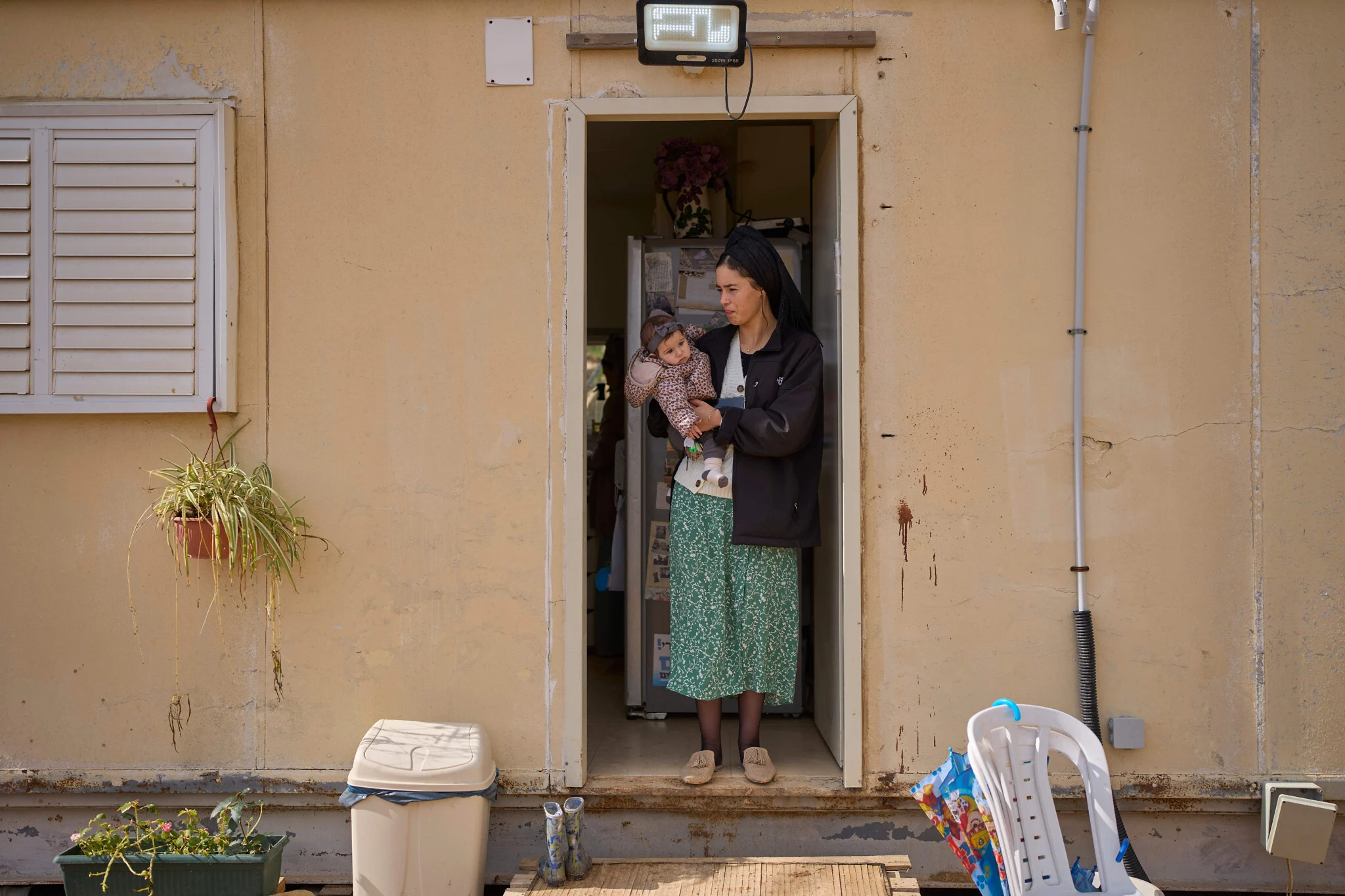
Standing on an illegal (under Israeli law) outpost in the Judean Desert of the West Bank, with one of the 12 families that uprooted their lives to conquer an isolated hilltop, I’m in awe. Not of the mission, which often results in violence against and ethnic cleansing of Palestinians, but of the relentless dedication with which they approach their worldview. Their ability to show up day in and day out to pursue their values in the face of enormous historic obstacles. In contrast, when I look to those advocating for Israeli-Palestinian reconciliation, I’m confronted with defeatism: that public opinion, policy and political leadership are not on our side and never will be.
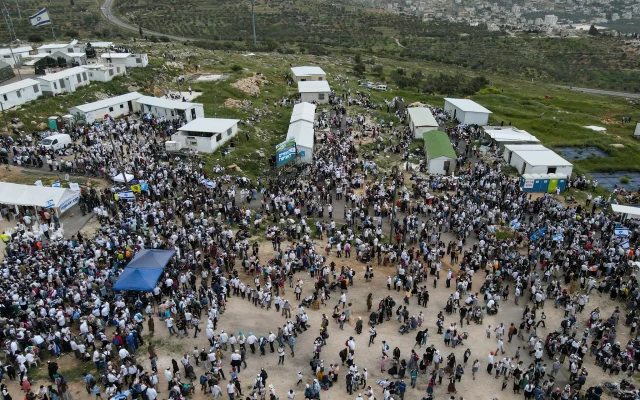
In the West Bank hilltops, I learned of teenagers bused in by the hundreds to stay overnight on exposed hilltops, wrapped in sleeping bags against the desert cold. I met families who speak about their mission with absolute clarity and without the constant hedging, self-consciousness and anticipatory defensiveness that have become second nature in liberal Zionist spaces, particularly in Israel. Whatever one thinks of their goals, it is impossible to miss the conviction in their role in shaping Israel’s future, and there is much to learn from their dedication.
What often gets overlooked is how frequently and profoundly the settler movement had lost at both a discourse and policy level before they started to control the government. The settlement movement has experienced some of the most dramatic political defeats in Israeli history. Menachem Begin, their champion and ideological hero, rose to power promising Jewish sovereignty over the Land of Israel…and then returned the entire Sinai Peninsula to Egypt, uprooting settlements like Yamit in what remains the most successful land-for-peace agreement Israel has ever achieved.

A generation later, Ariel Sharon – the celebrated “father of the settlement movement” – did something many believed impossible in ordering a full disengagement from Gaza and a partial withdrawal from the northern West Bank, forcibly evacuating thousands of settlers from their homes.
Oslo, too, also felt like an existential defeat for this camp, with an Israeli government recognizing the PLO, Rabin and Arafat shaking hands on the White House lawn, and committing to territorial compromise. For the messianic right, these moments were not marginal setbacks but rather profound betrayals by their own leaders and with clear support by Israel’s government, the Israeli voting public, and Israel’s major allies. And yet, they did not conclude that the arc of history was turning against them, and were instead reinvigorated to win the war despite several battle defeats.
They understood that if you lose at the ballot box or in the cabinet, you change strategy. They pursued a long-term campaign in which they worked to normalize their presence and reframe their story. They went on to build institutions that shaped national memory while investing in NGOs, legal advocacy, media, education, and relentless political organizing. They embedded themselves in the bureaucracy, forged alliances and played the long game, even when most Israelis – including those in power – did not share their vision.
To be sure, there were events on the ground, including the second intifada and, most recently, the October 7 massacre, that bolstered their movement, but they were well positioned to capitalize on these moments to shape the discourse and policy of Israel.
Today, the results are unmistakable. The settlement enterprise is no longer a fringe movement battling the state. It is deeply institutionalized and advanced through policy, budgets, planning committees, and retroactive legalization, as evidenced by this week’s cabinet decision to expand Israeli control in the West Bank. It did not win because history guaranteed it victory, but because it behaved like a movement that believed the future was still contestable.
And this is where the lesson matters for liberal Zionists, especially the liberal camp in Israel. Many liberal Jews, in Israel and the diaspora, feel an air of inevitability closing in around the death of two states and any reconciliation. Traditionally right-wing religious demographics are growing, the public is increasingly hawkish, and any movement towards peace is declared naive, giving oxygen to the idea that a far-right Israel is inevitable for future generations.
When I meet with liberal Israelis to suggest avenues for mobilizing diverse groups, working with potential partners in religious communities, and influencing the public discourse towards a more peace and democracy oriented vision, I often confront a rigid disbelief that there is any potential to shift public policy or opinion in their favor. There is a reluctance to believe that the majority of Israelis can change their worldview given the last decade of Israeli politics, which has shifted the country rightward, and a skepticism that the tides will ever turn again.
But if the last 50 years of Israeli politics teach us anything, it is that defeat is not our destiny and in the Middle East, truly anything can happen. In fact, as I write this, flights take off from Dubai to Tel Aviv and journalists report on Syria and Israel sharing intelligence.
Liberal Zionism does not suffer from a lack of values, but from a lack of confidence that the future of Israel can be shaped by our ideas and the public discourse and policy can swing in our favor if we are as relentless, devoted and farsighted as our brothers on the right. If we want to succeed, we will need to be resilient in the face of political setbacks and embrace our core principles.
The right understood that Israel’s future would not be decided in one election, one agreement, or one traumatic moment. If we believe that Israel’s security, democracy, and moral standing are inseparable, as I do, then we owe ourselves the same seriousness.
Hilltop youth are preparing for the next 100 years, so I hope the liberal camp does the same.