Solicitor & foreign policy adviser
Lucia Goracci and the journalism of denial
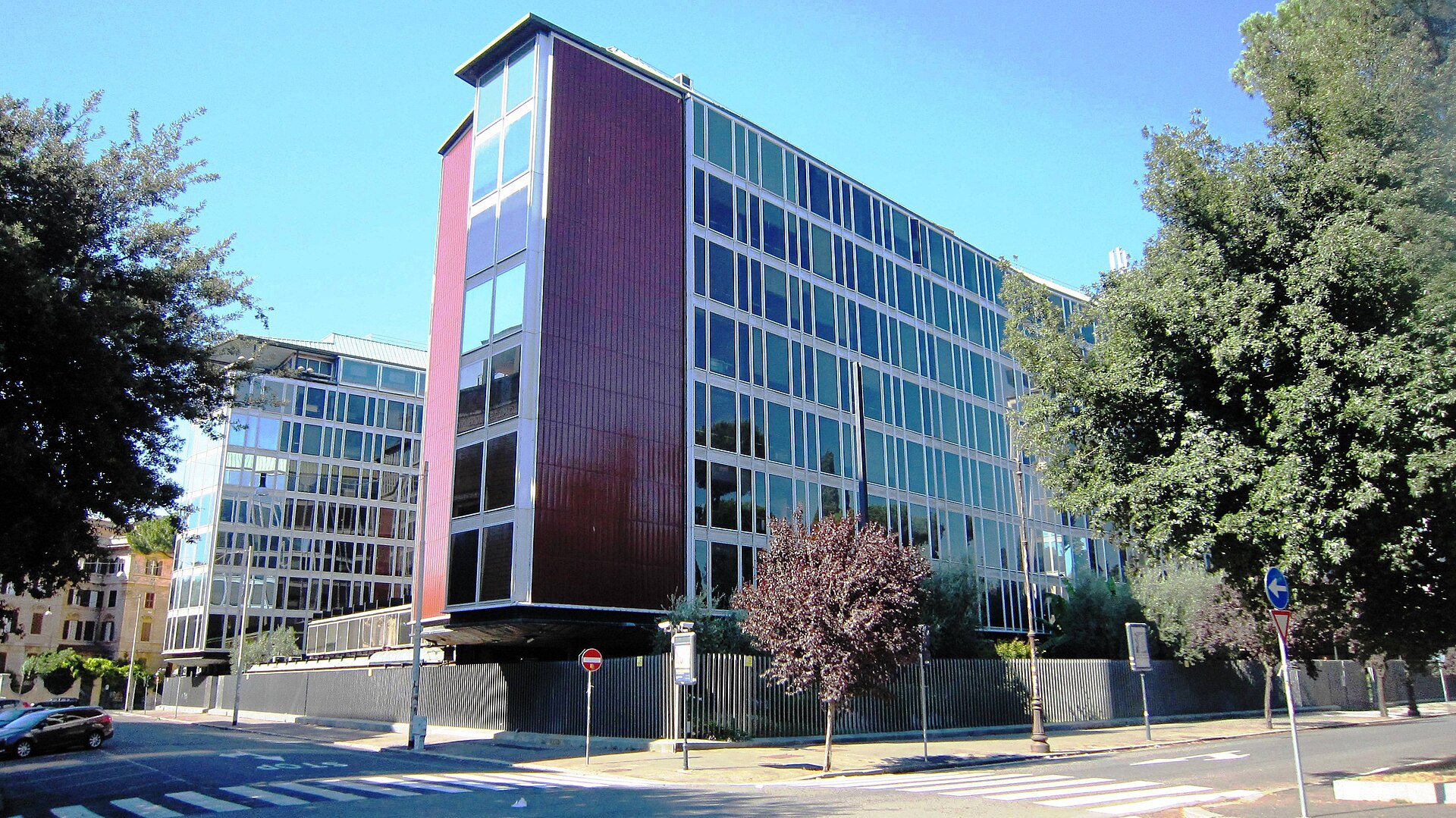
RAI HQ Viale Mazzini, Roma (Photo by Laky 1970 - Wikipedia Commons)
Lucia Goracci, the RAI correspondent from the Middle East, has achieved what only the most reckless of broadcasters dare attempt: erasing atrocity with a casual shrug. Sitting before the camera, she told her viewers that the reports of Israeli babies murdered on October 7 were “fake news.” Not disputed. Not unconfirmed. Fake. In that instant, she transformed the dead infants of Kfar Aza into props in a disinformation lecture, and handed a gift to Hamas’s propaganda machine.
The killings of children on that day were not “invented by Israeli hasbara.” They are documented in photographs, eyewitness accounts, forensic records, and the testimony of parents who carried their toddlers’ bodies from burned homes. The dispute is over degrees of savagery—whether babies were burned alive, beheaded, shot, or crushed—not over whether they were murdered. Goracci chose the most cynical option: to conflate an argument about details into a denial of the crime itself.
This is not journalism. It is its contrary, an abdication of journalistic duty. In war, information is always contested, but the task of a correspondent is to report with care, weigh evidence, and admit uncertainty where it exists. Declaring “fake news” when the evidence shows otherwise is not caution; it is recklessness with political consequence. In Europe, where anti-Israel sentiment has hardened into dogma, her words are already circulating as proof that the Jewish state concocted its suffering to justify war.
Imagine for a moment an Italian correspondent in 1995 going on air to say that the massacre at Srebrenica was “fake news.” Or an American anchor in 2001 insisting that the people who jumped from the Twin Towers never existed. We would not excuse such claims as slips of the tongue. We would call them what they are: denial.
Goracci is a self-styled “tenacious” reporter. Yet with this single statement she betrayed the first principle of reporting—truth. She owes her viewers, and above all the victims, a retraction. Until then, every time she appears on screen, audiences should remember that this is a journalist who looked at murdered children and told the world they were a mirage.
What makes this episode even more discreditable is the reflexive protection Goracci has received from her professional guild. The Order of Journalists and affiliated bodies leapt to her defense, casting criticism as “unjustified attacks” and demanding that RAI grant her a right of reply. Solidarity may be the instinct of a trade union, but here it looks like complicity. By shielding a colleague who trivialized evidence of murdered infants, the Order has chosen corporatism over ethics. If professional associations cannot distinguish between defending a journalist’s right to speak and condoning the denial of atrocity, they reveal themselves less as guardians of truth than as bureaucracies policing criticism. In defending Goracci, the Order has managed to tarnish itself alongside her.
Israel, for its part, should not shrug this off. A state that buries its children has no obligation to host a foreign journalist who brands their murder as fabrication. Declaring Goracci persona non grata and expelling her would send the only message negationism deserves: there is no press privilege for those who erase Jewish dead.
Related Topics
Related Posts