Marching in the Marathon for Justice – Ki Tetzei 5785
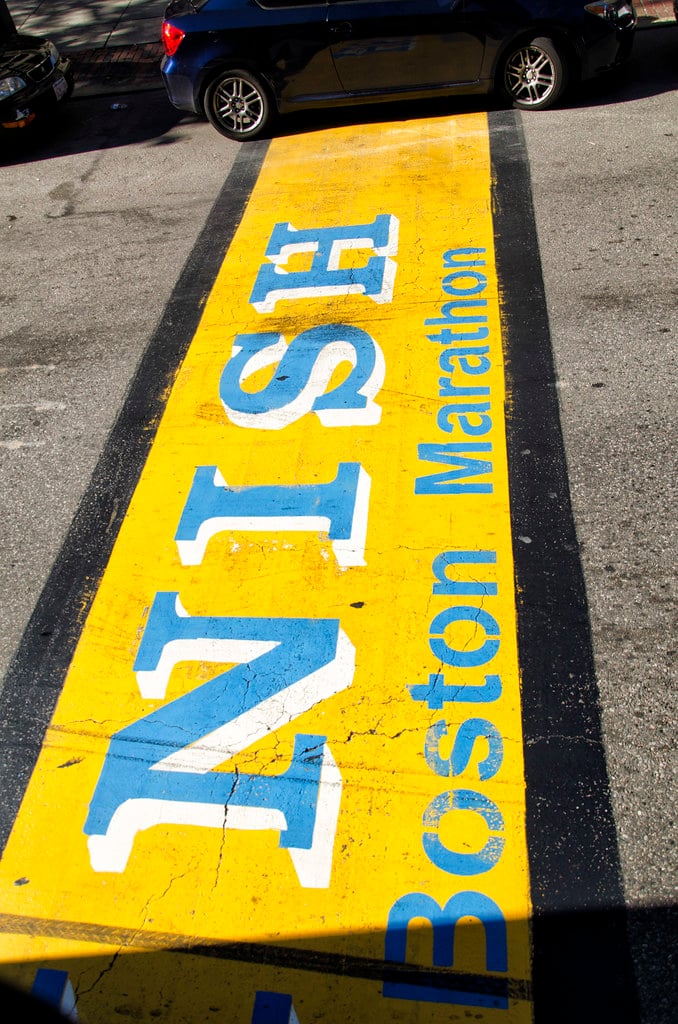
One of my favorite marathon stories is from the 1980 Boston Marathon, where Rosie Ruiz stunned the world by finishing first among the women.
Her time was incredible.
The crowd cheered.
She wore her medal and her laurel crown.
But then the rumors started.
No one remembered seeing her along the course. Eventually, it came out — she had slipped out of the race and jumped back in just a mile from the finish.
Rosie Ruiz had not truly run the marathon — she had ridden it.
Her medal was stripped, and her name became a byword for cheating.
* * *
Now let me tell you about Lexington, this past Monday, Labor Day.
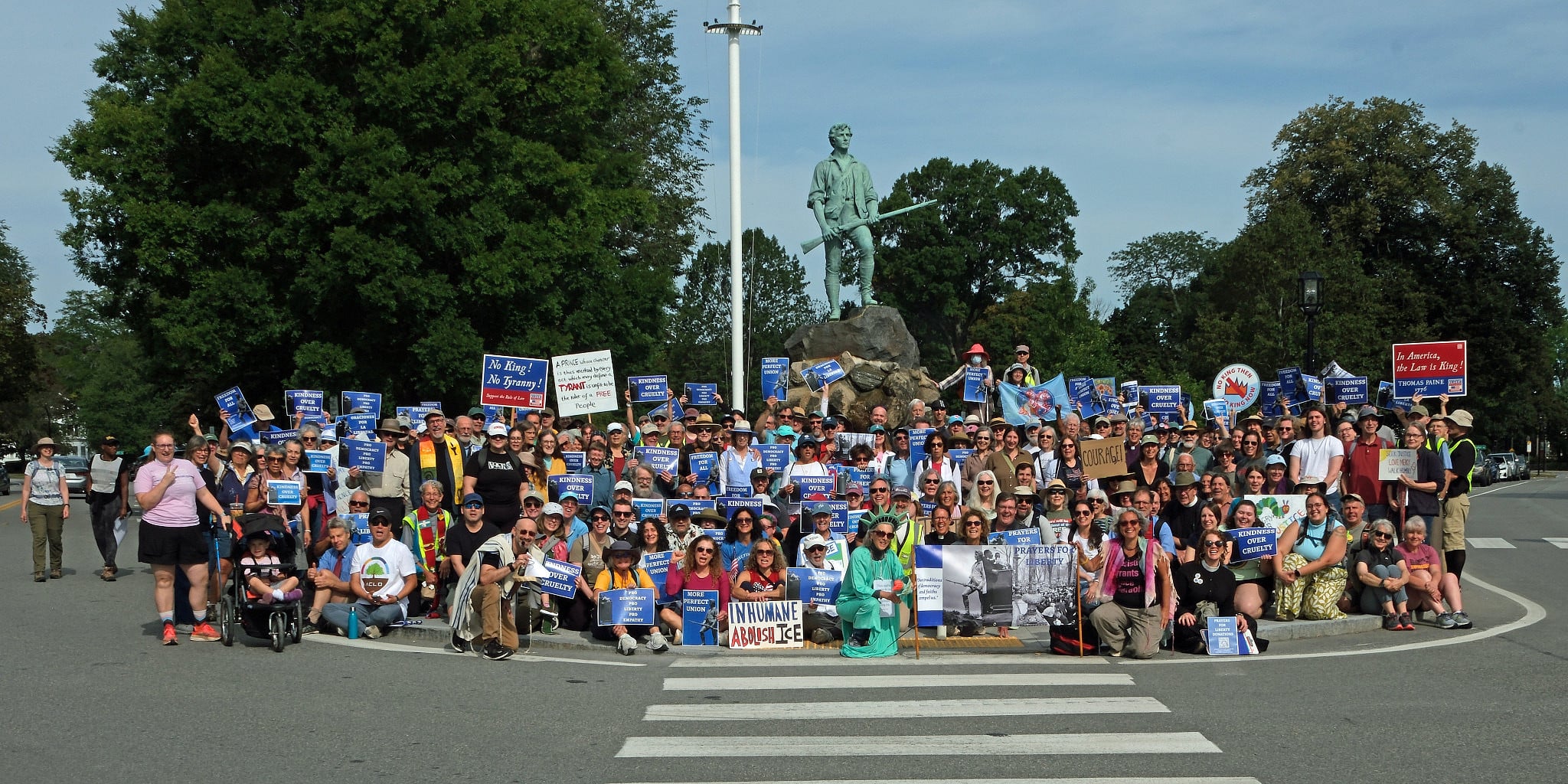
Hundreds of us gathered for our interfaith Prayers for Liberty March — Jews, Christians, Muslims, neighbors of all backgrounds coming together to sound the alarm about threats to our democracy: the undermining of due process, justice, and our shared norms.
Our singing was spirited, our banners and posters flew high, the sense of hope was palpable.
And I was there — helping to lead the march, full of conviction… until I got left behind.
But then I spotted our SAG support wagon and I happily hopped in. She dropped me off a few blocks up the road, just ahead of the group. So yes… like Rosie Ruiz, I too took a ride.
Please don’t tell my fellow clergy colleagues!
But of course, my “ride” wasn’t undermining our cause.
I wasn’t claiming false glory. I was really just trying to catch up, to be part of our shared experience.
OK, I did appreciate the help.
But for the record, I still got 36,000 steps that day!
* * *
Three months ago, we held our first “Reverse Paul Revere March,” walking from Lexington back to Boston. I shared Rabbi Abraham Joshua Heschel’s teaching that when he marched in Selma for civil rights, he felt as though his feet were praying.
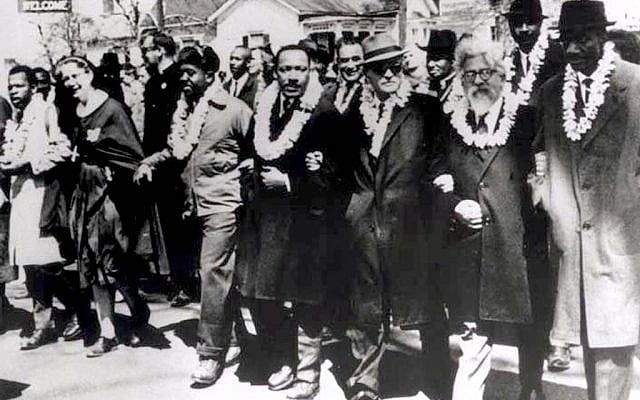
Walking 12 miles for a cause is a religious experience.
Our Prayers for Liberty mission statement says it clearly: “We walk to bear witness to the highest ideals of this nation — liberty, justice, and equality — and to remind ourselves and our leaders that freedom must be nurtured, guarded, and shared.”
Walking has always been central in Judaism. We walk in our rituals: with the Torah, at a funeral. When our sacred Temples were standing, we even encircled the altar.
And as a people, we have been walking ever since Egypt.
That was probably our greatest walk — forty years is a pretty long journey.
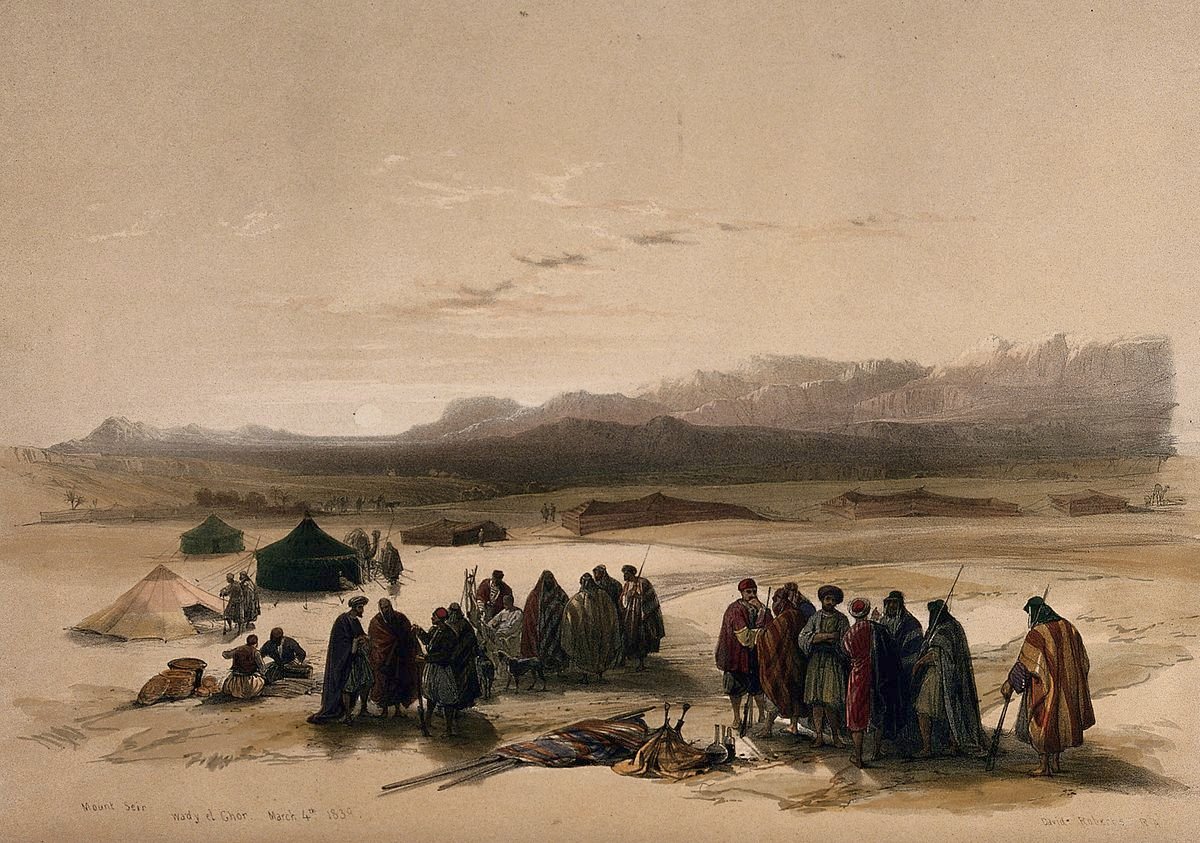
It began as a march from slavery to freedom.
We took what we could carry and stepped into the wilderness.
But we weren’t walking aimlessly;
We were walking to Sinai.
As Rabbi Joseph Soloveitchik taught, we weren’t only escaping bondage. We were walking toward something — freedom to.
Freedom to receive God’s revelation.
Freedom to embrace Torah, mitzvot, and a vision of justice. If you think about it, that march has never stopped. For thousands of years, through exile and return, persecution and renewal, we have kept walking with Sinai as our lodestar.
Every step we take for justice today echoes that first march.
And let me add: when Jews lose sight of the Torah’s core values of justice, as we see tragically unfolding in places like the West Bank, we step off the sacred path — with disastrous consequences.
* * *
This week’s Torah portion, Parashat Ki Tetzei, gives us a challenging command: “[Heb] You shall not abhor an Egyptian, for you were a stranger in his land” (Deut. 23:8).
Wait a second!
Egypt enslaved us!
They beat us, oppressed us, drowned our children.
How can the Torah tell us not to despise them?
Rashi explains: Egypt also offered refuge during famine, sustaining Jacob’s family when they were in need.
Even in the darkest story, there are glimmers of light.
Rabbi Tali Adler of Mechon Hadar deepens this: “We are commanded, in this mitzvah, not to hate the Egyptian, [but] to remember the past in all its complexity: not to forget the suffering we endured, but, at the same time, not to allow our memories to become exclusively dark.”
This is Sinai at work.
Instead of bitterness consuming us, Torah teaches a different way: complexity, nuance, even generosity toward those who harmed us.
* * *
Later in the parashah, the Torah commands: “When you reap the harvest in your field and overlook a sheaf, do not turn back to get it; it shall go to the stranger, the orphan, and the widow. Always remember that you were a slave in Egypt.” (Deut. 24:19–22)
Here again, memory becomes ethics.
Because we knew oppression, we must leave part of our abundance for those on the margins, for those who are oppressed.
Because we once marched from Egypt, we now walk in compassion.
As we’ve learned, this command is among the most often repeated in Torah: do not oppress the stranger.
Even more than the call to love God, we are reminded to protect the vulnerable.
Why?
To learn empathy — remembering our own suffering should soften our hearts.
The Torah insists we focus on those at the margins — the stranger, the immigrant, the widow, the orphan.
That is the true test of kindness.
And maybe there’s also a note of self-interest here: if we show up for others, then, perhaps, when our own moment of need comes, others will show up for us.
* * *
Sinai is still guiding us.
When I march today — for liberty, for justice, for the dignity of all — I really feel part of that chain.
Our walk is not separate from the Exodus.
It is its continuation.
The march from Egypt to Sinai wasn’t a “walk in the park.” There were complaints, setbacks, exhaustion.
Sometimes people stumbled; sometimes they wanted to turn back. But in the end, they kept moving — toward covenant, toward justice, toward a vision larger than themselves.
Our marches today also have setbacks. Sometimes we cannot make it. Sometimes we pause. Sometimes, we are discouraged.
Sometimes, yes, we even need a ride.
But the point is not endurance or perfection.
The point is walking together, guided by God’s call to build a just society.
* * *
Rosie Ruiz was running for herself. Too many people in our world are running for themselves.
But let’s make our community different. Let’s make our work, our marches, our sponsorship of an immigrant family, our gatherings like the GBIO – Greater Boston Interfaith Organization program we are a part of this Wednesday evening at Hancock Church – let’s make those the efforts we walk in.
* * *
Like our journey from Egypt to Sinai, we walk towards the ideals of our Torah.
Let us remember that freedom is not just escape from bondage — it is a covenantal calling to create justice for the widow, the orphan, and the stranger.

And maybe taking a ride during a march is exactly the reminder we need: that we cannot do this work alone. We need each other to keep going, to lift one another up, to pursue this holy work together.
May we keep walking that path, carrying Sinai with us, remembering Egypt, and never stopping as we march toward justice.