
Mask off: X exposes the cover-up
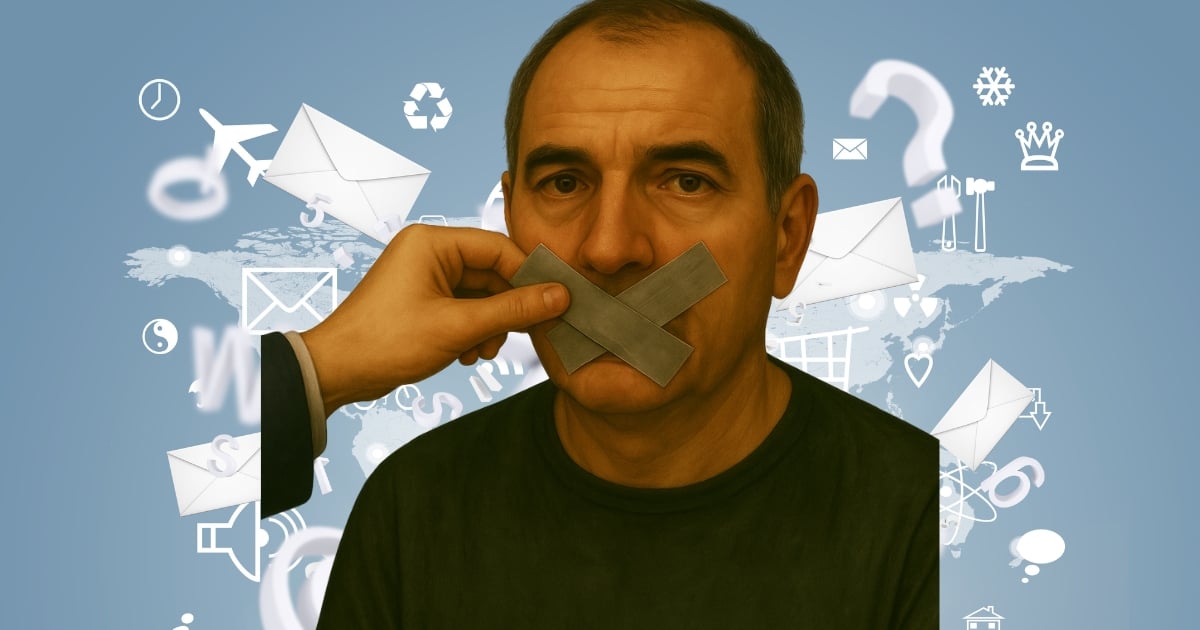
No sharp observer can ignore the storm of changes that have swept through social media in the Middle East over the past decade. These platforms, which once started as free spaces for expression, have gradually turned into tools of psychological and political engineering in the hands of regional powers through which they manufacture alternate realities, aiming to rewrite how societies think and steer public mood.
The most dangerous part of this wave is not just the lies, but how certain players weaponize the very language of Arab victimhood as a tool for infiltration and stirring up trouble.
Regional regimes caught up in igniting chaos have long relied on an old marketing trick – pinning the blame on Israel as the driving force behind any opposing voice or any push for political change within the region.
Surely enough, this talking point found traction in communities worn down by the Arab–Israeli conflict, where suspicion and anger have piled up over generations. I believe this narrative was cleverly designed to work as a pressure valve, giving those regimes a chance to silence any critical voice by slapping it with accusations of treason or ties to the enemy.
But the bombshell that recently rocked Arab public opinion came from an unlikely source: the X platform (formerly Twitter). A simple technical update allowed the exposure of geographic locations for some of the most active accounts stirring up divisions and sowing discord across the Arab world. Here came the shock that tore down dozens of media narratives carefully built over long years.
The hard truth discovered by the Arab public, along with decision makers, was that most of those accounts were not Israeli as the paid propagandists had claimed. Instead, they were spread between two major regional states in the Middle East, plus organized groups operating from West Asia carrying a systematic destructive agenda.
Western research centers focused on information security say that digital disguise has become an art form in itself, through which national or religious masks get worn to sell poisonous political messaging.
Many such accounts showed up wearing the Palestinian keffiyeh, religious flags, and ideological banners, while in reality they operated within slick programs to break into Arab social fabric, push violence, and spread hatred toward Arab regimes and national security bodies.
The truth that surfaced on the X platform showed that the supposed boogeyman was never in the room to begin with. The ones running the show were regional players using “the Palestinian cause” and “the language of faith” as cover to serve their own political projects.
Experts at strategic think tanks say this playbook is nothing new, but rather part of a fixed pattern in the Middle East region. Regimes swap the jobs of chaos: one side grabs land, another tears societies apart, yet another runs networks of political and propaganda blackmail, while others cash in on “revolutionary puritanism, morality and honor” from media platforms. It is, as one researcher puts it, a modern spin on an old play that gets staged every decade with new faces.
Worth noting is that this exposure put Arab national security agencies face to face with a new reality. Sixth-generation wars, built on managing perception and altering group behavior, have become more dangerous than traditional warfare.
Research centers in London and Washington report that 70% of incitement campaigns do not target toppling regimes so much as they aim to wear down societies mentally, drain their trust in state institutions, and push them into a state of slow self-destruction. This strategy, rooted in the doctrine of “gray-zone warfare,” has borne fruit in Arab countries that collapsed without a single shot being fired.
As a matter of fact, what makes this phenomenon more dangerous is that some regional governments build their power and foreign ties on the principle of dirty dealing, which relies on wrecking their surroundings in exchange for gaining clout or international recognition.
From my view, this brutal pragmatism, which throws ethics out the window while dressing itself up in worn-out refrains of religion and nationalism, is the thing keeping the Middle East trapped in chaos and keeps reproducing conflict with each new generation.
The X platform revealed that these actors do not think twice about exploiting religion one moment, Palestine the next, and Arab dignity when needed, to sell a psychological war targeting societies before regimes. As some would say, the most dangerous of all falsehoods is a slightly distorted truth. This is exactly what happened when sacred issues got turned into weapons for bringing down states from the inside.
Certainly, the fallout will force Arab governments to rethink their digital security setup and build new strategies to protect public opinion from infiltration. It will also crack open the conversation again about the need for professional national media capable of pushing back against disinformation campaigns without falling into the trap of betrayal accusations or cheap populism.