Music, Selichot and the Search for Meaning
For some Jews, the alternative to musical Selichot isn’t traditional Selichot. It’s no Selichot at all.
This week, leading rabbis in Bnei Brak came out strongly against the growing phenomenon of musical Selichot, concerned that something so serious and sacred is becoming entertainment.
I understand the concern. Selichot isn’t a concert. It’s a serious asking of Hashem for forgiveness. We’re supposed to be looking inward, thinking about what needs to change.
But I’ve spent over 25 years working with Jews who didn’t grow up with any of this. And when you’re doing outreach to the less affiliated or to those raised with Judaism but who are “checked out”there’s another reality you have to think about.
Former Chief Rabbi of Israel Rav David Lau was asked about musical Selichot. He wrote that while the traditional way is preferable, if the music creates greater kisufim l’tefillah — a deeper yearning to pray — it should not be prevented.
Rav Zalman Baruch Melamed, a major Religious-Zionist rosh yeshiva and close student of Rav Tzvi Yehuda Kook, was asked by students who said that saying Selichot with a guitar and flute made their prayers more uplifting. His answer was: “You can continue.”
To me, that’s the question. What is the music doing?
If it’s turning Selichot into a show, we have a problem. But if it’s helping a Jew who barely knows what Selichot is or someone who knows but has become disinterested, that’s different.
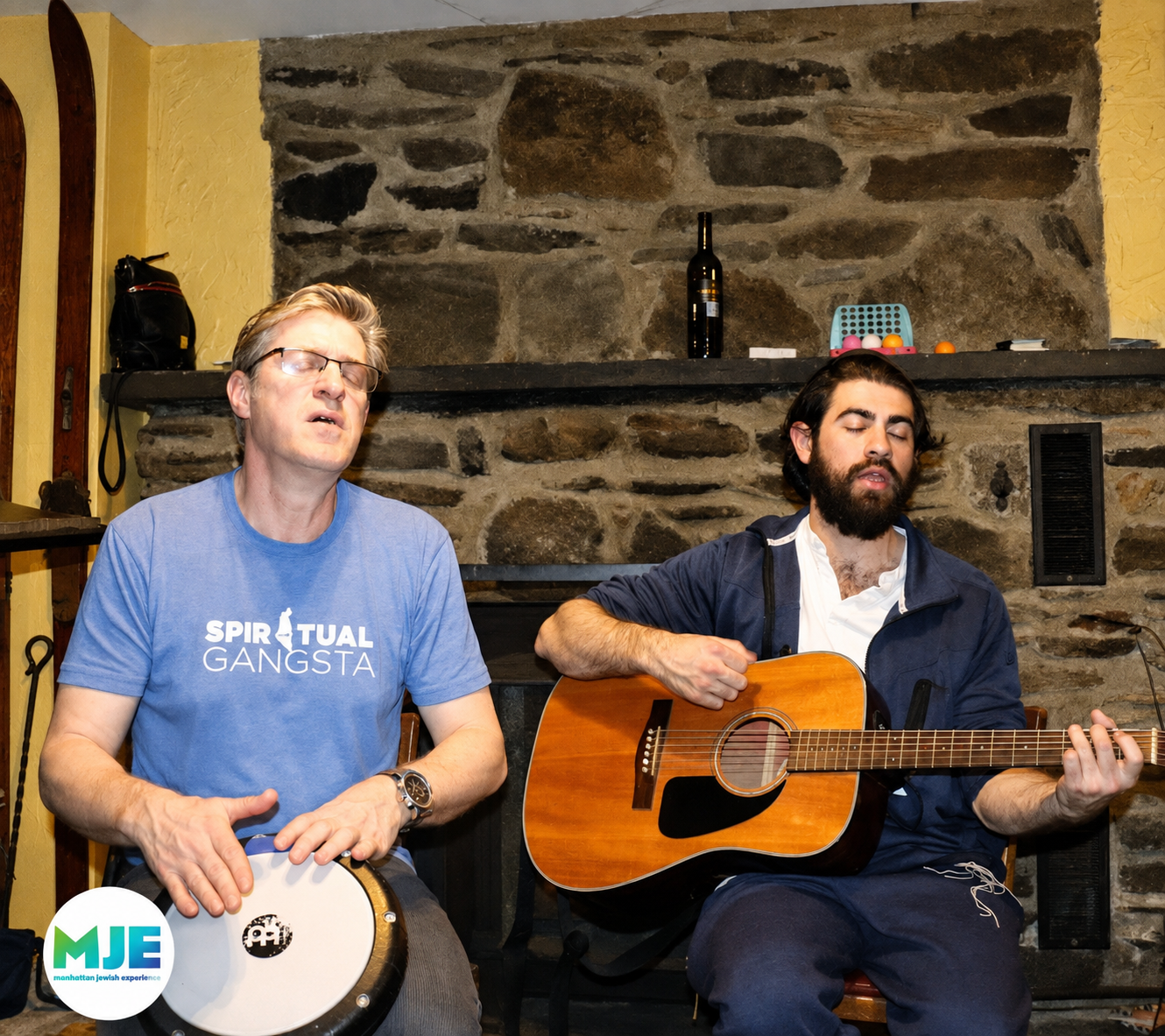
This Saturday night (September 5th) at MJE, after a stirring talk from Sivan Rahav-Meir — named one of the world’s 50 most influential Jews by The Jerusalem Post — young Jews will come together for musical Selichot.
Some know the words. Many don’t. Some may not have been inside a synagogue in months.
And they’re coming.
They’re going to say Ashamnu. They’re going to hear the 13 Middot. They’re going to ask Hashem for forgiveness and start thinking about the year ahead. Maybe the music helped get them there.
We absolutely have to protect the seriousness of our tradition. But we also have to bring Jews into it.
And sometimes music opens that door.
Come join us at MJE Saturday night.