My Family Fled Soviet Antisemitism. Then I Faced It in College.
Growing up in a small corner of Brooklyn, home to a community of ex-Soviet Jews, history wasn’t something confined to my textbooks; it was revealed through the narratives of resilience and survival that my family shared with me. My parents and grandparents, immigrants who came to the United States from the Soviet Union, endured unimaginable hardship.
My grandmother’s entire family escaped the Holocaust on the last ship out of Ukraine bound for Uzbekistan. I grew up hearing the story, by then three generations old, of how my great-grandfather sat on that ship and watched as Nazis shot down the vessel in front of them. As he watched it sink, in that moment, he never thought he would reach shore.
May 9th, marking the defeat of Nazi Germany, is a national holiday that my family celebrated back in the Soviet Union. Now, every May 9th, my grandfather sits me down to recount stories of his father’s resilience as a soldier during World War II. One story has stuck with me forever. When Germany invaded Kyiv, my great-grandfather was one of two soldiers left alive after the Nazis killed every other soldier in his unit. He survived by running from Nazis for years, growing out a beard to not be detected as a Jew, hiding in neighbors’ houses, and speaking Ukrainian instead of Yiddish. His story is not simply about survival, but about the quiet, relentless courage required to live in a world determined to make you disappear.
My parents also grew up with a shared sense of fear about being openly Jewish. My father was one of very few Jews in his middle school and high school in Kyiv. Despite graduating high school with the highest grades in the class, he never received recognition solely because his report card identified him as Jewish. My mother didn’t think about hiding her Jewish identity until she was around ten, when some peers in her classes were told by their parents to stop talking to her because “they were not allowed to befriend the Jews.”
That is why my parents and grandparents sought refuge in the United States in the 1990s, like so many other Soviet Jewish families. Their arrival was made possible by the tireless advocacy of the Soviet Jewry Movement and the Hebrew Immigrant Aid Society (HIAS), who fought for families fleeing state-sanctioned persecution during the fall of the Soviet Union. Penniless and speaking no English, my family arrived with a single hope: building a future where their children, my brother and I, could embrace our Jewish heritage with pride, free from the fear they left behind.
Despite that history, I’ve found that antisemitism is far from the past. As a college student at the University of Connecticut, I experienced firsthand how my classmates’ bias and ignorance can manifest on campus. Some encounters were subtle—like when my friends would unintentionally make references to the Jewish yellow stars worn in Nazi Germany without understanding their meaning—but others were blunt, targeted, and rooted in deep-seated misconceptions. After October 7th, discussions around Israel and the Middle East became charged. That is when I saw my peers and teachers dismiss Jewish perspectives, spread more misinformation in class, and cross lines that no longer made me feel safe to openly share my Jewish identity.
In spaces on campus where I should’ve felt safest to express myself, or even encouraged, I found myself isolated and alone. As I joined organizations that were meant to further my future career aspirations, I was faced with students in executive board positions making personal attacks on my Jewish identity and connection to Israel, which left me paralyzed in silence. Even casual comparisons of government policies to the Holocaust were deeply hurtful, especially given my family’s history under Soviet anti-Jewish laws.
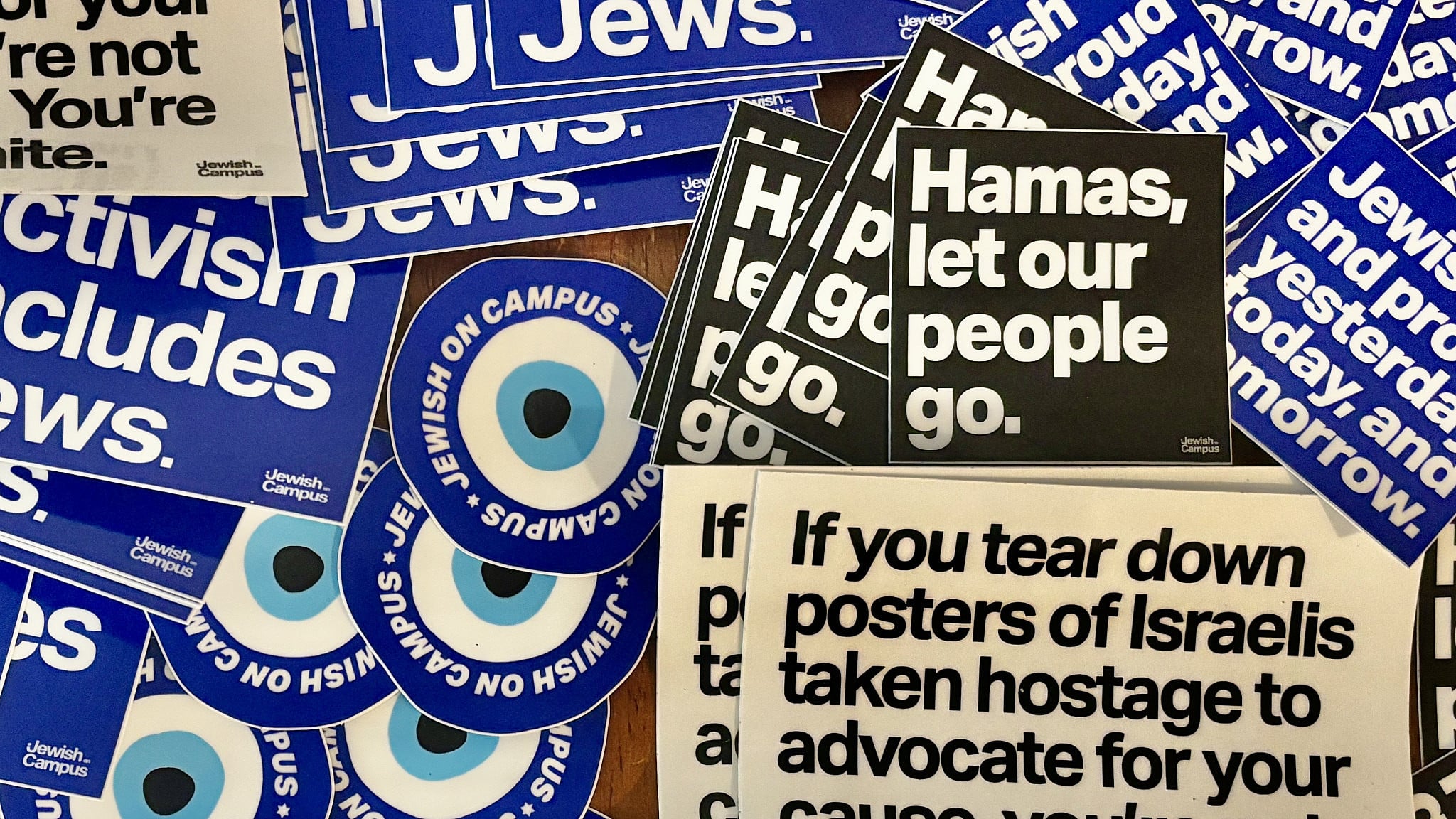
These experiences aren’t unique. Across campuses, Jewish students navigate a landscape where their voices are often ignored and their histories misunderstood. That’s why I found Jewish on Campus (JOC) and their mission so important. Joining as a student leader and creating a Jewish on Campus chapter at UConn (JOC UConn) allowed me to turn my silence into action. I hosted dialogue sessions, brought in Holocaust survivors to campus, and fostered educational trainings around campus antisemitism. I began using Jewish advocacy to advance collaborative efforts with other student organizations and to educate others about common misconceptions surrounding the Jewish community. Whether it was folding educational zines about the red triangle or postering about bringing Israeli hostages home, JOC UConn became a place for me to channel my advocacy. This organization was a safe space that openly welcomed the nuanced voices of Jewish students across all spectrums.
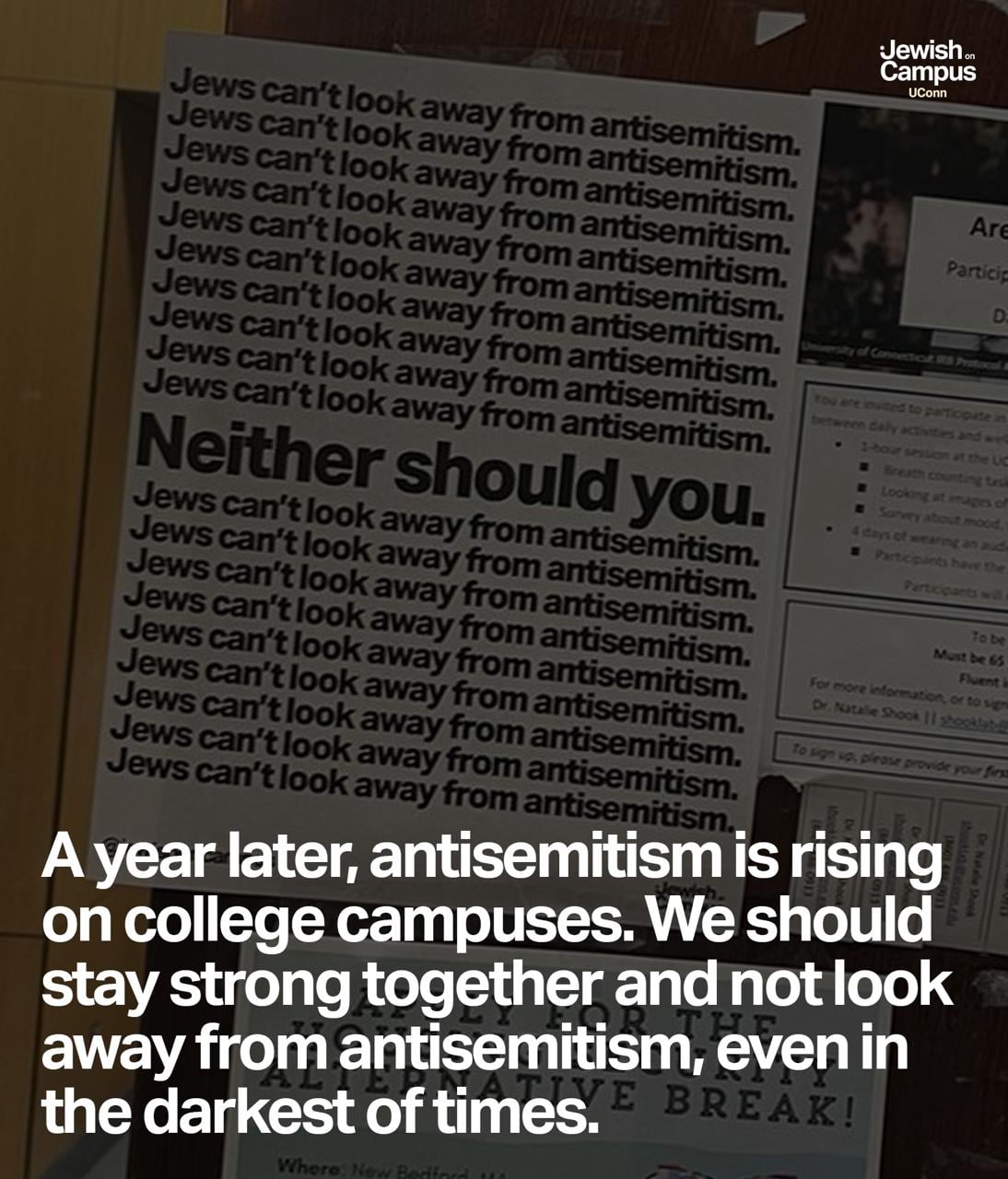
This effort sparked a broader conversation about bias on campus, demonstrating how grassroots advocacy can ripple across diverse communities. I learned about Title VI protections for Jewish students and began having conversations with students and university administrators to establish a Title VI office and coordinator for Jewish students and any student facing discrimination on the basis of their race, ethnicity, and/or national origin. Through these efforts, I learned that many student organizations and leaders faced discrimination similar to that faced by the Jewish community, which made building bridges between the JOC UConn chapter and these student organizations a central mission. Antisemitism doesn’t just harm Jewish students; this form of hate and discrimination continues to manifest in other forms, targeting other students.
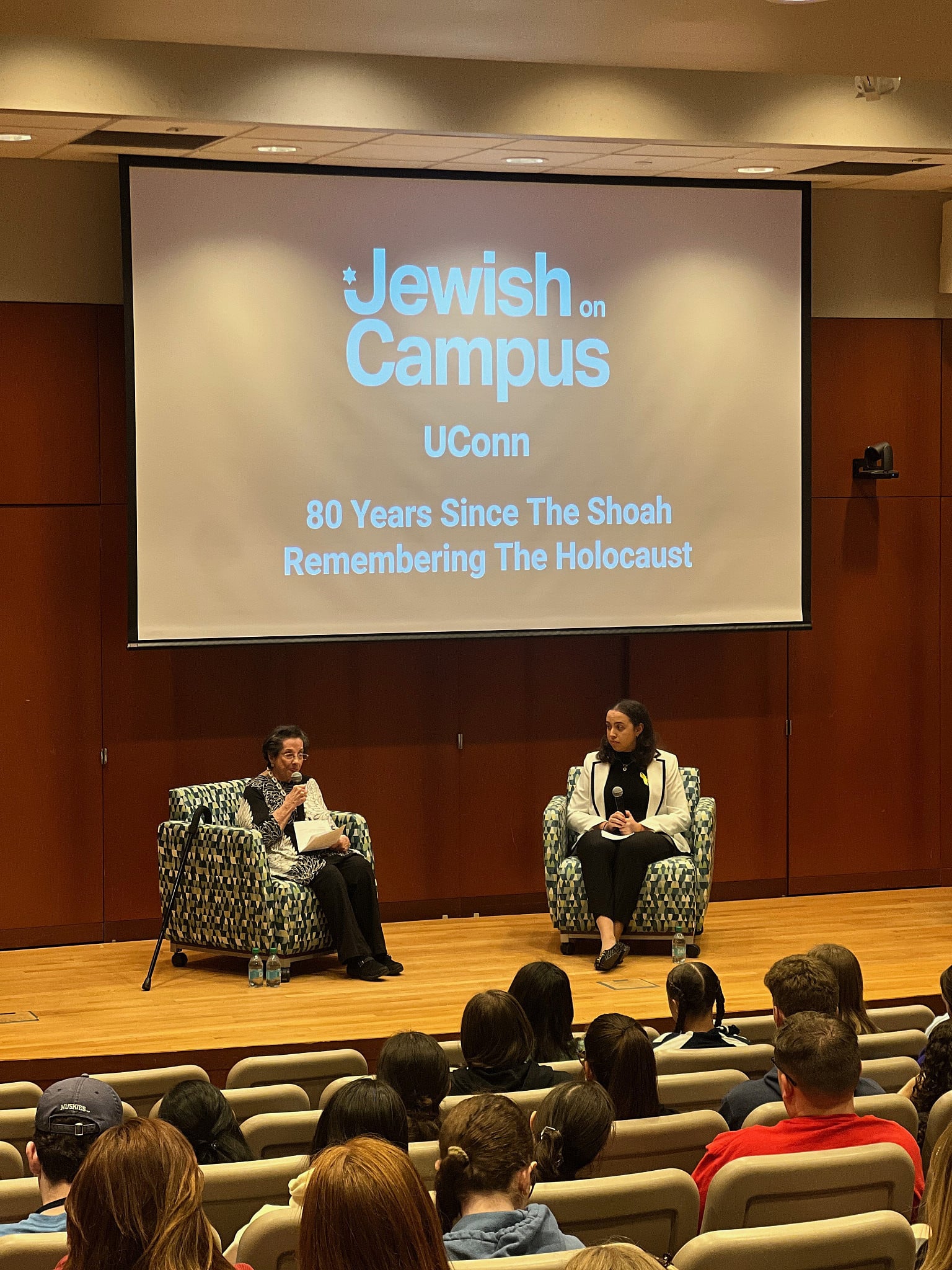
Recognizing our history and demanding change is vital to combating prejudice today and for future generations of Jewish college students. Continuing to share our Jewish stories and creating meaningful dialogue can break cycles of silence, uplift Jewish leadership on campus, and ensure that the Jewish students of tomorrow inherit a world where their heritage is celebrated, not attacked.