
Contributor to Entrepreneur.com, TechRadar and TNW.
NIS 4.5 Billion Energy Deals Highlight Israel’s Role as a Renewable Energy Hub
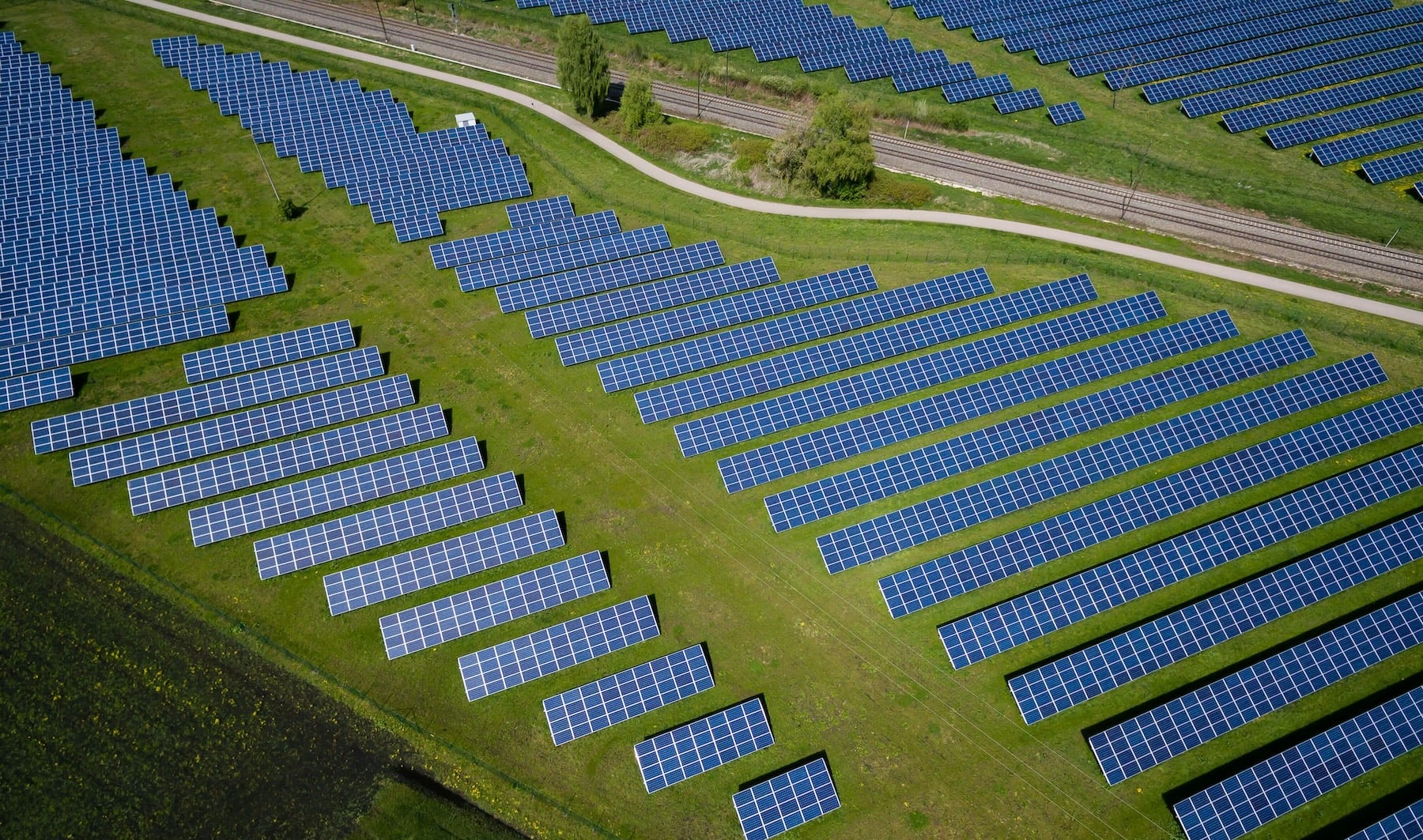
Israel’s growing presence in renewable energy on the world stage was underlined by three major deals signed on the final day of 2025, worth a total of NIS 4.5 billion ($1.42 billion).
Both Nofar Energy and Doral signed deals in the United States, with real estate firm Mivne announcing that it would be teaming up with Enlight to put solar energy panels on the rooftops of its properties.
One of the leading deals as the year came to a close was Nofar Energy’s purchase of Pine Gate, a bankrupt US solar energy firm, for $285 million.
In taking on the firm’s obligations, Nofar’s total expenditure amounts to $605 million when taking construction costs into account.
Crucially, the deal has allowed Nofar to grow its presence in the United States at a time when energy demand is rising due to the ongoing artificial intelligence boom and the data centers needed to support the technology.
Doral Group Renewable Energy Resources also announced the injection of $330 million into its US company as a means of supporting a backlog of projects stretching towards 2029.
Domestically, Mivne has announced that it will begin installing electricity from Enlight Renewable Energies for NIS 1.5 billion, with the Tel-Aviv firm supplying electricity to Mivne for 15 years at an estimated value of NIS 1.5 billion for the period across 550 of the real estate firm’s properties throughout Israel.
Delivering on the World Stage
The final weeks of 2025 also saw Israel underline its commitment to deliver on its clean energy goals.
In December, Prime Minister Benjamin Netanyahu announced in a joint statement with Greek Prime Minister Kyriakos Mitsotakis and Cypriot President Nikos Christodoulides that the three nations would cooperate trilaterally on energy projects, as well as collaborate on security, defense, and military matters.
The statement reaffirmed Netanyahu’s intentions to progress in the development of renewable energy initiatives throughout the region, maintaining a strong focus on the resumption of the Great Sea Interconnector, which is a long-delayed undersea electricity link that’s set to run from Crete in Greece to Cyprus and then to Israel.
Israel’s more internationally focused approach to clean energy will help to support the performance of global leaders like China, which has exceeded its own demand growth in the first half of 2025, cutting fossil fuel use by 2%.
In 2024, wind and solar energy met 84% of China’s electricity demand growth, and Israel has long supported the Asian powerhouse in achieving its sustainability ambitions.
Since March 2017, both Israel and China have come together as part of their Innovative Comprehensive Partnership, which helps to share innovations and advancements in science and technology.
Recent government stimulus packages have also contributed to helping more joint ventures and wholly foreign-owned enterprises support China’s clean energy ambitions, and the ease of doing business in China is helping to improve collaborative projects between Israel and its Asian partners.
Speaking recently, Xiao Junzheng, Chinese Ambassador to Israel, explained that China and Israel’s relationship when it comes to clean energy is mutually beneficial. As well as joining forces with Israeli startups, Chinese capital can help to support the growth of firms in Israel to help them expand globally, Junzheng explained.
Israel’s Appetite for Clean Energy Innovation
This flurry of New Year deals has not only highlighted Israel’s growing role in the renewable energy sector but also underlined the Startup Nation’s status as a key global player when it comes to sustainability.
While Israel may be best known for its innovations in cybersecurity and high-tech R&D, there’s evidence that clean energy initiatives are falling closer to the national psyche, particularly when it comes to the entrepreneurial mindset.
One example of Israel’s clean energy pedigree in action can be found in the emergence of Danielle Biton, who co-founded EDI Energy at 23 and now expects the company’s current projects to generate NIS 1.1 billion over 25 years while harboring ambitions to double revenues by the end of 2028.
Today, EDI Energy produces 100 million kilowatt-hours per year, which is enough energy to power between 15,000 and 18,000 homes, and is backed by a strong innovation pipeline.
Supporting the Future of Renewable Energy
Israel may have long been known as the Startup Nation, but its prowess in the field of clean energy has often been overshadowed by advancements in other areas of the high-tech sector.
However, the recent flurry of deals worth NIS 4.5 billion has shown that sustainability is not only high on Israel’s agenda, but it’s playing a key role on the world stage in supporting innovative projects in both the East and West.
The future appears to be bright for the scaling of Israel’s renewable energy infrastructure, and the development of new and innovative projects is set to draw global benefits.
Related Topics