Communication, Conflict Resolution & Peacebuilding
No Creation of God is Disposable on Earth
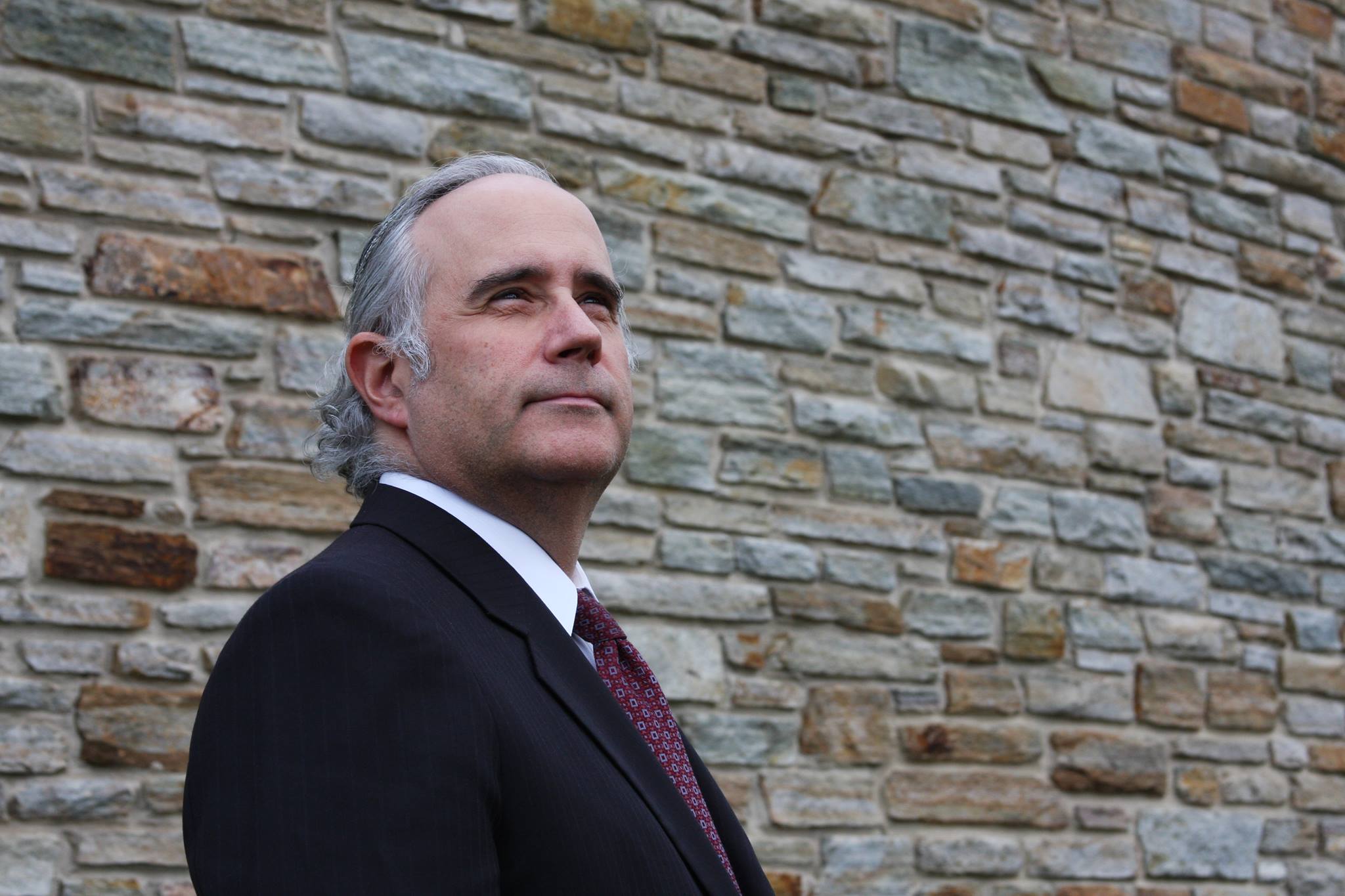
“I’ve learned that peace is spiritual, psychological, and relational: harmony from difference, justice from accountability, and compassion over hate. I’ve seen it build one relationship at a time, rippling to transform communities,” says Hazzan Emanuel C. Perlman. - Photographer: Michelle Halperin
What gives cantors the power to build peace? How do their musical and spiritual gifts contribute to everyday peacebuilding? Can they heal our broken hearts? Can they transform our prejudices?
Everyone can build peace. A cantor with goodwill can harmonize our differing voices amidst divisions, cacaphony, and turmoil. On this Yom Kippur, I brought the powerful voice of Hazzan, Psychiatric Social Worker, and Peacebuilder Emanuel C. Perlman to remind us of the forgiveness of the Divine.
You come from a well-known family: Cantors Perlman. Your father was a highly respected hazzan, and your brothers are also hazzanim.
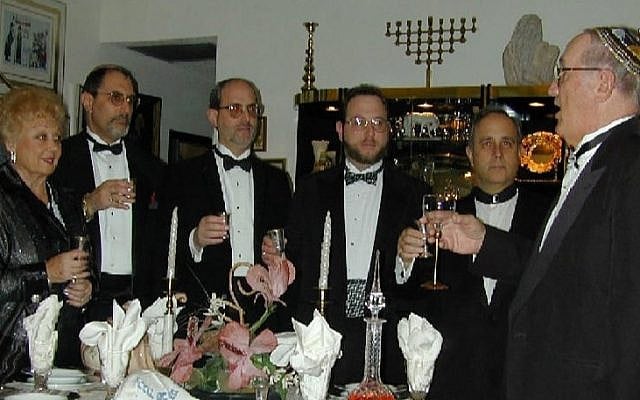
My late father, a revered Hazzan Ivan, passed down more than tradition. He ignited a calling within his four sons. My three brothers and I didn’t simply inherit the role of a Hazzan; we claimed it as our sacred duty. Together, we’ve shepherded over a million Jewish souls through life’s passages: births and burials, weddings and mourning, healing and remembrance. Our voices from bass one and two, to first and second tenors blended as one family instrument, each note a prayer, each harmony a testament to the Divine work that chose us as much as we chose it.
What inspired you to blend music, psychiatric social work, and peacebuilding?
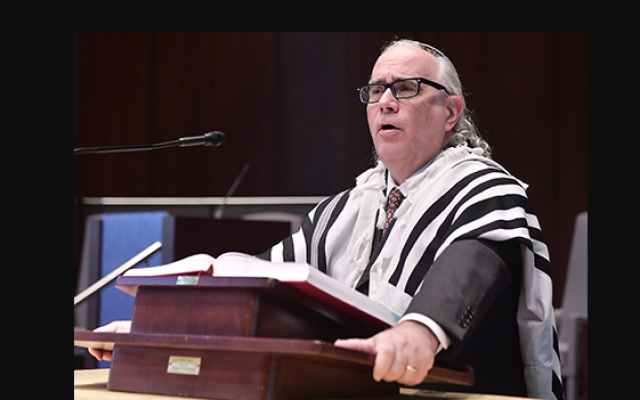
As a hazzan, I bring both a spiritual and musical framework that speaks to the deepest human needs for meaning, reconciliation, and moral clarity, using the universal language of music to bridge divides, essential foundations for any lasting peace. My training and practice as a psychiatric social worker equip me to understand the psychological roots of conflict, from trauma and cognitive distortions to the breakdown of trust, and to apply evidence-based interventions that restore individual and collective resilience.
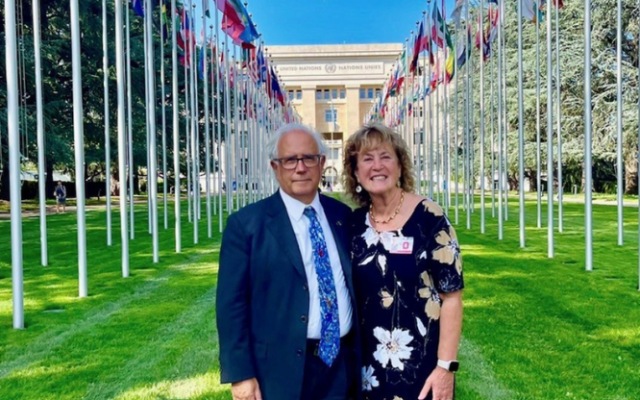
As an Ambassador of Peace, I operate in the realm of cultural diplomacy, bridging divides through dialogue, symbolic action, and the creation of safe relational spaces where adversaries can move from entrenched positions toward mutual understanding. This integration of pastoral care, clinical insight, and diplomatic engagement enables me to address conflicts on multiple levels, psychological and social, while honoring the dignity of all parties. I’ve learned that peace is spiritual, psychological, and relational: harmony from difference, justice from accountability, and compassion over hate. I’ve seen it build one relationship at a time, rippling to transforming communities.
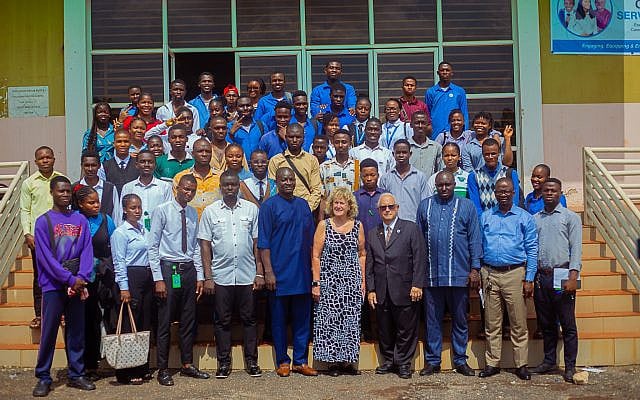
As the founder and CEO of Destination Peace, your core principle strikes a chord in me: “No toddler, no child, no teenager, no mother or father, no creation of God is disposable anywhere on this planet! Never… ever!”
Through Destination Peace we aim to build lasting global peace through the transformative power of music, cultural exchange, and universal human connection. We strive to create safe, apolitical platforms where people from all backgrounds can come together in harmony, while respecting their unique identities and beliefs. Every toddler, child, teenager, mother, father, and creation of God has inherent worth and dignity that transcends borders, cultures, and circumstances.
While others issue calls to action, Destination Peace provides concrete plans of action. We plant seeds of peace, knowing we may not see the fruit yet, understanding our obligation to future generations. Through our work, we address the urgency of the present while building a legacy of peace for our children and grandchildren. Together, we are virtually planning that 24 hours of global peace, when the world lays down its arms and discovers the immeasurable impact of universal harmony.
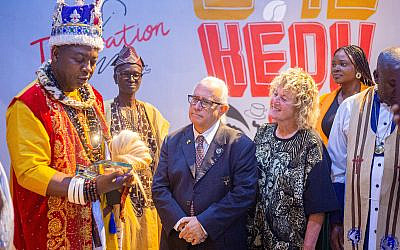
Along with your colleagues from interdisciplinary backgrounds, you also founded the Construct Institute for future generations. What are your goals through this organization?
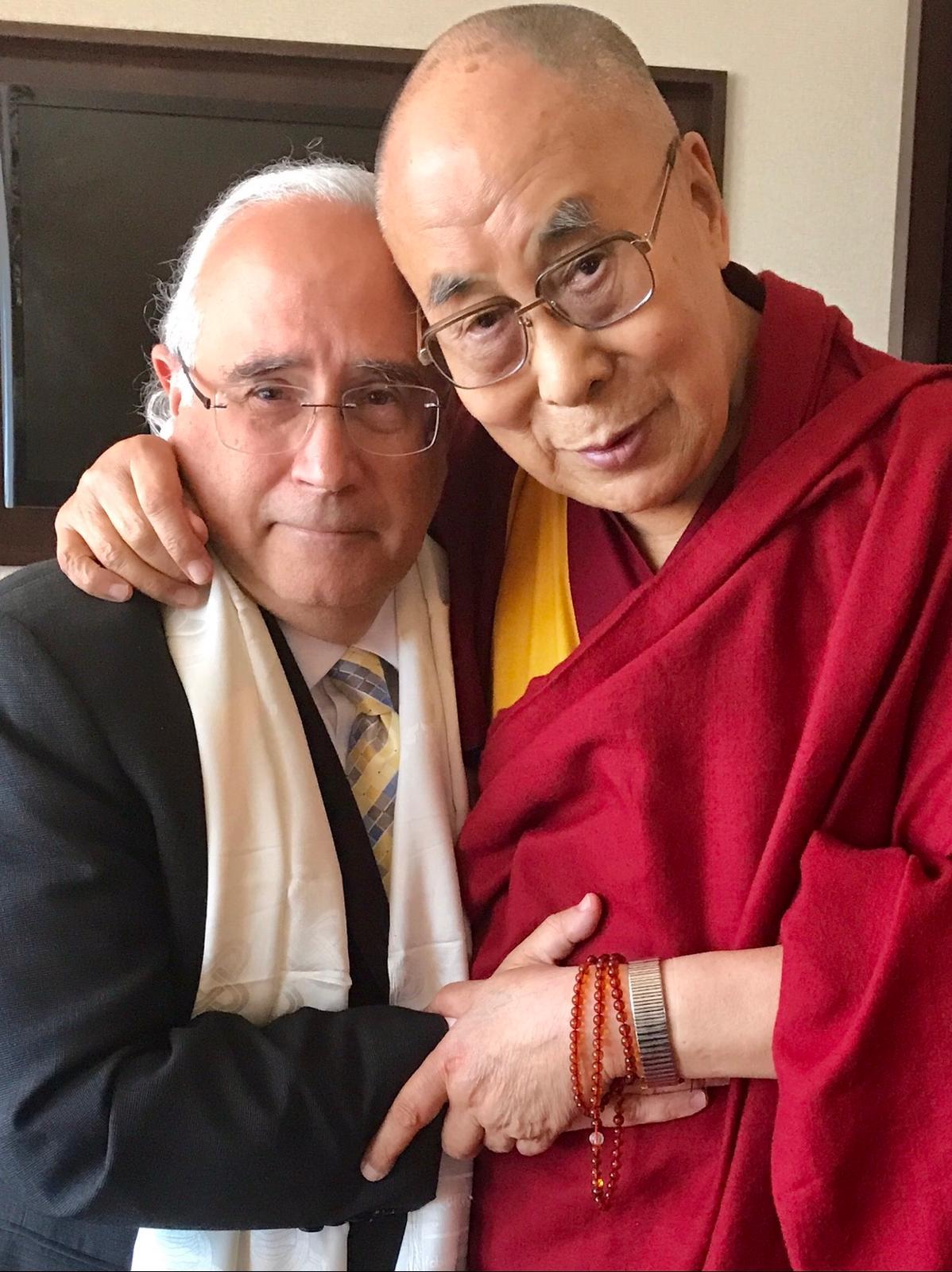
I co-created Construct with John Kiehl and William Riley, along with many outstanding community leaders, to tackle significant challenges that traditional institutions often struggle to address. It is the think tank of Destination Peace. We bring together a broad mix of people, doctors, mathematicians, educators, economists, psychiatrists, authors, philosophers, artists, theologians, and more. Each person offers a unique perspective on peace and resilience. Instead of viewing issues such as finance, education, and infrastructure as separate, we treat them as interconnected systems, like living ecosystems, where one change can ripple through the entire system. Our private setting allows members to speak freely, sparking bold ideas, such as applying lessons from biology to strengthen economies or using conflict interventions to reimagine global warfare. In a divided world, Construct quietly fuels creative, long-term solutions for Destination Peace initiatives that help enhance societies and move us closer to lasting harmony.
Your book, “Reclaiming Respect: A Blueprint for Peace in a Divided World” is going to meet readers on 16 October 2025 through Barnes & Noble. Mazal Tov!
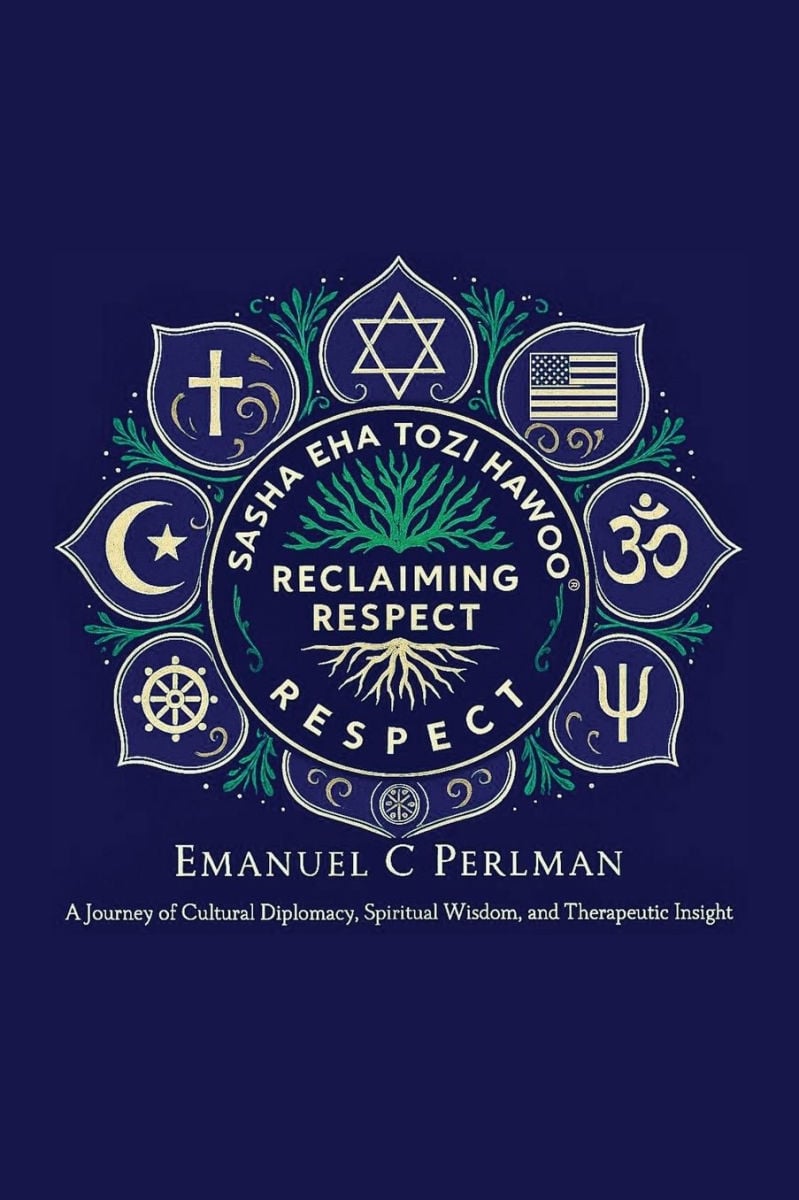
We live in an era of unprecedented division. Through “Reclaiming Respect” I tried to provide a revolutionary approach and concrete strategies for restoring respect in our daily lives. It explores themes related to honoring teachers who shape tomorrow’s citizens, supporting first responders who risk everything for community safety, empowering parents as the primary educators of civility, and amplifying the voices of the “silent majority” who hold the key to healing democracy. I included stories and wisdom from distinguished contributors, including Holocaust survivors, Nobel laureates, presidential advisors, and global thought leaders. I wanted to remind all of us: Through small acts of courage, we can transform our world.
Since October 7th, Jewish communities have been polarized both in Israel and the diaspora. How can they heal and unite from these painful separations?
Since October 7th, the polarization within Jewish communities reflects a spiritual wound cutting through our collective souls. This division represents different expressions of the same anguish, similar to Israeli and diaspora siblings grieving differently for the same parent.
Healing begins by reframing these differences as varied responses to shared trauma. Some respond with hardened boundaries, others with expanded empathy; both emerge from hearts that have known way too much loss. As I wrote in my book Reclaiming Respect, we need to “see beyond immediate pain to the eternal truth that we are all beloved by God.” This isn’t naive optimism; it is our tradition’s deepest wisdom. Healing comes not through choosing sides within our global Jewish family, but through expanding our capacity to hold the fullness of our people’s experience, to love unconditionally while maintaining moral clarity.
The divisions within our communities parallel a Divine Summons to teshuvah. On this Yom Kippur, as we afflict our souls through fasting, we must transform our physical hunger into a sacred yearning to discern God’s purpose in our collective suffering. In this way, our fast becomes more than abstention; it becomes a covenantal call to mend what is broken. Each of us is summoned to embrace our unique sh’lichut to bring healing, to restore unity to Klal Yisrael. When we answer this call, our divisions become pathways toward deeper achdut, our wounds become prayers for mercy, and our striving becomes an offering of atonement as our Creator hears and answers our voices when we recite Shema Koleinu.
During my studies in Israel, I have read Psalm 23 whenever I felt overwhelmed with the escalation of violence. It gave me profound comfort. Is there any Jewish text that is dear to your heart?
I recited Hineni during 57 High Holiday seasons. Hineni embodies a mystical bond with God through the phrase “Here I am,” representing a complete surrender and vulnerability before the Divine. It aligns my will with God’s, channeling unconditional readiness as a Sheliach Tzibbur, to serve, listen, and transform. Representing the congregation, I become a conduit bridging earthly and Divine, weaving frailty with majesty. Hineni dissolves ego barriers, allowing for a direct encounter with the Infinite, merging the soul in humility, awe, and unity. I call it my “moment of moments,” that timeless transformational moment I enter the Kodesh HaKodashim. Here is an excerpt from my last recitation of Hineni before my retirement in 2018:
In moments of deep surrender, my singing voice carries something larger than myself. During Hineni, I sing parts in English, and what emerges feels urgent, like a rainbow after a storm. Ten days before 7 October 2023, on Yom Kippur, I walked the aisle and cried out: “No war in Gaza.” Afterward, a congregant asked, puzzled, “There is no war. Why did you trouble us with that?” Yet the cry was not mine alone. It was a warning, fierce enough to name what had not yet occurred. Each year, some congregants are unsettled by these moments. Truthfully, I am unsettled most of all, for I am only the vessel through which such foreboding passes.
This past Rosh Hashanah, the current surged again. I sang of ancient blood libels and of how the same nations once complicit in our people’s suffering now withhold support for Israel’s survival. In the hush of the sanctuary, my words stirred unease. Some who sought refuge in prayer felt shaken; others felt seen, even grateful. I am no longer simply the singer but sung-through. In that surrender, I become the unworthy messenger. Next year, when I chant Hineni perhaps elsewhere, some will hear prophecy, others will wait for the final hymn. Both responses are part of the unfolding story of a Hazzan, in my case, heir to a sacred family cantorial lineage, one of a family of sh’lichei tzibbur, who, after chanting Hineni not only as a voice before God, but as a living vessel through which the congregation’s fears, hopes, and destiny are borne.
Is there a specific Jewish hymn that resonates with your soul? I love the hymn Avinu Malkeinu (Our Father, Our King). It embodies unifying motifs that transcend humanity’s essence. Your rendition of Avinu Malkeinu is beautiful:
Shema Koleinu (Hear Our Voice) holds a special place in my heart. It reflects yearning for divine connection and compassion. Recited on High Holy Days or in supplication, it’s a plea for God to hear the neshoma’s cries, embracing vulnerability, doubts, fears, and hopes while seeking mercy. Its simplicity appeals universally to those trusting God’s attentiveness despite imperfections. Mystically, Shema Koleinu fosters direct dialogue and closeness, anchoring those who value authenticity and being heard. My original musical rendition of Shema Koleinu was sung together with the San Francisco Symphony and the choir:
As I pick a Hebrew word for each interview, I have chosen the word Kavod / כבוד to honor your book. It means respect, dignity, and glory. Is there any Hebrew word that you find profound?
The Hebrew word Achdut / אחדות, meaning “unity” or “oneness,” transcends simple togetherness. Derived from “echad,” which means “one,” it signifies a harmonious interconnection that reflects both Divine and human ideals. Achdut is not about eliminating differences but about embracing them within a shared essence, fostering mutual respect and collective responsibility. Tied to peace and redemption, it envisions a world devoted to truth, justice, and Divine harmony.
How would Emanuel Perlman define peace?
Peace is a therapeutic diplomacy that heals trauma by bridging divides and fostering connections.
Our souls are in pain, Hazzan Emanuel. On this Yom Kippur, how would you pray?
On this solemn day of fasting, we gather our thoughts in the stillness of remembrance, holding close in our hearts the souls of the tortured hostages and, held in our Creator’s Light, those neshoma’s brutally murdered on October 7th. Their presence lingers in the chambers whence come forth our most fervent prayers, a Light that no darkness has the power to extinguish.
When grief presses in and loneliness whispers, remind us that we are never truly alone; that we are bound together in a tapestry of love, woven from the prayers of our Machzorim, our held-back and flowing tears, and the countless instances of selfless courage.
Though our fasting and our prayers may not bring swift answers, teach us to rest in the knowledge that steadfast faith is an anchor in every storm.
Let that faith steady our steps,
Even when the path ahead is shrouded in shadow.
Draw us into the shelter of unity,
Where hope is rekindled in the warmth of shared strength.
As we walk forward, hand in hand, may our struggle against hatred become our anthem, and peace, true, unshakable peace be our destination, and the legacy we carry together through every storm.
V’Imru, Amen.
Related Topics