
Nostalgia: From Medical Diagnosis to Cultural Emotion
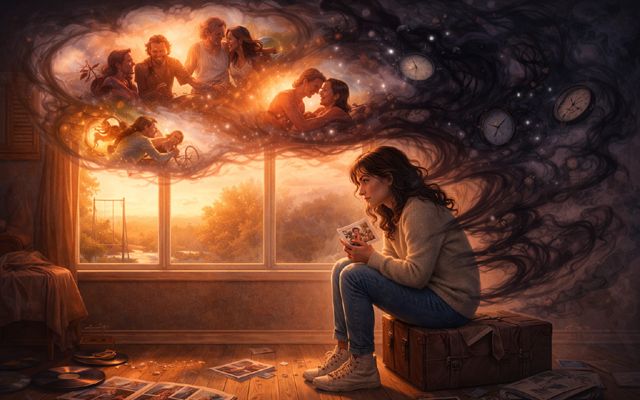
The word nostalgia sounds gentle, almost romantic, as if it were invented to describe sunsets and old songs. In reality, it entered language wearing a physician’s coat. In 1688, Swiss medical student Johannes Hofer coined the term from two Greek roots: nóstos (“return home”) and álgos (“pain”). He was naming what he believed to be a genuine illness.
Soldiers far from home displayed symptoms that alarmed doctors — insomnia, loss of appetite, heart irregularities, fever, depression, and in some reports even death. Commanders feared that certain folk songs might trigger dangerous waves of homesickness. Missing home was not considered sentimental; it was considered medically risky. Before nostalgia became a mood, it was a diagnosis.
From Disease to Feeling
Over the next two centuries, the word softened. What had been viewed as a physical disorder gradually became an emotional state. By the 20th century, nostalgia no longer belonged to medicine but to poetry, psychology, and music.
Yet the intensity never truly disappeared — it simply changed departments. Nostalgia was discharged from the hospital and quietly hired by the arts. The ache remained; only the label changed.
The Brain on Nostalgia
Modern neuroscience shows that nostalgia is not trivial daydreaming. When we revisit personal memories, the brain becomes highly active. The hippocampus retrieves autobiographical scenes, the amygdala colors them with emotion, and reward circuits release dopamine, creating warmth and comfort.
At the same time, the prefrontal cortex evaluates identity and meaning. The brain is essentially saying, “This mattered,” while also whispering, “This is gone.” It is emotional chocolate with a hint of existential salt — pleasant, but complex.
The Emotional Contradiction
Nostalgia feels good and sad at once. This contradiction is what makes it powerful — and potentially unhealthy if indulged too often. A brief visit to the past can strengthen identity and gratitude. Living there, however, can distort perception and weaken engagement with the present.
The Stoics would likely advise moderation. A small glass of nostalgia may warm the spirit; drinking the entire vineyard tends to produce poor philosophy and worse decisions. As a Stoic might dryly note: “If the past were truly better, it would have stayed.”
Many Cultures, One Ache
Every culture names this feeling differently, revealing how societies interpret longing. Portuguese saudade carries poetic melancholy and acceptance of absence. German Sehnsucht suggests a yearning for an unreachable ideal. Japanese natsukashii is gentler — fond remembrance without heavy sorrow.
Russian toska leans toward spiritual anguish, while Arabic haneen expresses a tender pull toward home and loved ones. The vocabulary changes, but the human experience remains constant: memory is never neutral. It either warms us or weighs us down, and often manages to do both simultaneously.
Memory and Warning in Scripture
Long before the word existed, the Hebrew Bible wrestled with nostalgia’s essence. The exiles in Babylon wept as they remembered Zion — a collective longing for homeland and identity sustained through memory. Here, remembrance preserved hope and continuity.
Yet the same tradition warns against destructive backward glances. Lot’s wife, who looked back at Sodom and became a pillar of salt, symbolizes the danger of fixation on what must be left behind. Biblical memory is therefore double-edged: sacred when it strengthens identity, harmful when it paralyzes progress.
A Museum, Not a Residence
Nostalgia is neither villain nor virtue; it is a powerful mental instrument. Its origins remind us that what feels sentimental today once carried medical seriousness. Neuroscience confirms that the brain still treats it as a significant event, not a casual whim.
The challenge is balance. The past can illuminate the present, but it should not replace it. A Stoic might conclude with restrained humor that one should visit the past like a museum — appreciate the exhibits, learn something meaningful, and then exit before attempting to rearrange the furniture and move back in.