Rabbi of Tamid Palm Beach
Not Everything Is Yours to Fix
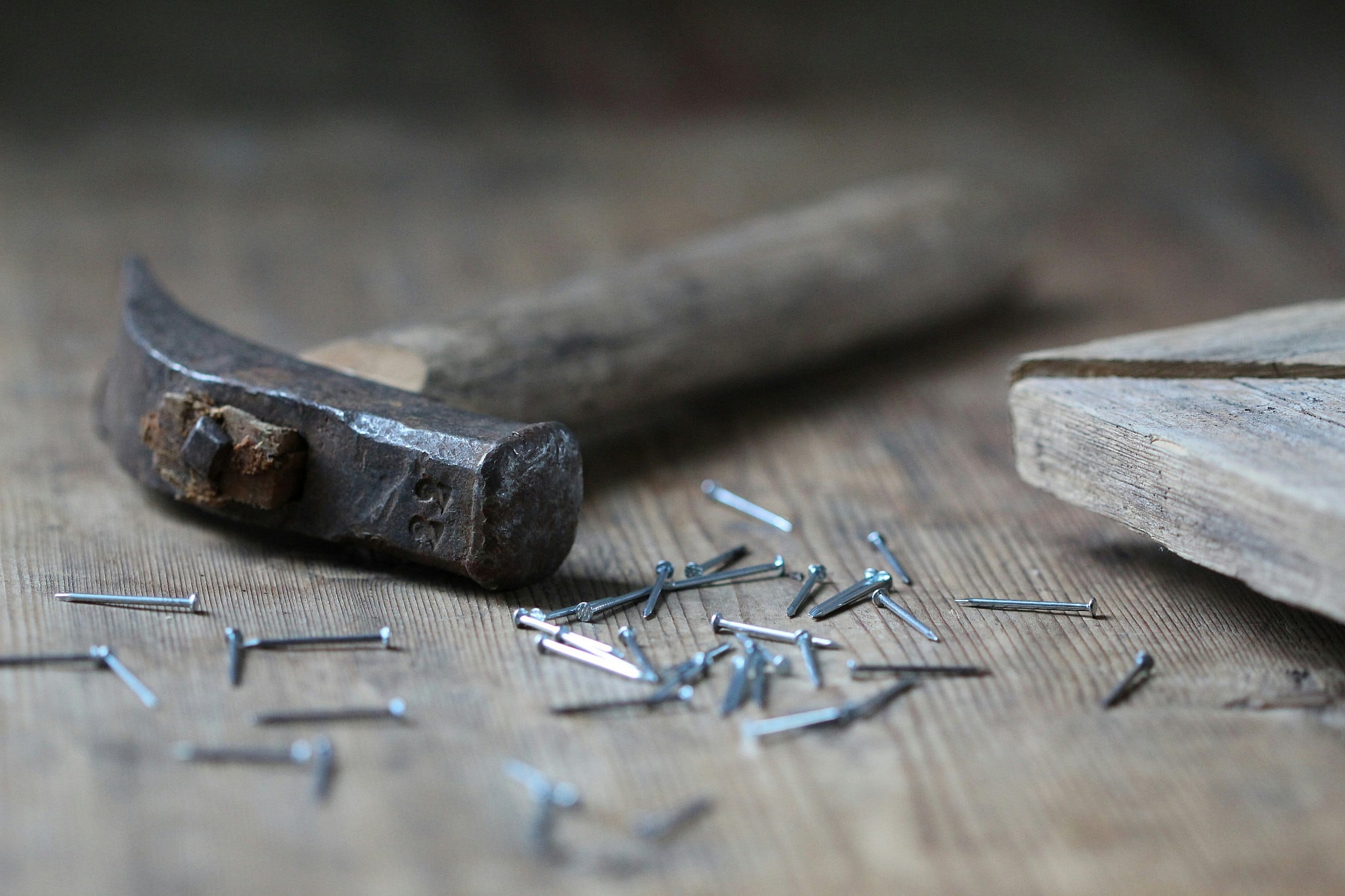
What do we do when the tools we have won't fix the problem? Photo by Anne Nygård on Unsplash
I sometimes catch myself reading the same bad news over and over again. I read the story, then the update, then the analysis. Then I check again an hour later, even though I know perfectly well that nothing I learn is going to change what I do next. Still, putting the phone down can feel wrong. If something terrible is happening and I care about it, shouldn’t I keep paying attention? I’m not sure.
I work as a rabbi and a hospice chaplain, and hospice has made me suspicious of the idea that caring always means doing more. Sometimes doing more is exactly right. A patient is uncomfortable. A family isn’t getting the information it needs. Something in the system isn’t working. Those are problems, and problems can be addressed. But eventually you run into something that isn’t a problem in that sense. A person is dying. You cannot work harder and make that fact go away. But you can still do something. You can sit down, listen, call the daughter who hasn’t arrived yet, get someone a cup of coffee, make sure a person isn’t alone.
Jewish tradition calls that gemilut chasadim, acts of lovingkindness. I’ve come to appreciate how modest the idea really is. It doesn’t promise to change the world. Visiting the sick doesn’t cure the illness. Comforting a mourner doesn’t reverse a death. The casserole doesn’t fix grief. It just gives somebody dinner. There is something refreshingly realistic about that.
Of course, realism can become an excuse too. Some things should be fixed. Bad policies, dysfunctional institutions and foolish rules often survive because people become very good at living around them. Someone says, “That’s the policy.” Someone else develops a workaround. Eventually everybody has adjusted to something nobody thinks is particularly good. Jewish tradition has a word for repair too: tikkun. The hard part isn’t knowing that repair is good. The hard part is knowing what is actually yours to repair.
That question has been around much longer than smartphones. The prophet Elijah was very good at fighting. He confronted kings. He challenged the prophets of Baal. At Mount Carmel, he called down fire from heaven. Then he fell apart. Jezebel threatened him, and Elijah ran into the wilderness, sat beneath a tree and asked to die. Eventually he reached Mount Horeb, where God asked him a wonderfully direct question: “What are you doing here, Elijah?” Elijah answered that he had been zealous for God while everyone else had abandoned the covenant. Then he said: “I alone am left.”
That sentence interests me more than the fire, because there is a trap hidden inside caring deeply about something. After a while, it can begin to feel as though your attention is holding the whole thing together. How can people ignore this? Why isn’t everyone furious? If I stop paying attention, who will? Caring becomes carrying.
Then Elijah sees a tremendous wind. God is not in the wind. An earthquake follows. God is not in the earthquake. Then fire. God is not in the fire. And then comes kol demamah dakah, a phrase translated in different ways: a still small voice, a whisper, even “the sound of sheer silence.” Demamah means stillness.
Our phones are remarkably good at wind, earthquake and fire. They are terrible at demamah. There is always another alert, another update, another opinion. And the phone makes everything feel equally close. A war five thousand miles away, a fight in Washington and a problem at my child’s school can all arrive within thirty seconds of one another. But they are not equally mine.
That doesn’t mean the distant tragedy is unimportant. It means its importance and my ability to affect it are two different questions. I think I have spent too much time confusing them. Some things really do call for tikkun. If something is wrong and I can reasonably change it, maybe I should stop complaining and try. Other things cannot be fixed by me, but there is a person within reach. That’s where gemilut chasadim makes sense. Don’t solve the world. Help the person.
And then there are things I cannot change and people I cannot help. That’s where demamah becomes harder to understand, because stillness is not the absence of a response. Sometimes it is the response. Elijah has spent his life answering fire with fire. He sees what is wrong and moves toward it. That is part of what makes him great. But on Horeb, God does not give him a bigger fire. God gives him demamah.
Maybe the lesson isn’t that Elijah needs to care less. Maybe he needs to surrender the idea that his caring gives him control. That is a very different thing. There are events I cannot repair. There are people whose suffering I cannot reach. I can know about them. I can grieve them. I can even be changed by them. But I cannot carry them all.
And perhaps that is the strange gift of demamah: it leaves enough room to discover what actually is mine. Elijah leaves the cave. There is still work waiting for him. God sends him back into the world. But he returns after discovering that God was not in every force that shook the mountain. Neither is he.
There will always be another fire. Wisdom may begin with knowing which one is yours to walk toward.
Related Topics
Related Posts