
October 7th could have been prevented
Since that Saturday, every Israeli has asked the same question: could it have been prevented?
The report that the president of the UAE personally warned Netanyahu before the attack has put that question back on the table. Netanyahu denies the call ever happened, but for this argument, it hardly matters. The warning that should trouble us most did not come from Abu Dhabi. It came from inside the government, in Hebrew, almost seven years earlier.
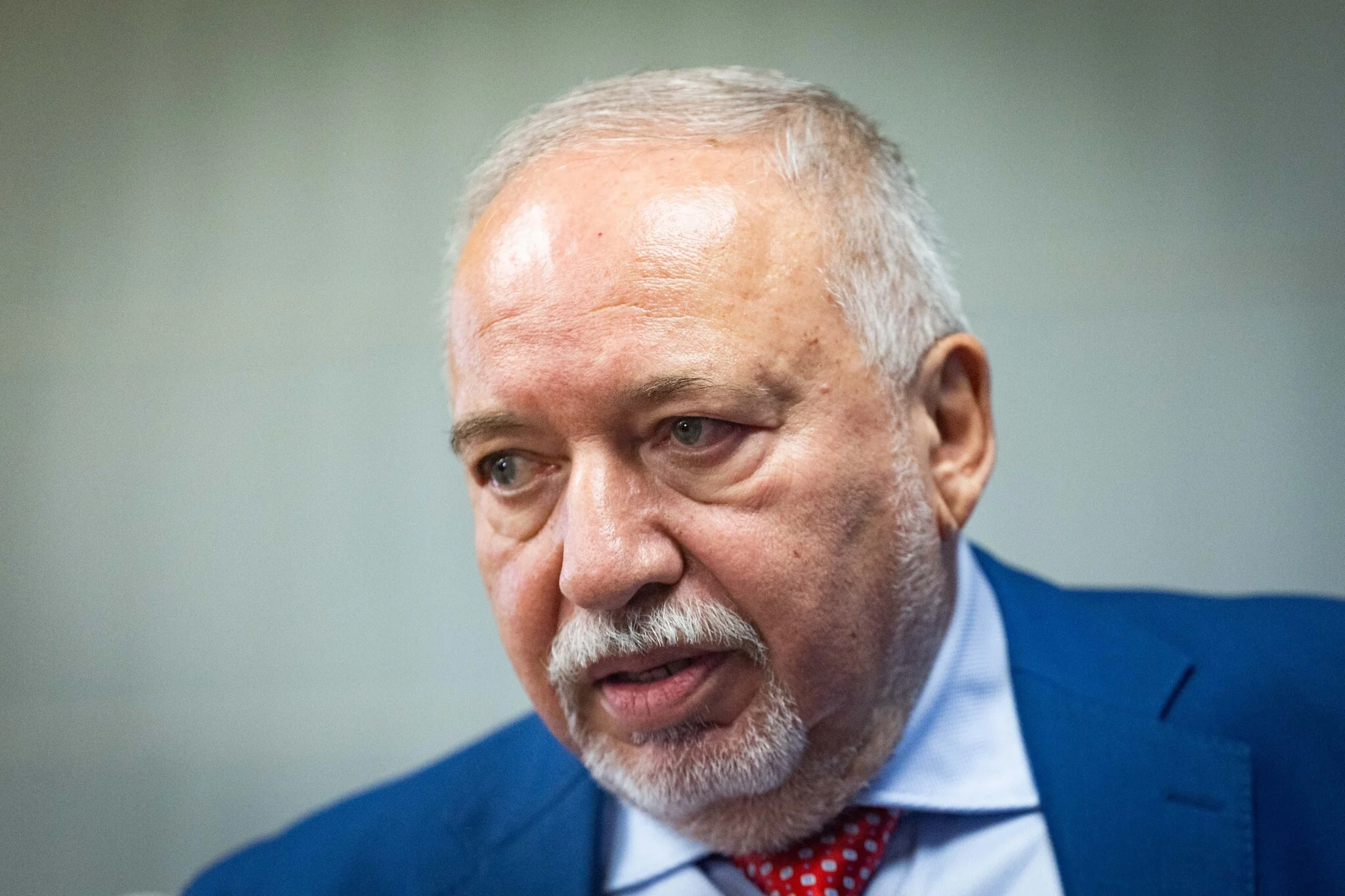
In December 2016, Defense Minister Avigdor Liberman put it in writing and handed it to the Prime Minister. Hamas, he wrote, was preparing to send its forces “to try and capture an Israeli community… on the Gaza border and take hostages.” He asked for a preemptive strike while there was still time.
The memo did not name the communities. We know their names now. Be’eri. Kfar Aza. Nir Oz.
His warning was brushed aside. The thinking at the time was that Hamas was deterred and had no interest in escalation. “I was one person,” Liberman said later.
That line stays with me. Being right about October 7th today is easy; everyone is. The hard thing is to be right when the whole room disagrees, and to keep saying it when it costs you.
Liberman kept saying it.
As defense minister, he backed a Shin Bet plan to take out the leadership of Hamas, an operation called Musical Chairs. Netanyahu did not greenlight it, and he rejected Liberman’s call for a preemptive strike as well.
Those who still mock Liberman over his unfulfilled 48-hour ultimatum to Haniyeh should also ask who refused to authorize the operations against Hamas that Liberman was demanding
In November 2018, the government allowed Qatari cash into Gaza and, days later, accepted a ceasefire with Hamas. Liberman called the ceasefire a surrender to terror and walked out of the Defense Ministry rather than put his name to it. It was not the first time he stood alone. Ariel Sharon fired him for opposing the withdrawal from Gaza. He voted against the Shalit deal, which sent Yahya Sinwar home. Each time, the consensus went the other way. Each time, he was right.
Very few people in Israeli politics can say that had they been prime minister, October 7th would not have happened. Liberman can, and not because of one memo. At every crossroads since the disengagement, the road that led to October 7th was a path he refused to take.
October 7th was a failure of intelligence, but above all, it was a failure of courage. The warning was there. What was missing was the will to act on a reality our leaders simply did not want to believe.
I joined the Likud on the day I received my Israeli ID card, before I had even signed a lease, because it stood for decisive victory over our enemies. I left this year because today’s Likud has settled for containment. Liberman never did.
On October 27, Israel chooses again. We can send the same people back to the same desk, or we can elect the man who wrote the warning years before anyone else was willing to read it.