
One Day of Sadness (Tisha B’Av)
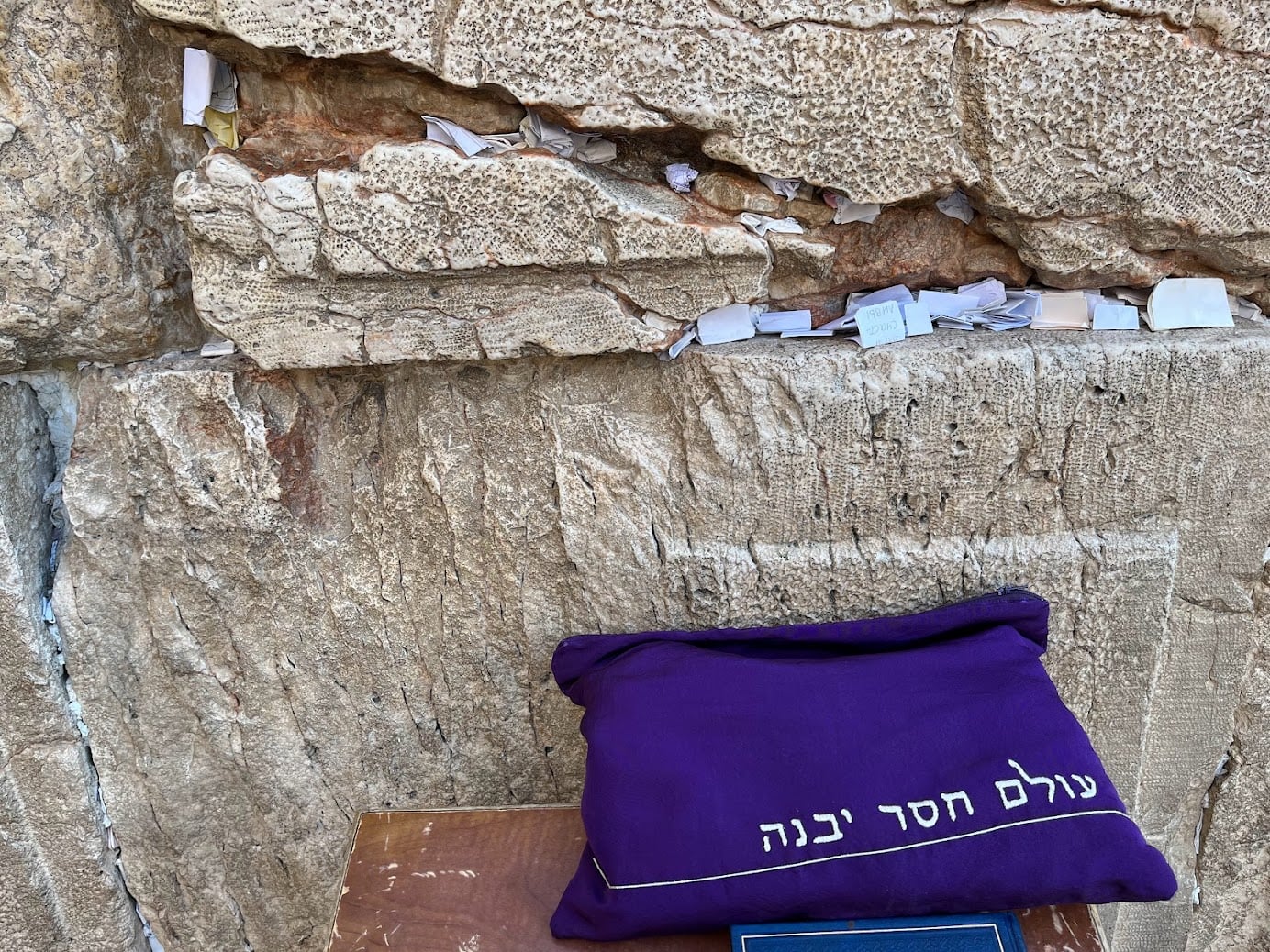
Tisha b’Av is more than a date on the calendar. It is a wound, reopened year after year, not to harm—but to teach, a baring mirror demanding we pause long enough to see the cracks within our collective soul that have accumulated over time.
We fast. We sit low. We do not greet one another. We refrain from Torah because that would bring joy. We don’t wash or eat or embrace. We don’t rush to explain. And we don’t try to move on too fast.
This is the day we remember what we have lost.
We remember the walls of Jerusalem breaking—not all at once, but gradually, painfully. Interpretive teachings remind us that before the stones fell, we lost something even more vital: the ability to see each other, to hear each other. Before the Temple fell, before exile from our homeland, we exiled each other from our hearts. Tisha b’Av, in its unbearable honesty, brings us back to those first cracks, far deeper than the pain any external foe could cause. Spiritually speaking, the destruction didn’t start with fire; it started with forgetting each other’s worth. And isn’t that how so much heartbreak begins?
On a ritual level, the day is overwhelming not just because of the Temple’s fall, but because tradition has mythically folded so many losses—so much devastation—into this one date. The spies returned from the Promised Land with frightening reports on that day. The Bar Kochba revolt against the Romans ended in defeat on this day. The Crusades are remembered on this day. The edicts enacting the expulsion of England’s Jews and the banishment of Jews from Spain were both signed on this day. Pogroms. Shoah.[1] October 7.[2] So much pain is packed into this single day. Why?
Because we are commanded to protect joy.
The Talmudic sage Rav Papa teaches that some fast days, based in historic calamities, are conditional, but that Tisha B’Av is different, “because several misfortunes happened on it.”[3]
We are encouraged to be whole most of the year, to choose life[4] each and every day. We are commanded to rejoice on holidays. This teaches us that, even the deepest grief must be constrained by our ritual calendar—because Judaism insists that we survive by remembering pain, not by being consumed by it. So tradition carves out one day, just one, to hold it all. Tisha b’Av became the vessel that contains our heartbreak so that it doesn’t leak into every corner of our lives.
Still, it is just so heavy.
On Tisha B’Av we mourn. But we do not stay here. Tradition insists that even on Tisha B’Av, the mourning softens by afternoon. We are commanded to get up from the ground. To rise. To don tefillin and inquire after each other once again. To resume life one small step at a time, culminating in a fierce, collective commitment to rebuild.
This year, this complicated, indefinable, overwhelming, second post-October 7 Tisha B’av, we sit in sorrow—not to wallow, but to acknowledge. And then we will rise—not to forget, but to begin anew. That is commanded, too.
May our mourning awaken us.
May our fasting soften us.
May we hold each other again.
This is our work.
This is our inheritance.
May we be worthy of it.
As the rabbis who lived in the immediate aftermath of the Destruction of the Jerusalem Temple taught, “Those who remember the destruction will merit to be part of the great rebuilding.”[5]
May we be so blessed.
—
This essay first appeared in the 2025 AJR Tisha B’Av Supplement, “Perhaps There is Hope”
NOTES:
[1] Though Yom HaShoah is a day on its own, Holocaust imagery is often included in modern commemorations of Tisha B’Av.
[2] It will be important, as this reflection argues, to consider how many historic scars should be individually allowed into Jewish calendar. The recent occurrence and magnitude of October 7, 2023’s devastation of Am Yisrael and Medinat Yisrael (as well as the ongoing hostage crisis almost 2 years later, Please God may they be brought home before this collection reaches publication) render any decision premature and likely inadequate.
[3] Commenting on Zech. 8:19, “…the fast of the fourth month, the fast of the fifth month, the fast of the seventh month, and the fast of the tenth month…,” Rav Papa first teaches that, on these fast days (the 17th of Tammuz, Tisha B’Av, the Fast of Gedaliah, and the 10th of Tevet), “when there is peace they shall be for joy and gladness; if there is persecution, they shall be fast days; if there is no persecution but yet not peace, then those who desire may fast and those who desire need not fast.” Rav Papa then separates Tisha B’Av from the list, “because several misfortunes happened on it.” (Rosh HaShannah 18b)
[4] Deut. 30:19
[5] Taanit 30b