
Operation Rising Lion: Israel’s Right Strategic Gamble
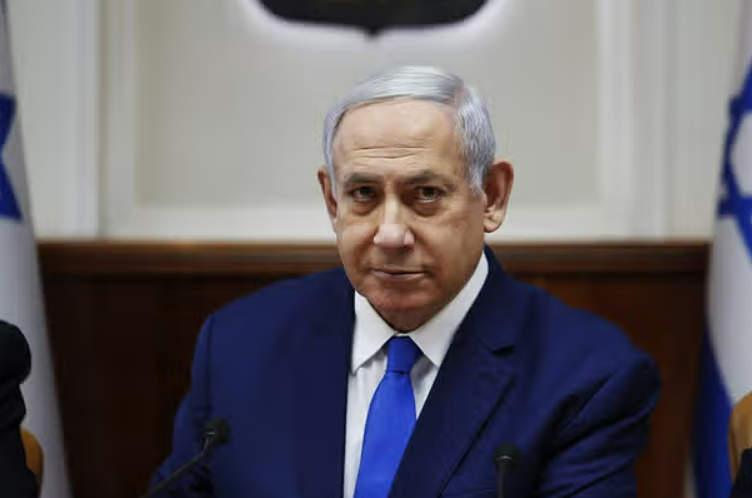
On 13th June 2025, Israel launched Operation Rising Lion, aiming to strike Iran’s key nuclear sites and strategic infrastructure. The operation was complex and involved both covert and overt means to achieve its objectives. In the strikes, Israel successfully destroyed the Natanz nuclear facility, damaged Isfahan’s uranium conversion facility, and further harmed the IRCG missile complex, resulting in the death of a key IRCG chief. This operation has placed both countries in a state of near war, as Israel has achieved its objective of strategically degrading and paralyzing Iran’s nuclear and strategic capabilities. However, these pre-emptive strikes carried an element of strategic risk and paralysis, unlike earlier strikes, which were limited in nature.
Israel’s Counter-Proliferation Strategy
Israel has adopted a strategy of disruption and paralysis against adversaries who choose to go nuclear, posing a strategic threat to the country. The first impression of this strategy emerged during Operation Damocles in 1962, when Israel’s Mossad launched a covert campaign targeting German scientists involved in Egypt’s rocket program. The operation aimed to disrupt the rocket program by targeting scientists through letter bombs, abductions, and threats to their families. Although this operation became somewhat controversial when it was revealed, it successfully stalled Egypt’s ambitious rocket program. Later, this strategy was termed the Begin Doctrine in the 1970s. The doctrine aimed to prevent Israel’s enemies from acquiring nuclear weapons through preemptive strikes and counter-proliferation efforts. The first preemptive air strike occurred in 1981 when Israel conducted air strikes on Iraq’s nuclear reactor under Operation Opera. After decades, Israel executed another preemptive strike on a Syrian nuclear site under Operation Orchard. All these strikes featured an element of strategic paralysis, effectively incapacitating Syrian and Iraqi nuclear programs. However, Israel had to readjust its doctrine concerning Iran. Unlike the degrading or paralyzing nuclear programs of Syria and Iraq, Israel opts to delay and disrupt Iran’s nuclear program without employing overt offensive measures. The primary reason deterring Israel from pursuing a full overt offensive against Iran’s nuclear program is the United States of America.
US Factor Between Israel and Iran
The reason for compelling Israel to develop a measured strategic response to Iran’s nuclear program is simple: geo-economics and strategic considerations. Iran’s energy profile cannot be overlooked, as it is among the top global producers of oil and gas and possesses the world’s second-largest proven natural gas reserves and third-largest crude oil reserves. Iran has a strong potential to influence oil prices; however, it is highly unlikely that Iran could block the Strait of Hormuz, which would lead to a sharp increase in global oil prices above $100 per barrel. Iran has a limited capacity to weaken the region economically, but it possesses strong proxy war capabilities, with forty years of asymmetrical warfare experience, which could severely destabilize the region. Sponsoring and orchestrating the October 7 attacks on Israel is one key example. Therefore, the US recognizes that balancing and moderating conflict with Iran is absolutely essential to ensure regional stability in the Middle East, as a weak Middle East can present economic and security challenges for the US’s geopolitical influence and economy.
Pushing Towards Covert Offensives
Recognizing the strategic risks and consequences involved in a direct conventional attack on Iran, the US launched a notable operation, known as the first use of cyber weapons: Operation Olympic Games. This operation, initiated under the Bush Administration in 2006, occurred almost a year ago when Israel began its first major covert offensive against Iran by allegedly assassinating Iranian scientist Ardeshir Hosseinpour, who was involved in the Iranian nuclear program. Operation Olympic Games aimed to conduct sophisticated cyber attacks on Iranian nuclear sites; however, more than the objective, the core idea was, as many analysts argue, to persuade Israel that there are more effective measures than direct and conventional means to disrupt Iran’s nuclear program. This operation significantly influenced Israel’s security apparatus, leading to a series of assassinations of key Iranian scientists.
Nuclear Deals And US
The Joint Comprehensive Plan (Iranian nuclear deal) aimed to prevent Iran from developing nuclear weapons in exchange for sanctions relief. The larger objective of the US was to ease regional tensions and foster deep economic relationships in the Middle East, thereby strengthening its geopolitical influence in the region. Israel opposed the plan, believing that significant economic relief would enable Iran to upgrade its security systems and proxies to further clandestinely develop nuclear weapons. Despite this opposition, the plan came into effect in January 2016. This plan limited Israel’s opportunities to carry out covert offensives against Iran’s nuclear program, as noted by a significant decline in major covert operations from 2012 onwards. After six years under the Trump Administration, the JCPOA was withdrawn, and a maximum pressure campaign began against Iran, which also significantly resumed Israel’s covert operations within two years of withdrawal. Israel carried out its most complex and significant covert operation by assassinating the chief of Iran’s nuclear program, Mohsen Fakhrizadeh Mahabadi, in November 2020, preceded by alleged cyber attacks by Israel on Iran’s key nuclear sites in June 2020.
Nuclear Deal 2.0: US Normalization and Israel Tensions
As the Middle East spiraled into major conflict following the October 7 attacks on Israel in 2023, and after a year since the fall of the Assad government alongside the threat of rising Islamic terror, a serious threat to regional stability emerged. Trump’s policy, which aimed to apply maximum pressure against Iran, began to shift as Trump’s second administration and the US’s security apparatus were driven by three key reasons: First, Trump sought to showcase a diplomatic win and the success of the US’s Middle East policy in achieving regional stability by introducing a better plan than the JCPOA. Second, maintaining regional security was prioritized by not allowing nuclear weapons, while instead pushing Iran to dismantle its nuclear program.
However, Iran wanted to limit rather than dismantle its nuclear program, which nearly resulted in a deadlock in the new arrangement negotiated over the past two months. Iran expected sanctions relief but must first dismantle its program; this key condition was dragging out the nuclear talks and increasing the risks of conflict, as Trump already warned Iran that if it did not make a new deal, “there will be bombing.” This renegotiation process was causing anxiety for Israel on two counts. First, the renegotiating window is helping Iran buy time, as by March 2025, Iran had attained 60 percent uranium enrichment. Within a few weeks, it could initiate the process to develop nuclear weapons, which may take a year, putting Iran close to the brink of developing them. Second, Israel also believed that if the deal started to fall into a deadlock, Trump might accelerate the negotiations and offer concessions to present the new deal as a diplomatic victory. According to reports, the Mossad Chief had some issues convincing United States Special Envoy to the Middle East Steven Charles Witkoff about the risks of re-negotiating with Iran. Perhaps all these developments forced Israel to shift its operational scope towards Iran.
Shifting Operational Scope
Israel has now made a few things clear: it no longer aims to disrupt Iran’s nuclear program but wants to paralyze it as Israel did with Iraq and Syria. The last air strike on Iran’s nuclear site happened last year in October 2024 under Operation Days of Repentance, where one nuclear research facility in Iran’s Parchin was destroyed. The operational objective was to destroy Iran’s strategic and military capabilities, and the scope was limited in Operation Days of Repentance as far as nuclear sites are concerned, as a limited and not-so-significant nuclear site was targeted. However, in Operation Rising Lion, Israel struck hard at Iran’s key Uranium enrichment facility, Natanz, which was earlier targeted through covert measures. While effectiveness was one startling difference, key reasons that forced Israel not only to shift its operational scope but also to take strategic risks involved putting the region on the brink of instability again were: first, cutting down Iran’s time-buying tactics. Second- Force Iran to negotiate and surrender. Third- Strategically Pralayse Iran to weaken it to such an extent that it has no option but to concede to the US’s demands of dismantling the nuclear program.
While desirable objectives are somewhat achieved by Israel, larger strategic successes will only be possible if Iran actually abandons its nuclear ambitions. Although regime change is one option to pressure Iran and end its nuclear pursuits, prioritizing regional security and stability is essential, which the US will strive to uphold. Nevertheless, Iran’s nuclear ambitions still necessitate deeper strikes and probing, which could impact regional stability in the long term. The question is whether the US will be able to afford this or not.