Educator, Mother, Learner, Wife — Guided by Torah
Our Prayers Deserve the Same Respect as Your Raves
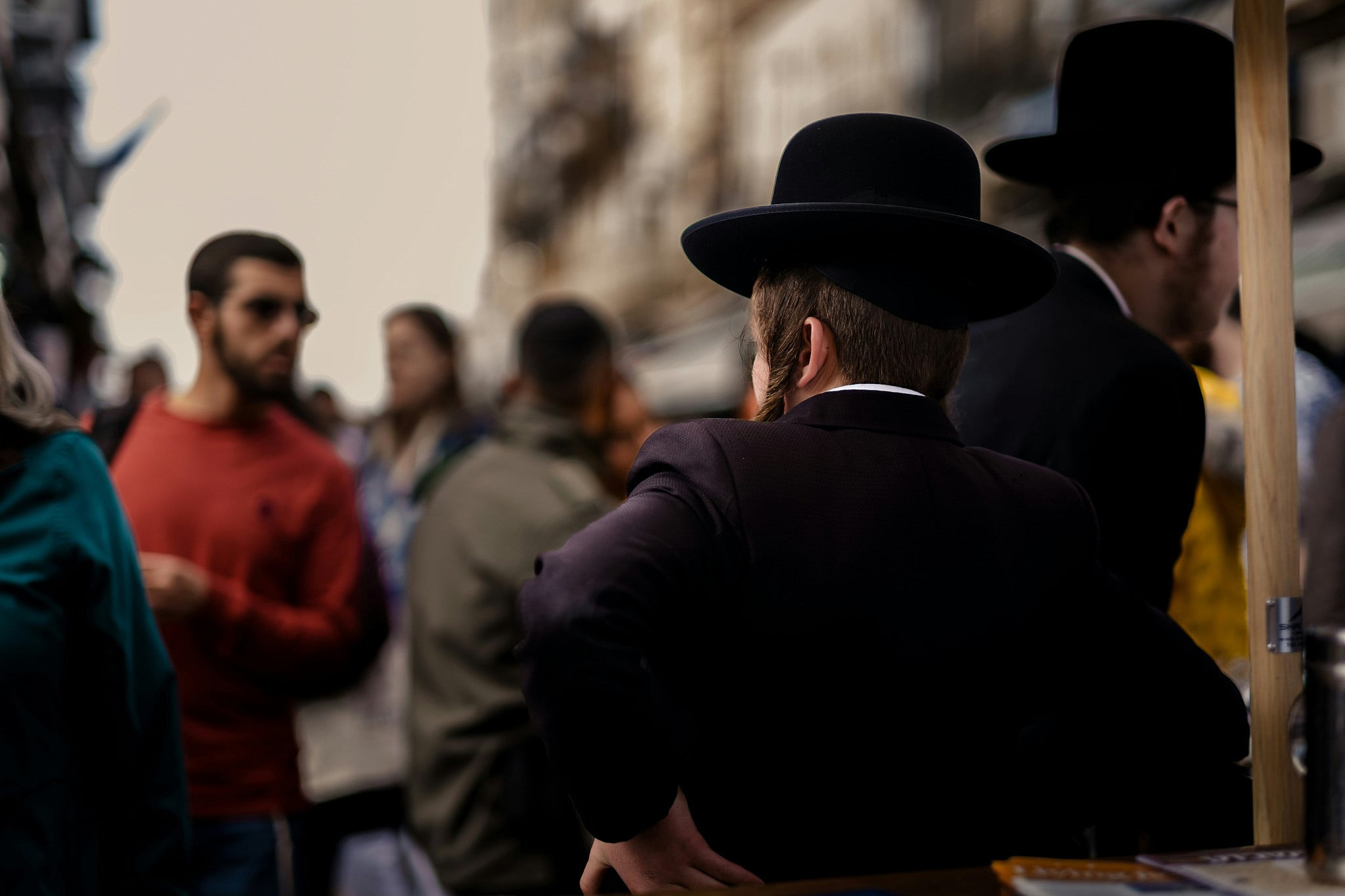
Embracing diversity means accepting that not all Jews are the same (Levi Meir Clancy, Unsplash).
If Israelis can bless raves near Gaza, they must respect Jews who daven in Uman — mocking one while sanctifying the other is hypocrisy.
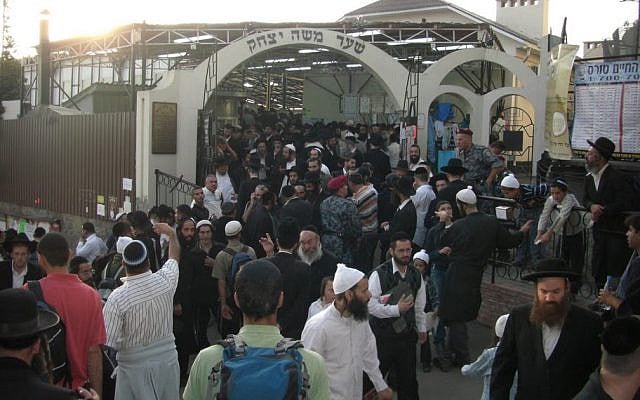
Each Elul flows into Tishrei with a kind of trembling. We count the days until the shofar will sound, until we stand once more before Hashem. For tens of thousands of Orthodox Jews, that journey takes them not only to their local shul, but across borders and amidst sirens — to the Ukrainian city of Uman, where Rebbe Nachman of Breslov rests.
Even as war scorches Ukraine’s soil, more than 30,000 pilgrims are expected to gather there this Rosh HaShanah. The Israeli government recently pledged 10 million shekels for logistics and security — constructing a temporary terminal in Moldova, deploying police and translators, and negotiating with Ukraine and neighboring countries to guarantee safe passage. Critics decry the cost, asking why a nation under fire should fund what they deride as fanaticism.
But to dismiss Uman as reckless is to miss its essence. The pilgrimage is not escapism. It is an act of life amidst death, a protest against erasure.
A Hypocrisy Laid Bare
Since October 7th, Israelis have insisted: we must keep dancing, keep singing, keep celebrating life. When music festivals resume, they are hailed as resilience. Yet when Torah observant Jews board flights to Uman, they are scorned as reckless.
The hypocrisy does not end there. Secular Israelis will gladly pack out desert raves in the Negev, not far from rocket fire. The State of Israel provides security, and the country blesses the dancers as heroes. But when Orthodox Jews travel to Uman to daven, suddenly secular state and society sneer.
Nor is it only music. Israelis hike in the Golan Heights under the shadow of Hezbollah, and backpackers trek through volatile parts of South America or even the ISIS-filled Sinai. Adventure is celebrated as bold. But when religious Jews take their own journey of meaning, they are condemned as reckless, immature, or out of touch.
Even in Tel Aviv, clubs and bars fill and overflow — despite rocket alerts. People dash to shelters, then return to the dance floor. The State does not deride them as fanatics. It calls them strong. Yet, for Orthodox Jews in Uman, the same defiance is mocked as escapism or insensitivity.
We even fund trips to Poland, where Israeli schoolchildren rightfully march through Auschwitz and Birkenau as part of Holocaust education. Those journeys are rightly protected and subsidized, even though they involve danger and cost. But when Jews return to Ukraine — not to gaze at ruins, but to proclaim life — suddenly secular state and society sneer.
This is hypocrisy. To exalt secular dancing and sneer at Orthodox davening is not security policy. It is simply prejudice.
Choosing Life
Rebbe Nachman’s call still echoes: “come to me on Rosh HaShanah.” His followers come not merely to plead for themselves, but to proclaim that Jewish life continues in places meant to be emptied of Jews.
So much of European Jewry is silent now — the shtetls burnt, the cemeteries toppled, the voices extinguished by the Holocaust. To hear Hebrew psalms amidst Ukrainian streets is to answer back: we are still here. Uman is perhaps less a festival and more of a living yahrzeit candle. It remembers, but it also insists.
In the machzor we read of Sarah, Rochel, and Chana — women whose tears for children became the very liturgy of Rosh HaShanah. Their cries echo through every generation, reminding us that Jewish survival is never guaranteed but always sought. To stand in Uman, amidst the ruins of European Jewry, is to join their cry: a womb of prayer amidst the graves, a stubborn whisper of life where history thundered death.
For centuries, Jews were mis-seen, mis-named, and dismissed by the nations of the world. Uman is the refusal of that erasure. It declares that even where Jews were written out of history, we inscribe ourselves back through tefillah. Pilgrimage is not abandonment of Israel, nor an indulgence in danger. It is part of the wider Jewish rhythm: Yerushalayim at the centre, but sparks of holiness scattered even in exile. To step into Uman is to declare that graves will not have the final word.
We Can Dance & Pray
Thus the question is not whether Israel can afford to guard Uman. It is whether Israel can afford the hypocrisy of calling one Jewish gathering resilience and another fanaticism. If we can dance, we can pray. If we can shout, we can whisper. If we can rave, we can blow the shofar. For some, choosing life means music and movement after tragedy; for others, it means kneeling at a grave to pour out their souls. Both are Jewish languages of resilience.
No one should feel pressured to travel to Uman — every family decides differently, and sometimes the right choice is to stay home (like our family). But those who do choose the pilgrimage deserve respect — not scorn — and certainly not hypocrisy.
This Rosh HaShanah, amidst missiles and memory, Jews will once more gather in Uman. Some will sneer. Others will shrug. But those who stand there, shoulder to shoulder, will proclaim what Torah has always taught: uvacharta ba’chayim — choose life.
And life, against all odds, is exactly what we choose. That, after all, is the very essence of Rosh HaShanah.
Related Topics
Related Posts