
Phase Two Begins: Gaza at a Defining Crossroads
For the first time in years, it feels like Gaza may be standing at the edge of something other than ruin.
After decades of war, broken ceasefires, and recycled peace slogans, President Donald Trump’s Comprehensive Plan to End the Gaza Conflict is beginning to look less like another diplomatic gesture and more like a genuine attempt to change the trajectory. With Phase Two now underway in mid-January 2026, following UN Security Council Resolution 2803, the focus has finally shifted from survival to sustainability: demilitarization, governance, and reconstruction. That alone sets this effort apart.
The return of Sergeant First Class Ran Gvili to Israel has marked the end of one of the most painful and unresolved chapters of the Gaza war. For more than two years, the fate of Israeli captives—both those who were alive and those who had been killed—cast a long shadow over every ceasefire discussion and every proposal for Gaza’s future. With Gvili’s remains recovered during Operation Brave Heart, that shadow has finally lifted, allowing the conflict to cautiously step into a new phase.
Senior officials from the U.S.-backed Board of Peace spoke about this moment with a rare sense of closure: all hostage cases have now been resolved. This is a big deal in diplomatic terms. It signifies the end of Phase One of President Donald J. Trump’s Gaza initiative and opens the door to Phase Two—the most complex and politically sensitive stage of the plan.
The most obvious sign of this shift is the expected reopening of the Rafah Crossing. After being closed for a long time due to security issues and political stalemates, Rafah will now function under a carefully structured system aimed at balancing trust and oversight. Palestinian Authority staff will handle civil procedures, European Union monitors will keep an eye on operations, Egypt will manage the flow of people, and Israeli security forces will conduct checks from outside the crossing. No single entity has full control, which shows a collective understanding that Gaza’s future relies on shared authority rather than unilateral decisions.
At first, the number of crossings will be limited, but there’s hope that capacity will grow if the system works well. More than just logistics, the reopening of Rafah represents a significant milestone: it’s Gaza’s first cautious step away from isolation and towards a more regulated interaction with the outside world.
However, Phase Two isn’t solely focused on border management. At its heart is the issue of security, particularly disarmament. U.S. and Israeli officials have been quite clear: every other aspect—reconstruction, governance reform, humanitarian aid—relies on dismantling Hamas’ military capabilities. President Trump recognized Hamas’ role in helping to recover Gvili’s remains but stressed that such gestures can’t replace their obligations. Israeli Prime Minister Benjamin Netanyahu reiterated this point, highlighting that the next phase is defined by demilitarization rather than rehabilitation.
This clarity leaves little room for doubt. With no Israeli hostages left in Gaza, Hamas no longer has the leverage that once influenced negotiations. What remains is a strategic choice about Gaza’s future: will armed rule continue to shape daily life, or can we pave the way for a different governing reality?
There are clear signs of internal strain within Hamas. Their choice to release all remaining hostages without any conditions shows that they’re feeling the heat and are exhausted, rather than signaling a change in ideology. While some factions are firmly against disarmament, others seem to be realizing that sticking to militarization isn’t yielding the results it once did. U.S. officials have floated the idea of limited amnesty for fighters who hand over their weapons, but Israel hasn’t confirmed any such plan.
It’s still uncertain whether practical considerations can take precedence over ideology. On the governance side, there’s the question of how things will be run. Phase Two proposes a technocratic Palestinian administration led by Ali Shaath, which would operate under the oversight of the Board of Peace and be backed by international advisers. The goal isn’t to tackle the big political questions but to get basic administration, services, and accountability back on track. It’s a modest ambition, shaped by the lessons learned from past, more ambitious plans that didn’t pan out.
The process of reconstruction is grounded in a careful strategy. Instead of giving power to a single authority or donor state, the rebuilding will be managed by several vetted private companies, all under strict international supervision over the next ten years. Israel will take charge of clearing rubble and removing unexploded ordnance, with a primary concern: ensuring that reconstruction materials don’t get diverted for military use.
Some critics believe this approach risks deepening external control, while supporters argue it’s a result of hard-earned lessons from previous withdrawals. Either way, Phase Two isn’t about instant change. It’s about establishing order where there was once chaos and creating opportunities that simply didn’t exist before.
Phase Two begins at a defining crossroads, but for the first time in many years, that crossroads is not blocked by unresolved grief or unfinished obligations. With the hostage chapter finally closed, the region has been given something rare: clarity. Clarity creates responsibility, and responsibility creates the possibility of change.
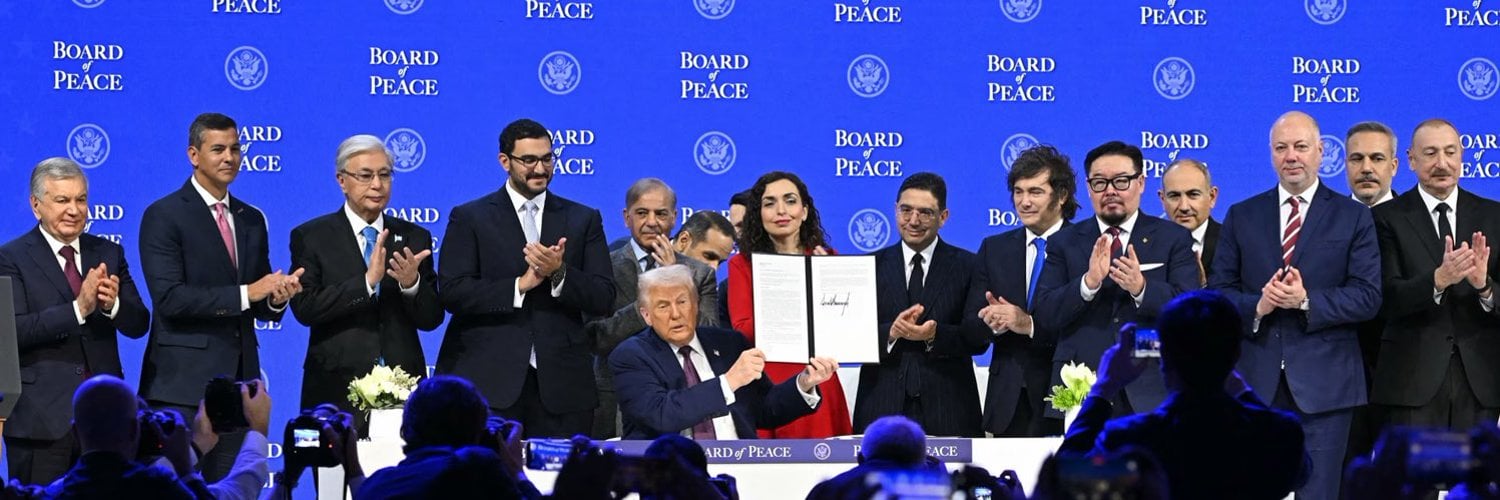
What stands out is the diversity of the coalition backing it. This isn’t the usual collection of Western powers issuing statements. The Board includes countries from the Middle East, South and Central Asia, Latin America, and Eastern Europe. Pakistan’s inclusion is particularly meaningful. For a country that has long spoken about Palestinian rights but often from the sidelines, this is a chance to engage constructively—pushing for dignity and stability rather than slogans. From a Pakistani perspective, that matters. Peace in the Middle East isn’t an abstract cause; it ripples directly into our region’s politics, economics, and security.
If this phase can transform disarmament from a mere promise into tangible action, if governance prioritizes skill over force, and if the authority protects reconstruction efforts from those who might turn solid ground into conflict, then Gaza could begin a slow but meaningful transition from ongoing crisis to a more organized recovery. This journey won’t be quick or easy, but it’s now within our grasp.
A chapter has closed, and a challenging new one has opened—but for the first time, there’s a real chance that Gaza’s future could be shaped not just by war, but by rebuilding, stability, and the opportunity for a new direction.