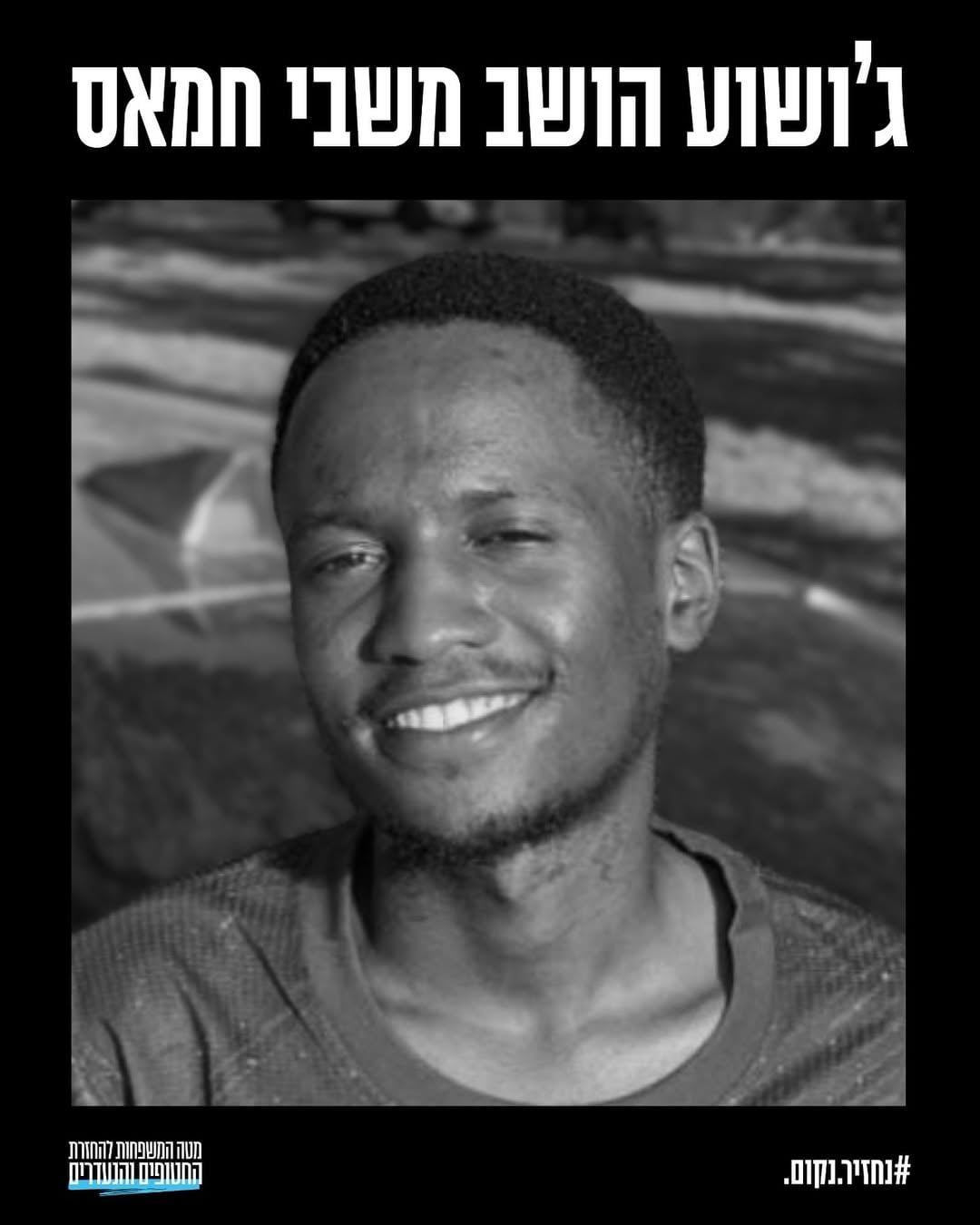
An unfinished life: Joshua Luwito Mlele of Tanzania
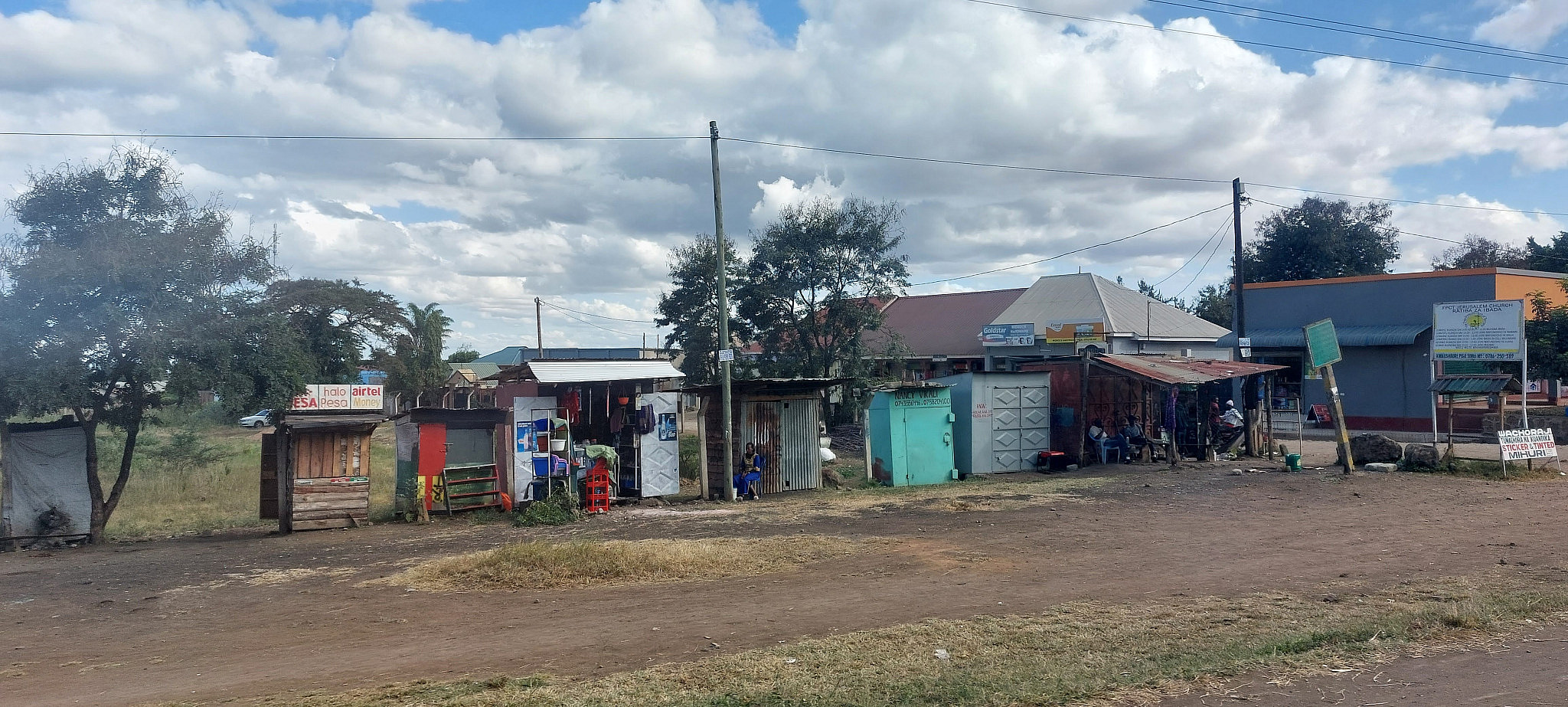
Tanzania is an intoxicatingly beautiful country. But what moved me most, when we visited just before the war, were the people.
“You see the half-built houses? You’ll see them everywhere,” said Laban, the driver who took us across the savannah and forests for a week, on our first day of shared travel. He was right. Everywhere – in the city, in the villages, in the occasional two-street assortments of houses around the highway — there were half-made houses. Each one was built out of different materials and suggested a different design, but all had the look of an abandoned project.
I later learned that Laban is a proud, but not very traditional, Maasai. His grandfather lived like the tall, slender men we drove by, wrapped in traditional cloths and herding their cattle. Had he grown up in a traditional family, Laban too would have wandered with his herd for many months each year, while his wives stayed behind to care for the younger children and gather straw and clay to patch the home. Before the babies came, they might have wandered with him instead, leaving the home behind — open to the occasional poaching by other families.
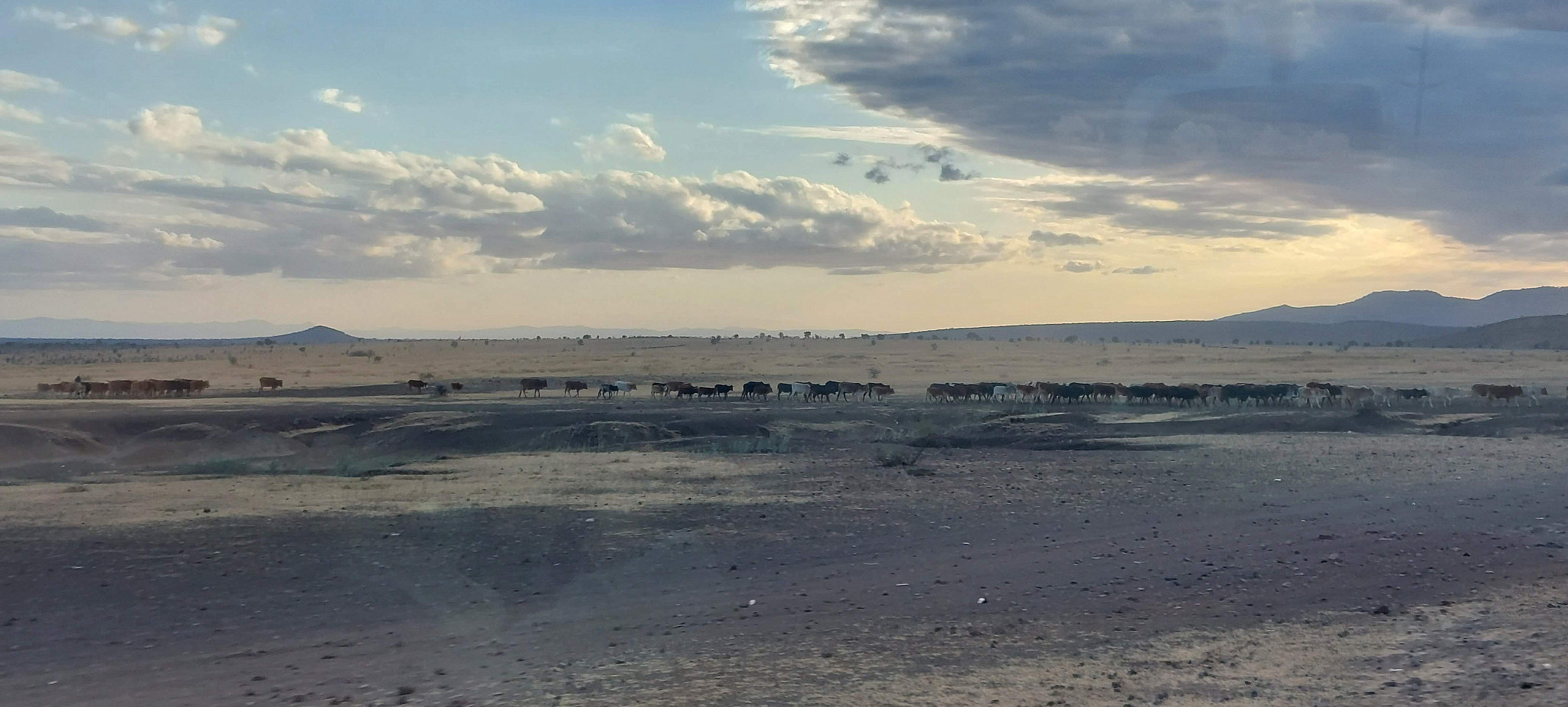
But Laban’s parents raised him in a “modern Maasai village.” He lives in a home made of bricks instead of boughs and clay, and herds tourists instead of cattle. His wife is traditional enough not to expect him to help around the house (a strictly female province, “in African culture,” as he put it, where a consistently helpful husband would make everyone wonder what’s wrong with his wife), and modern enough to be pleasantly surprised if he does pitch in occasionally. “She can be surprised and excited if I wash the dishes, but doesn’t expect me to do it again the next day, you know?” Laban said, eyes twinkling.
The couple’s two young daughters live between worlds too. They were given traditional Masai names at birth, but as those are falling out of fashion, only the girls’ family and closest friends use them. Anywhere else, the girls go by the names Laban gave them when they were baptized: Aisling and Alice.
Laban was our guide not only to Tanzania’s natural world, but also to its peoples. He told us about the country’s 120 tribes, and introduced us to the Bushmen, who still live as hunter-gatherers. He took the men and boys amongst us to hunt with them and explained what the whistles and tongue-clicks of their language meant.
He drove us past women selling chickens on the roadside; around clusters of men taking goats to market by huddling with them on motorcycles; and through countless farming villages where men, women, and children ran out to wave at us.
He explained that no, these different people did not grow up necessarily speaking the same language, and yes, the tiny girl we saw herding goats was probably 5 years old, and yes, 5 is a perfectly normal age to begin herding. The baby-shaped creature strapped to her back? Not a doll. A real baby. “Probably a brother,” he added.
And on that first day, Laban explained to us the mystery of the unfinished houses.
“We have this bad problem of unemployment here. So when people have a job for a time, they start building. But when they don’t, they stop and wait. The houses look abandoned but they’re not. Someone is thinking of them and planning to finish them.”
* * *
I’ve thought a lot about Laban, and about the houses in Tanzania, since October 7th.
I thought of him when I first heard about the Tanzanian farm workers who were brutalized and murdered in the Gaza envelope on October 7th, simply because they had the misfortune of working in Israel.
I thought of him when I worried about our hostages. I hoped they knew that even if they seemed abandoned from the outside, someone was thinking of them and planning their return.
And I thought of him when it was announced that the body of Joshua Luwito Mlele, the 21-year-old Tanzanian farmer who had had the misfortune to come to work in Kibbutz Nahal Oz a mere fortnight before the massacre, had been brought back to Israel.
Somewhere in Tanzania, is there a half-built house waiting for Joshua — a house his salary was meant to complete?
* * *
I am sorry, Joshua, that Israel couldn’t protect you. I’m sorry we couldn’t stop the terrorists who claimed your and so many others’ lives. I listened to your father thanking us today — thanking us for never giving up on you, for working hard to bring your body back. I’m sorry that this was the best that we could offer you.
Laban told me that he and his family go to church every Sunday and pray for the peace of Jerusalem. “There are many like us,” he said. “Jerusalem is important to us. We love her. We love Israel.”
Today, here in Jerusalem, I am praying with Tanzania on my mind, Joshua. I am praying for you, and for your family and community, wherever they might be, in your vast and colorful country. I am praying that the return of your body will grant them a measure of peace. And I am praying for the families of all the October 7th victims who were not born here, who were not citizens here, but died simply because they chose to come work or study here, and maybe go home one day with more knowledge, or tools, or the means to build a house.
A house that will never be built.
* * *
As of the evening of November 6, 2025, the body of a Thai farmer, Sudthisak Rinthalak, is still held in Gaza, as are the bodies of four Israelis kidnapped on October 7th: Meny Godard, Ran Gvili, Dror Or, and Lior Rudaeff. Hadar Goldin was killed by Hamas during a ceasefire in 2014 and taken into Gaza, and he is still held there, 394 weeks later. We continue to pray for their return, so that their families can find a measure of peace.