Project Max and the Power of Sport Against Hate
In a time when intolerance races ahead of the truth, the real challenge lies not just in recognizing hate but in effectively addressing it. Racism, antisemitism, and other forms of prejudice have gained new life through social media, morphing personal biases into widespread echo chambers. In light of this, Project Max has emerged with a powerful and timely vision: to harness the universal appeal and moral authority of sports as a key weapon in the battle against hate.
Project Max is founded on the idea that sports do more than just entertain us. They teach us about discipline, respect, teamwork, and fair competition—values that resonate across all religions, ethnicities, and nationalities. By tapping into these principles, the organization aims to turn sports fields into platforms for meaningful social change. Its mission is clear yet ambitious: to enhance the fight against racism, antisemitism, and intolerance by empowering athletes, engaging communities, and countering hate where it spreads most aggressively.
What really makes Project Max stand out is its unique ability to merge advocacy with action. This initiative brings together years of sports leadership and modern digital tools to tackle pressing issues. Its mission is rooted in a clear understanding of today’s world: intolerance isn’t just something that happens in stadiums or isolated events; it’s a pervasive issue online. Project Max aims to address this challenge head-on by leveraging technology to amplify positive stories, counter hateful content, and foster inclusion on a large scale.
Leadership has been vital in shaping this vision. Under the guidance of Executive Director Eric Rubin, the organization has prioritized collaboration over confrontation. Rubin’s experience in nonprofit leadership and interfaith dialogue has directed Project Max towards initiatives that focus on education, mentorship, and long-lasting cultural change instead of fleeting publicity. The aim isn’t to win debates but to influence perspectives—especially among the youth.
At the heart of this initiative is Project Max’s expanding network of athlete ambassadors. Both former and current stars from the NBA, NFL, MLB, Olympic sports, soccer, and combat disciplines have stepped up to lend their voices and credibility to this important cause. These athletes truly grasp the power of influence. They recognize that a message shared by someone admired for their excellence and integrity often strikes a deeper chord than one coming from institutions alone. Through campaigns, public appearances, and advocacy missions, they remind fans that standing up against hate isn’t just a political stance; it’s a fundamental human one.
Project Max’s initiatives embody this philosophy. Athlete-led video campaigns share personal stories of discrimination, turning abstract issues into painfully real experiences. International conferences and forums firmly place the challenges of antisemitism and racism in sports on the global stage. Advocacy efforts, including visits from prominent athletes to support families of hostages and victims of violence, demonstrate a commitment to confronting difficult and emotional realities rather than staying comfortably removed.
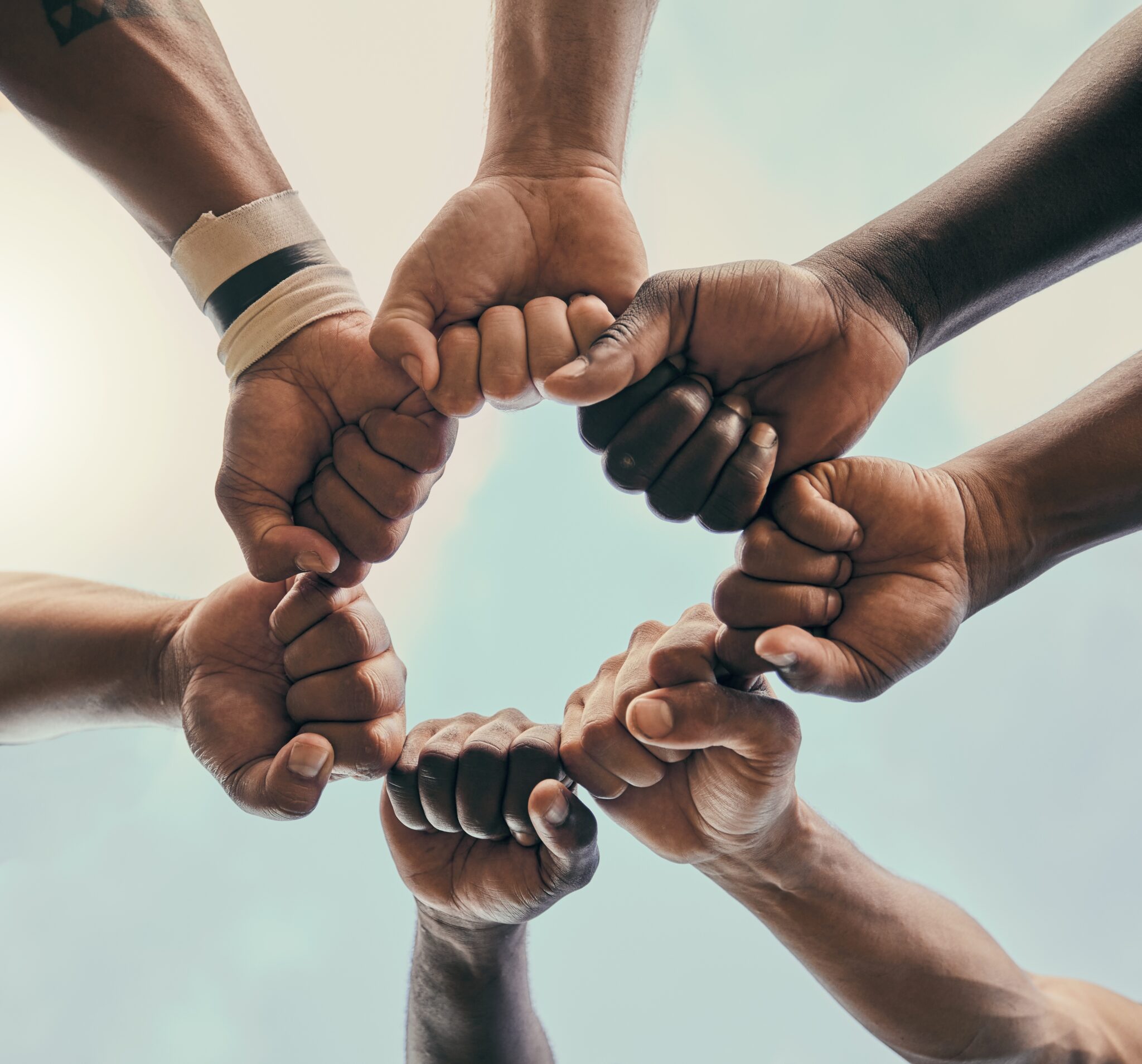
One of the most significant milestones in Project Max’s journey is its partnership with the Global Muslim-Jewish Youth Unity Project. In a time when divisive narratives aim to set communities against each other, this collaboration sends a powerful message: unity is still achievable. By bringing together Muslim and Jewish youth through sports clinics, mentorship, and team-based activities, the initiative transforms suspicion into shared experiences. Training side by side, learning to trust one another, and competing with respect turns coexistence from a mere concept into a lived reality.
Eric Rubin, President of Project Max said, “The mission of Project Max is to maximize the fight against racism, antisemitism, and intolerance through sports. For several years, we have been conducting interfaith sports clinics for children to teach them the values of respect, teamwork, and inclusivity. Upon learning about the mission of GMJYUP, I immediately saw tremendous synergy. GMJYUP and Project Max both believe that through mentorship, education, community, and sports, we can cultivate a generation that rejects hate and unites to champion compassion and shared humanity.
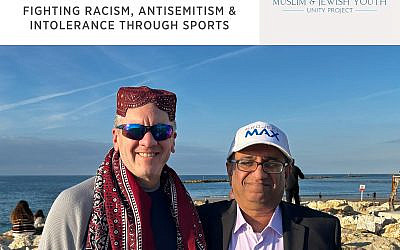
The voices championing this partnership really highlight its importance. Athletes like Nick Lowery talk about values such as dignity, courage, and connection as the building blocks for meaningful change. Josh Powell stresses that unity and mutual respect are essential principles that can’t be compromised. Olympic judoka Sagi Muki reminds us that the greatest victories in sports—and in life—are those that prioritize respect over fear and connection over division.
“’As an Olympic athlete, my journey taught me that the greatest victories don’t happen on the podium, but in moments where people choose respect over fear and connection over division. Sport gave me the opportunity to compete, to fail, to grow, and to believe in the power of shared values. Bringing Muslim and Jewish youth together through sport is deeply personal to me, it’s proof that when young people train, struggle, and succeed side by side, unity stops being an idea and becomes a lived experience,’ said Sagi Muki.
Project Max doesn’t pretend to have all the answers, nor does it lean on catchy slogans. Its real strength comes from its consistency and credibility. By steadily growing its network of athletes, forging partnerships across communities, and staying visible in both sports and civic arenas, it’s steadily increasing its influence. While the true impact of cultural change can’t always be quantified, the momentum behind Project Max is hard to overlook.
At its heart, Project Max serves as a powerful reminder of what sports can truly embody at their best. Beyond the trophies and rivalries, sports have the unique ability to unite people, teach respect, and confront prejudice without raising voices. By choosing to wield that power thoughtfully and responsibly, Project Max is showing that the battle against hate doesn’t always start in parliaments or courtrooms. Sometimes, it begins on a field, a court, or a track—where individuals discover, often for the first time, that teamwork and humanity are far more important than differences.