PTSD on steroids: A psychological epidemic after October 7th
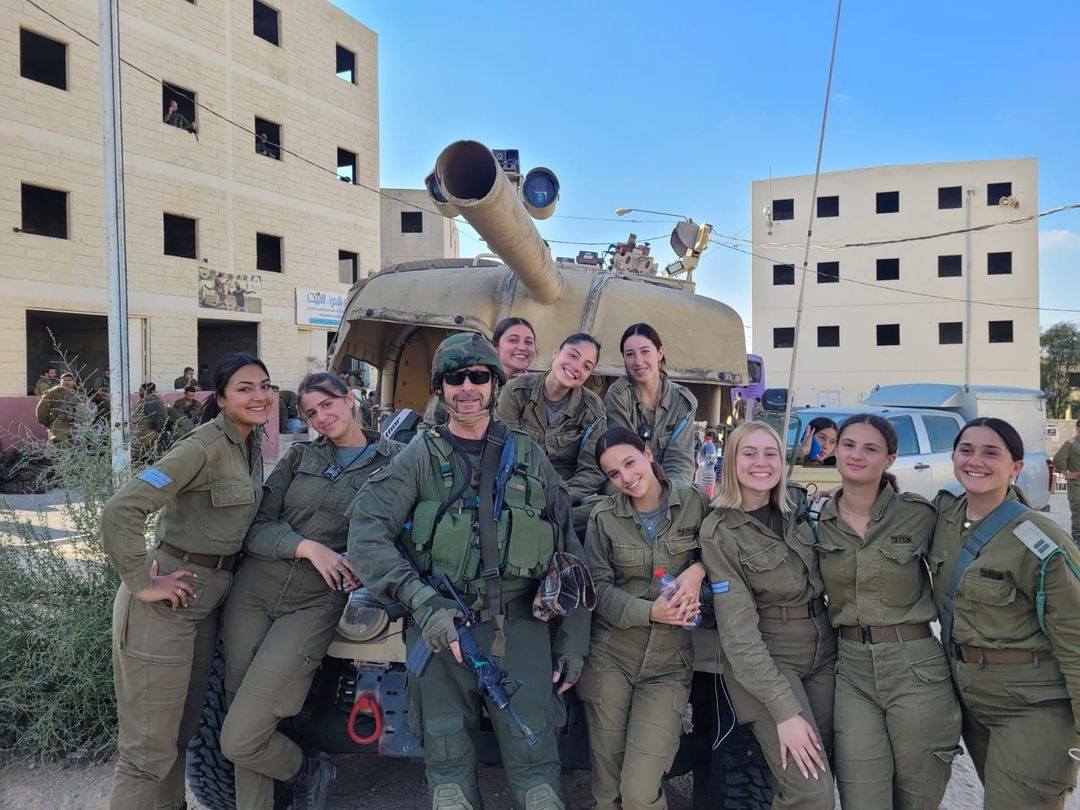
Having observed and dealt with stress for over 30 years — as a combat soldier and officer in special units, and later as a combat psychologist in operational units — the recent developments surrounding PTSD can reasonably be described as an “epidemic.”
There are several important things to understand about PTSD before analyzing it, and learning how to cope with it.
Understanding PTSD
First, PTSD should be viewed as a phenomenon that exists on a continuum. It moves up and down depending on circumstances.
A person experiences stress when he (“he” can be read as “she” throughout this article) perceives that he lacks the resources to deal with a situation. Beyond personality differences, this explains why people react differently to the same stimulus.
Stressors that come as a surprise have a far greater impact. If you know that tomorrow you have multiple tasks to perform, you can plan and prepare — emotionally and technically. If, however, you arrive at the office and suddenly discover multiple unexpected tasks and challenges, you will experience shock at some level, which will impair your functioning.
The October 7 war was a surprise in many respects: timing, cruelty, destructiveness, length, and intensity.
Stress is cumulative. Imagine carrying a few kilograms of “stressors” in a backpack every day — changing from time to time: work stress, family challenges, health issues, time constraints, and so on. Now imagine adding 50 kilograms of war-related stressors to that pack. Some people can manage this for a while; others cannot manage it even briefly.
Time is another crucial factor. Even those who can carry the additional weight for a short period will eventually buckle under it. Think of PTSD as a stress fracture — not of the body, but of the mind.
Regular army units and reservists spent months in combat zones. Sleep was scarce due to continual combat. Even when a few hours of rest were possible, explosions from IDF bombardments and enemy fire disrupted normal sleep patterns.
Physical rest is essential for muscle recovery as well as the brain. Hygiene is also critically important — not only for comfort, but to prevent skin infections and other complications. All of these factors compound the extreme stress of combat.
Soldiers who experienced deaths or severe injuries within their units are more vulnerable to PTSD. New commanders who replaced those killed or wounded could not immediately gain their soldiers’ trust, even if they were appropriately trained. For example, few sergeants were perceived as being as professional as the officers they replaced. Trust in leadership is a critical protective factor against PTSD.
Adding insult to injury, many soldiers were killed by friendly fire. The IDF officially confirmed figures of around 20%, but I have heard credible claims that, during the first six months of intense fighting, the true number was far higher. Stress from friendly fire is often greater than stress caused by enemy fire. For instance, you don’t return friendly fire. That was certainly my experience when I took friendly fire before this war: an Air Force cluster bomb, mortar shells, and machine-gun fire—all landing just meters away.
At the beginning of the war, I was stationed near the Gaza border, with “red alert” sirens sounding frequently. We were often subjected to incoming mortar fire with little or no warning. I slept in a thin-walled caravan. For two nights, mortar and rocket explosions 100–300 meters away repeatedly woke me. On the third night, my body’s need for my beauty sleep overcame the fear that most people would experience, and I slept for seven straight hours. Having taken fire for four decades, my resilience is above average — though this was certainly not “another day at the office.”
The stress and trauma experienced by front-line combat soldiers do not affect them alone. Their families and friends share part of the burden. Families of those killed or wounded experience the most severe trauma, but families of active combat soldiers live with constant anxiety, fearing for their loved ones’ lives and well-being.
Many mothers — some of whom did reserve duty themselves — had to hold the fort at home without their husbands. They and their children lived in constant fear for the father’s survival. Working mothers often had to take time off to cover responsibilities normally shared with the father, affecting family income and adding further pressure.
Civilians exposed to missile attacks faced their own trauma. Border communities were evacuated, forcing residents to live temporarily with few belongings — without work, without educational frameworks for their children, without regular social support systems, and with many other repercussions.
At the outbreak of the war, there were no psychologists in the field. Four days late, two underqualified “mental health” officers arrived at the border base where I was stationed. They had no understanding of the situation, let alone psychology. Fortunately, I had already addressed all acute stress disorders myself.
Most combat soldiers I diagnosed and treated who had left their platoons due to PTSD eventually returned to combat. Two had motivational issues unrelated to trauma. However, if a soldier was sent to the rear with real or claimed PTSD, a welfare worker from “Mental Health” would often release him from combat. A psychiatrist would actually sign the form, but based on a phone recommendation, without an independent evaluation. The IDF’s competence, or, to my mind, lack thereof, in PTSD prevention and treatment is a subject deserving its own discussion.
There is no Chief IDF psychologist. Mental health is commanded by a psychiatrist — usually with no or little field experience. The Behavioral Sciences Unit, which deals with social psychology, has not been led by a psychologist for years. Its current head is a sociologist who claims to have studied social psychology — likely meaning she took a course or two during her sociology studies.
There is no systematic cooperation between the IDF’s Mental Health Department and the Behavioral Sciences Department. I personally have no professional dealings with either.
In my civilian practice, I have treated reserve soldiers with PTSD and often helped them get back on track within a relatively short time. Unfortunately, Israel is flooded with “psychotherapists” who have no academic degree in psychology. The law regarding impersonation is weak and poorly enforced.
Legally, anyone can open a school of psychotherapy without any relevant academic background. The curriculum, instructors, course length, and admission criteria are entirely at the founder’s discretion. Attendance is often optional. At the end, participants receive a certificate and can legally call themselves “qualified” psychotherapists. Yes, this is legal.
One large, established educational institution offers a psychotherapy course. Out of curiosity, I looked into the founder’s background. She holds a bachelor’s degree in art therapy, yet calls herself “Doctor” based on a correspondence doctorate from abroad — not even in psychology — and not recognized in Israel.
If you seek PTSD treatment from anyone other than a licensed psychologist or psychiatrist, you are taking a risk — even if the therapist studied a degree with the word “clinical” in it. If someone claims to be a psychologist, check their name online in Israel’s Pinkas HaPsychologim (the national registry).
Beyond professional treatment, there are many ways individuals with PTSD can do to improve their functioning and well-being.
I like to compare psychological trauma to physical trauma. I have three torn ligaments in my right shoulder from rugby. They cannot be surgically reconnected, and my shoulder will always be slightly dislocated — not exactly the Hunchback of Notre Dame. My arm movement is only mildly impaired at high angles, and some strength is lost. Occasionally, I feel discomfort, not pain. Despite this, I played rugby and served in combat roles for 30 years.
To compensate, I strengthen the supporting muscles. PTSD works the same way. You cannot erase the trauma or the stress that caused it—but you can reduce overall stress in your life to compensate.
Ways to reduce stress, overall
How many people exercise and stretch regularly — and seriously? Signing up for a gym and going occasionally is not enough. You don’t need a gym; walking in nature is psychologically healthier than walking on a treadmill. Training at home also reduces another major stressor — time. Travel to the gym is time-consuming.
If you feel good physically, you are more likely to feel good mentally. If you are overweight, improve your diet — you will feel better without carrying extra weight, and your self-image will improve. If you smoke, quit — yesterday! Smoking does NOT reduce stress.
Read before going to sleep.
Have a beer or other beverage with friends regularly — they are an important support system. Avoid “friends” who cause stress.
Work on relationships within your family.
Be aware that nightmares may occur from time to time — there is little you can do about that. Focus instead on how you function while awake.
As with physical injuries, PTSD symptoms should become less frequent and less severe over time. After physical injuries, physiotherapy is often recommended; psychological treatment is its equivalent. With professional treatment, recovery is faster and more effective. Remember that walking with a limp for too long can cause additional injuries.
The same applies to PTSD. If it is not treated properly, one functional disorder may lead to another. For example, chronic tension may lead to frequent anger outbursts, which can damage family relationships and negatively affect work — both socially and in terms of performance.
The people of Israel are resilient. The majority of people not officially engaged in the war helped tremendously, as individuals or in ad hoc organizations. Donations of equipment were delivered to the front lines, as well as food. A new building, almost ready for the owners to move in, was loaned to a community evacuated from a kibbutz. ALL the owners of the apartments agreed to allow the kibbutzniks to live there, probably causing the owners to pay more rent. Thousands of civilians helped in countless ways. Permit me not to mention the government’s “contribution.” This incredible support by the people, for the people, reduced many factors of PTSD.
This blog is only a concise overview of PTSD in Israel. Other elements were omitted for various reasons, while some were not addressed in greater depth due to time constraints. The good news is that the epidemic will eventually dissipate. Comments are welcome.