
Qatar’s Policies and Their Regional Effects
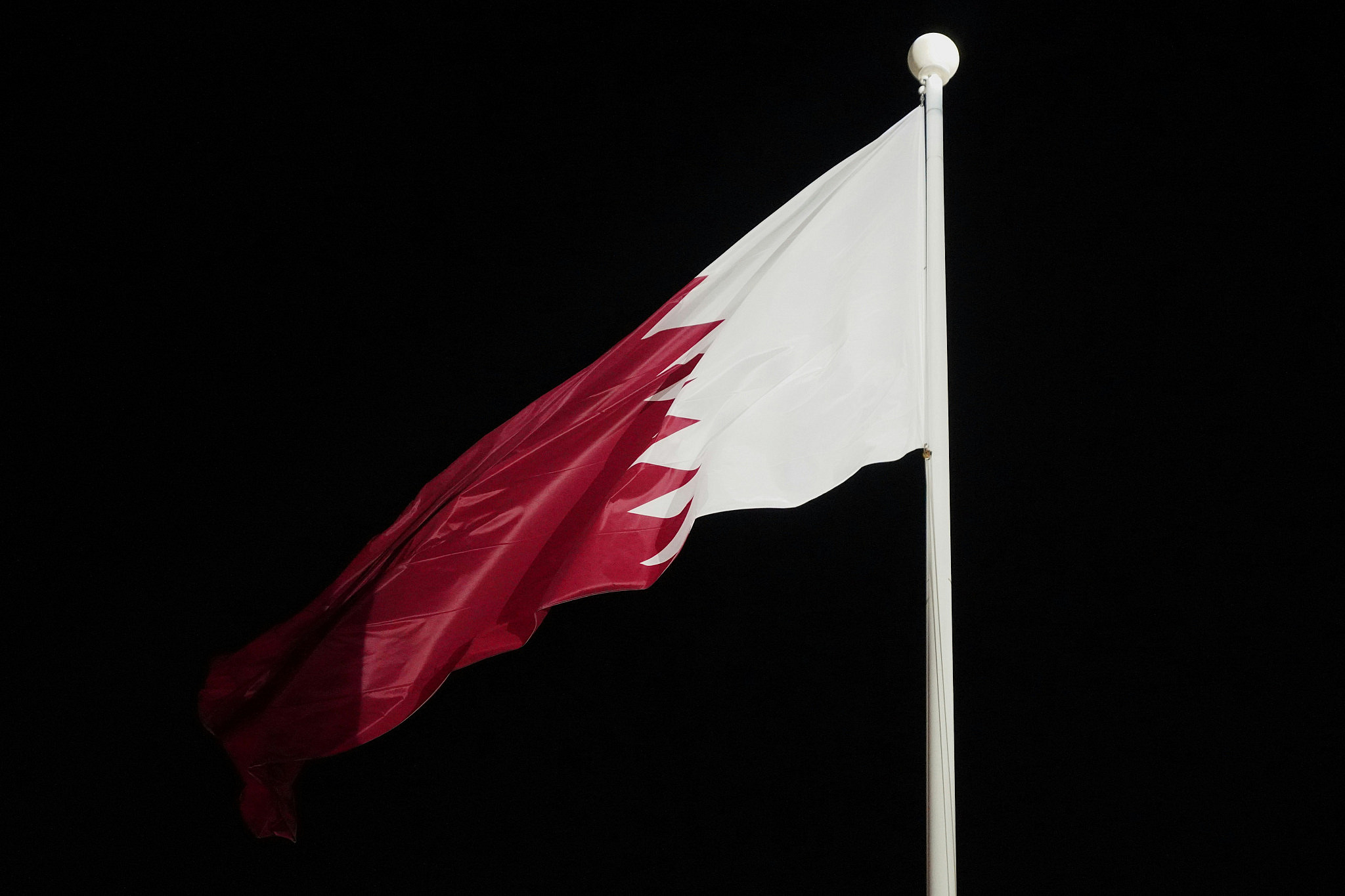
Qatar is widely described as a close ally of the United States, yet at the same time, it has been one of the main supporters of the Muslim Brotherhood. Doha has hosted many of the movement’s senior leaders, including the late Sheikh Yusuf al Qaradawi, who issued religious rulings that encouraged Hamas to carry out suicide attacks against Israeli civilians. Qatar has also hosted Hamas leaders for years and, until recently, allowed Taliban officials to operate freely on its soil.
While presenting itself as a trusted partner and an intermediary between the United States and the Taliban and between Hamas and Israel, Qatar has supported groups that are considered extremist by much of the Arab world and by the West. Qatar has backed al-Qaeda-linked factions such as Jabhat al-Nusra and other organizations the United States lists as terror groups. Despite this, Qatar has never lost the support of Washington, and the United States continues to operate one of its largest military bases in the world on Qatari soil. This has allowed Qatar to present itself as an essential ally while pursuing policies that have destabilized the region.
Many of Qatar’s neighbors saw this clearly. In 2017, Egypt, the United Arab Emirates, Saudi Arabia, and Bahrain cut relations with Qatar and imposed a full embargo. They shut all borders on land, in the air, and at sea. Turkey stepped in immediately to support Qatar by sending food, supplies and even military forces. Under President Erdogan, Turkey has grown closer to the Muslim Brotherhood and naturally rushed to protect Qatar from the pressure of the Arab states.
Instead of meeting the demands of its neighbors, Qatar hired major public relations firms in the United States to change its image and win favor with the Trump administration. It portrayed itself as a true ally and attempted to counter the accusations that it was harboring and funding terror groups. In 2021, through United States and Kuwaiti mediation, the four Arab states restored relations with Qatar. But the embargo simply pushed Qatar even closer to Iran and Turkey and increased its determination to expand its influence.
Qatar has also grown its footprint in the West. It has donated more than six billion dollars to American universities since the late 1980s and has increased its lobbying efforts in Washington. At the beginning of 2025, Qatar even gifted a private jet worth four hundred million dollars to President Trump. All of this helped Doha strengthen its position as a player that cannot be ignored.
In Gaza, Qatar sent tens of millions of dollars to Hamas with Israel’s quiet approval. The idea was that money would prevent Hamas from attacking Israel and help the group focus on civilian needs. The events of October 7 destroyed that assumption. Hamas murdered more than one thousand two hundred people, kidnapped over two hundred fifty others, and shocked Israel to its core. Israel immediately stopped the Qatari payments and later banned Al Jazeera from broadcasting in Israel and in Judea and Samaria.
Even after banning Al Jazeera, Israel continued to let Qatar act as a mediator with Hamas in the hope of securing the release of hostages. Qatar claimed it was pressuring Hamas, but progress was slow and strained. Toward the end of 2025, Hamas refused to move from its demand that Israel completely withdraw from Gaza. On September 9, 2025, Israel bombed what it identified as Hamas headquarters in Doha and almost succeeded in eliminating senior Hamas leaders outside Gaza.
The Trump administration condemned the strike and insisted it had not been informed. President Trump told Israel he would not allow attacks on Qatar again, and shortly after, he signed a mutual defense agreement with Qatar. During Prime Minister Netanyahu’s visit to Washington, Trump arranged a call between Netanyahu and the Qatari prime minister and convinced Netanyahu to express regret for violating Qatari airspace and mistakenly killing a Qatari citizen. Soon after, a ceasefire was declared under the twenty-point Trump plan, which aimed to dismantle Hamas and demilitarize Gaza. It eventually led to the release of almost all hostages.
Today, Qatar is trying to shift the blame away from Hamas by claiming that no ceasefire can be complete until Israel fully withdraws from Gaza. This reveals Qatar’s intention to return to the prewar status quo, where it funded Hamas after each round of fighting and helped preserve the cycle of violence.
Israel and the United States must recognize Qatar’s intentions regarding Hamas and the Gaza Strip. Qatar should not be allowed to regain the influence it enjoyed before the war. The United States and hopefully some Western Countries are beginning to wake up and are moving to label branches of the Muslim Brotherhood as terror groups. A bill in the United States Congress even seeks to designate all of its chapters as terror organizations, including those stationed in Qatar, Turkey, and Syria.
Qatar has perfected the art of presenting itself as a partner while supporting extremist movements. The future of Gaza and the stability of the region and much of the world depend on finally confronting this reality.