
Rav Papa Kanaani™: A Luxury Brand Inspired by the Kanaani Cat
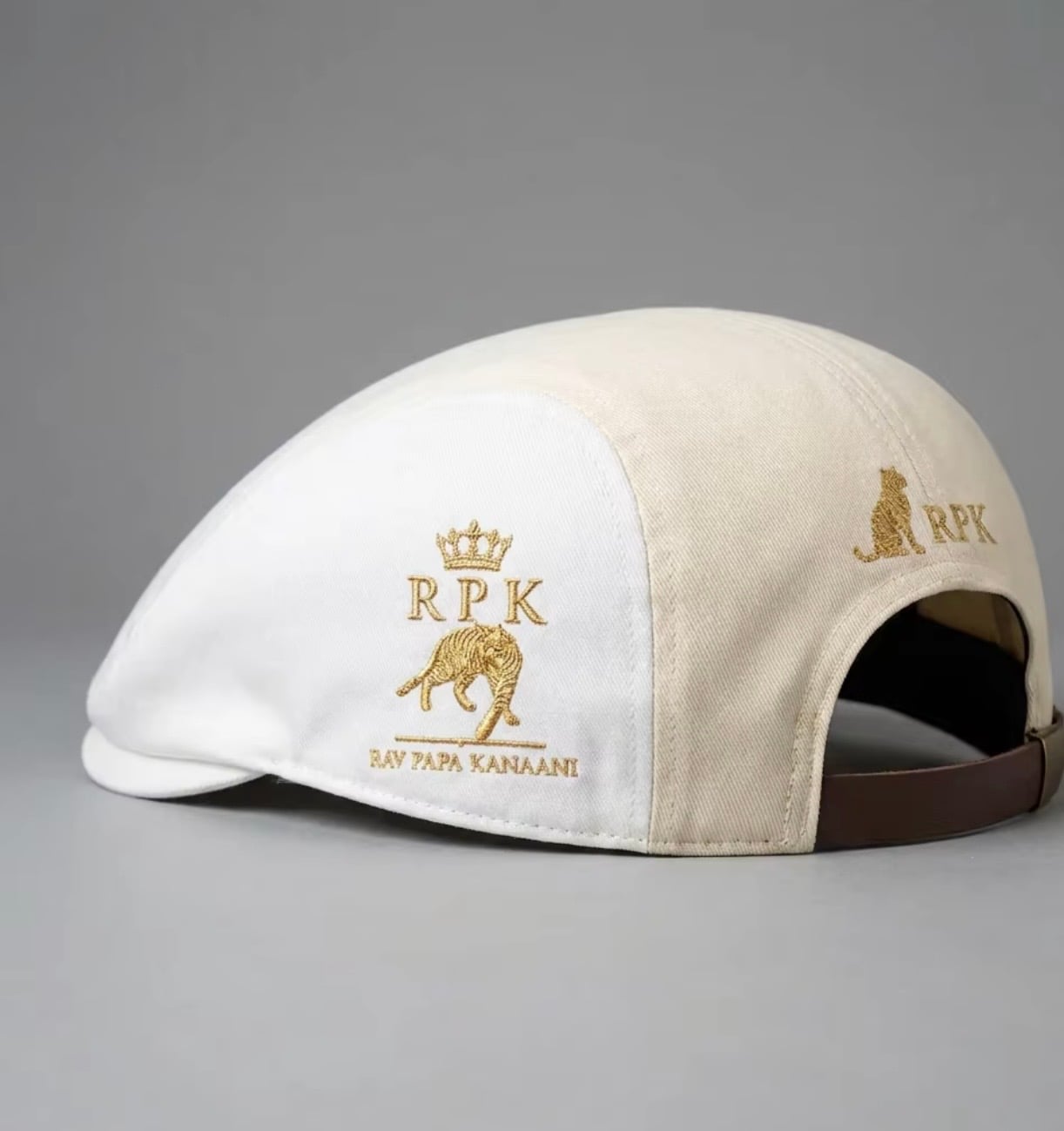
When people think of fashion brands inspired by animals, they often think of jaguars, pumas, horses, or crocodiles. Few would imagine that one of the world’s rarest cat breeds could become the inspiration for a luxury headwear concept.
Yet that is exactly what happened.
The Kanaani is the only national cat breed of Israel. Developed from local Israeli cats and their regional ancestors, it represents a unique part of Israel’s natural and cultural heritage. Today, however, the breed remains extremely rare and is at risk of disappearing from organized breeding programs.
For me, the Kanaani cat is more than a breed. It is a living symbol of Israel’s history, resilience, elegance, and quiet strength.
I am an ordained rabbi through the Jewish Spiritual Leaders Institute, an Animal Chaplaincy trainee with the Compassion Consortium, and a Doctor of Ministry student at the Graduate Theological Foundation. Much of my recent work has focused on animal welfare, spiritual care, and the preservation of the Kanaani cat.
Over time, I came to an important realization. Conserving a rare breed requires more than affection. It requires visibility, public awareness, veterinary care, registration work, participation in exhibitions, and financial resources. A breed cannot survive if people do not know it exists.
As I looked around the world of branding and design, I noticed that many successful companies draw inspiration from animals. Yet the Kanaani—an elegant and distinctive Israeli cat—remained largely unknown outside a small circle of enthusiasts.
That observation became the foundation of Rav Papa Kanaani™.
The project began as a personal design concept centered around luxury flat caps inspired by the Kanaani cat. The goal was not simply to create another fashion accessory, but to tell a story. The crown, the gold embroidery, the silhouette of the Kanaani cat, and the emphasis on craftsmanship were all intended to reflect dignity, heritage, and identity.
As the concept developed, I shared the designs with manufacturers, consultants, and industry professionals in Portugal, China, Poland, Romania, Latvia, Ukraine, and the United States.
Not everyone replied, and not every conversation continued. That was expected.
What surprised me were the reactions themselves.
One international manufacturing consultant described the concept as “absolutely stunning” and praised its strong personality and sophisticated luxury aesthetic. A Portuguese headwear manufacturer responded to one of the renderings with a simple but enthusiastic word: “Amazing.”
Those responses taught me something important.
Manufacturing expertise can produce a beautiful hat, but before a hat can be manufactured, someone must imagine it. Technical knowledge is essential, yet every product begins with an idea.
I am not a professional fashion designer. My background is in education, Jewish studies, chaplaincy, and animal welfare. Perhaps that is precisely why I approached the project differently. I was not trying to follow fashion trends. I was trying to tell the story of a breed that deserves to be remembered.
The more I worked on the concept, the more I realized that Rav Papa Kanaani™ was becoming something larger than a single item of clothing. It was becoming another platform through which people could learn about the Kanaani cat and the efforts to preserve it.
Some people support conservation through research. Others through breeding programs, education, philanthropy, or public advocacy.
This project represents another path: conservation through culture, storytelling, and design.
The Kanaani cat may be one of the rarest cat breeds in the world, but rarity does not diminish value. Sometimes it increases it.
What began as a personal effort to help preserve Israel’s only national cat breed has unexpectedly evolved into a luxury headwear concept inspired by that mission.
Whether Rav Papa Kanaani™ ultimately remains a small artisan project or grows into something larger, its purpose remains unchanged: to ensure that the story of the Kanaani cat continues to be told.