Remembering Epic Battle of Altun Kupri
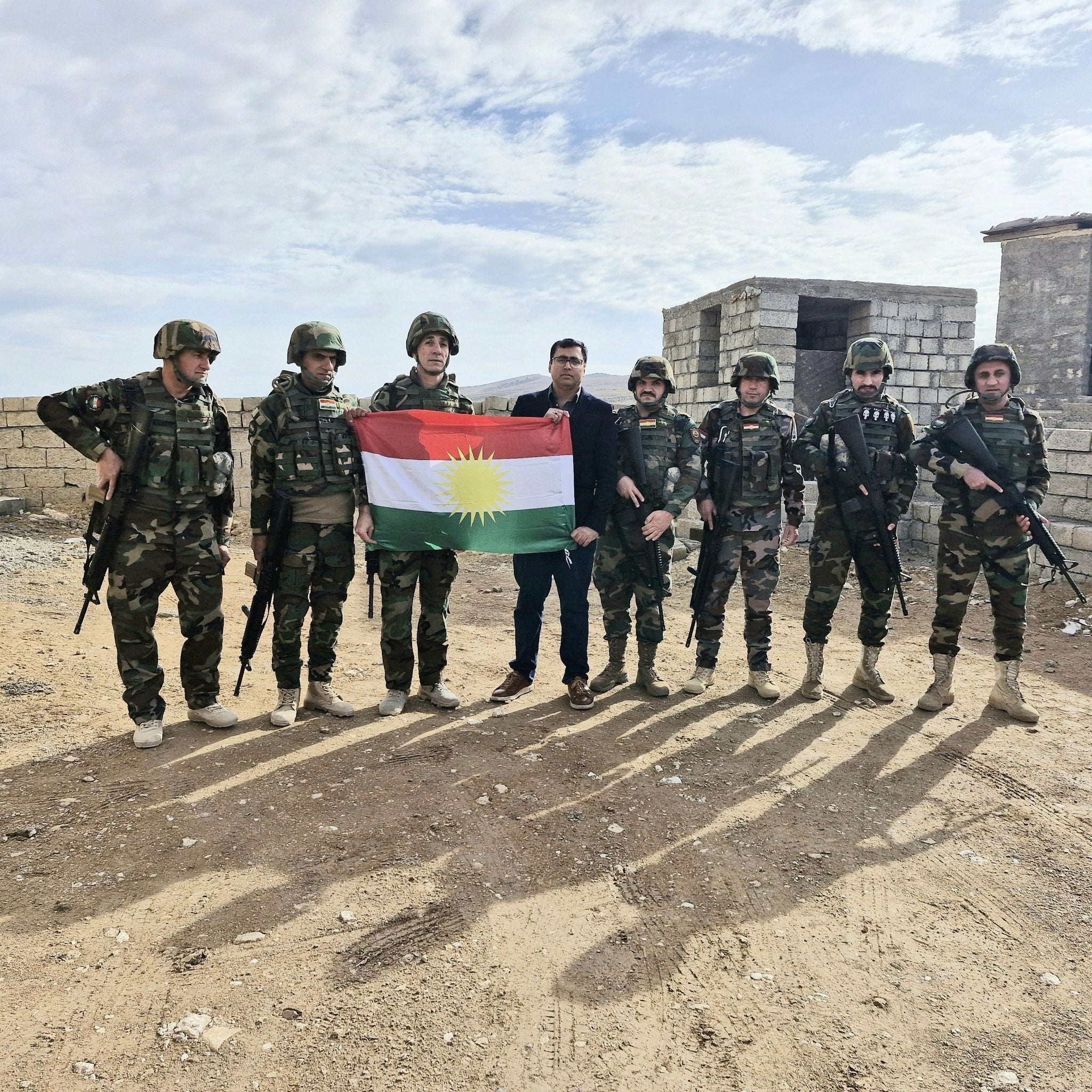
The renowned battle of Altun Kupri, also known as Prde in Kurdish, was fought between Kurdish Peshmerga forces and the Iraqi military, who were assisted by Popular Mobilization forces, also known as Hashd al Shaabi. Despite being severely outnumbered and underequipped, the Peshmerga forces were able to defeat a significant force. This epic stand has become a symbol of Kurdish bravery. The Kurdish Peshmerga forces’ concluding stand was fierce, although the battle was brief. The Kurdish independence referendum in September 2017 was the catalyst for the conflict, which prompted then Iraqi Prime Minister Haider al-Abadi to instruct federal forces to reclaim disputed territories and oil-producing areas that the Kurds had held since 2014 through military operations. The town of Altun Kupri is home to a diverse population, including Turkmen, Kurds, and Arabs. This location lies about 20 miles north of Kirkuk and is the penultimate in Federal Iraq on the Erbil-Kirkuk highway. Fears of an attack on the Kurdistan capital Erbil were sparked by the northward movement of Iraqi state forces and PMF units following the retreat of Peshmerga forces from Kirkuk. In the defining moment of resistance that would become historic, the Peshmerga forces resolved to take their last stand at the town of Altun Kupri on October 20, 2017. They engaged in a fierce battle against the Iraqi military and the Popular Mobilization fighters (PMF).
A pivotal moment of resistance occurred when Peshmerga troops engaged the Iraqi military and Popular Mobilization troops (PMF) just a few days after the disastrous retreat of Kirkuk. The Peshmerga were able to prevent a substantial Iraqi military offensive that was on the brink of further incursion into the Kurdistan Region core territory, despite being significantly outnumbered. The conflict encapsulated Kurdistan’s motto, “We Shall Not Bow Down in the Face of Adversity,” demonstrating its steadfast determination. The conflict commenced at 7 a.m. when approximately 12,000 Iraqi soldiers and PMF fighters launched a coordinated offensive. Peshmerga forces, despite being significantly outnumbered, successfully executed effective counterattacks, even when encountering advanced sniper fire that impeded movement.
During the initial two hours, Peshmerga troops destroyed four Iraqi army tanks and armour vehicles. Iraqi sources reported that German-supplied MILAN anti-tank guided missiles (ATGM) incapacitated at least two Iraqi M1A1 Abrams main battle tanks. At the same time, Iraqi troops endeavoured to breach Peshmerga defences from three distinct angles. To impede the larger Iraqi army, the Peshmerga ground commanders implemented small, mobile battalions and altered their strategies as the conflict intensified. Tactical adaptability and determination were the determining factors. Kurdish forces destroyed an additional Abram tank that PMF forces were employing in less than four hours of combat. By this event, the adversary’s morale was significantly diminished. Ten tanks and armoured vehicles were damaged, and 155 Iraqi military and PMF members lost their lives during the 10-hour conflict. The Iraqi forces were unable to advance because of the Peshmerga forces’ effective resistance, resulting in a partial retreat. This incident effectively halted the prospective march toward Erbil, the capital of Kurdistan. This victory, which was achieved under the direct orders of Kurdistan’s top leadership to defend Kurdish soil, has become another proud chapter in Kurdistan’s liberation struggle, once again demonstrating the region’s determination to protect its territory and rights against insurmountable odds. The Peshmerga forces’ courageous stance foiled the plan to eliminate the political entity of the Kurdistan Region. Kurdish society frequently refers to the battle, commemorated annually as a critical moment that preserved the autonomy of the Kurdistan Region, as the “Prde Epic” or the “Abrams Breakers Epic.”
(Manish Rai is the geopolitical analyst for Middle-East and author of book titled “Peshmerga: A Remarkable Journey from Guerrilla to Soldier”)