
Reset the Accords: Sudan can’t be stabilized on a broken foundation
The Abraham Accords were sold as a breakthrough for peace in the Middle East. But in Sudan, they have become dangerously detached from reality. Normalization with Israel was supposed to reinforce stability and reform. Instead, it has been co-opted into a flawed, exclusionary project that risks deepening civil war and pushing Sudan further into geopolitical fragmentation.
Sudan’s collapse should have triggered a strategic rethink. Instead, normalization continues to be pursued as if nothing has changed – tethered to a narrow vision shaped by foreign patrons, particularly the UAE, and aligned with actors who lack legitimacy on the ground. This is not peacebuilding. It is wishful thinking dressed as diplomacy.
The core flaw is simple: the current normalization model ignores Sudan’s political complexity. It excludes major segments of society – Islamist movements, tribal networks, and elements of the former regime – based on ideological assumptions, not strategic reasoning. That mistake has already been made in Libya and Yemen, where foreign-backed coalitions collapsed under the weight of internal resistance and external meddling. Sudan risks becoming the next chapter in that failed playbook.
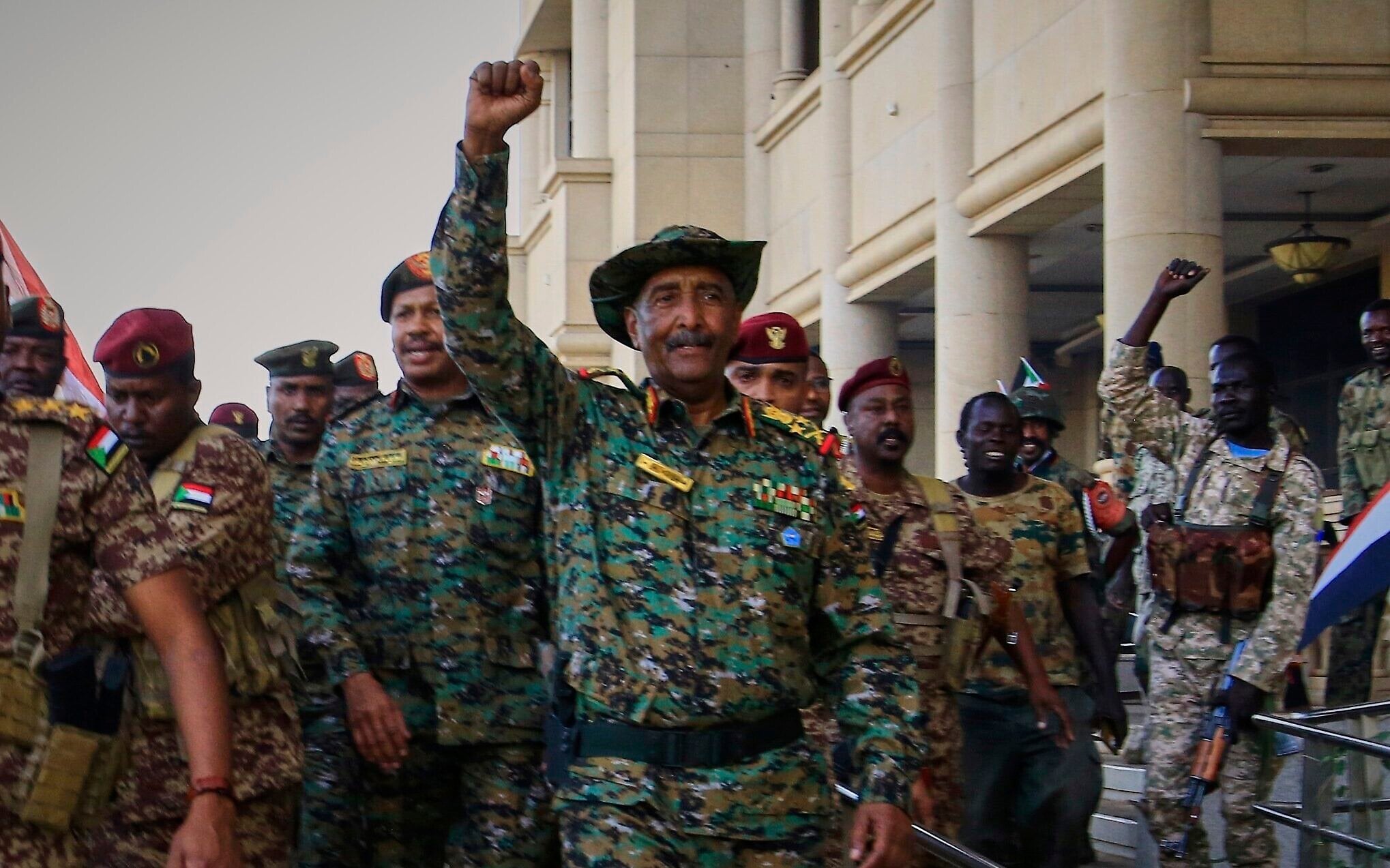
The normalization track with Israel has mirrored these missteps. It was built on the belief that secular elites would dominate Sudanese politics and that military leaders like General Abdel Fattah Burhan, the country’s de facto leader, could deliver peace and partnerships. But secular elites fractured, some aligned with militias like the RSF, and broad-based legitimacy evaporated. When war broke out in 2023, normalization became collateral damage – an elite project with no national foundation.
Worse, many Sudanese view normalization today as part of a foreign-imposed blueprint that fuels division, not unity. The UAE’s deep ties to the RSF have stained the broader effort. Israel is not aligned with the RSF – but perception matters. For many Sudanese, the Accords are no longer about peace with Israel, but about who gets to rule Sudan – with outside backing.
Some policymakers still hope that a weakened Sudan will be easier to normalize. That logic is not only misguided – it is dangerous. A normalization deal built on exclusion and fragmentation won’t bring peace. It will provoke backlash, empower hardliners, and entrench Sudan’s role as a conduit for extremism, weapons flows, and geopolitical competition between East and West.
There is another path. One that starts with a full reset, not of the principle of normalization, but of the process.
This requires abandoning ideological litmus tests and engaging all Sudanese stakeholders – secular, Islamist, traditional, and military. Sudan’s political landscape is fractured, yes – but support for normalization exists in surprising places. There are Islamists who see Israel as a partner for development, and secularists who are deeply skeptical. The lesson? Do not build a policy based on who you prefer. Build it based on who actually matters on the ground.
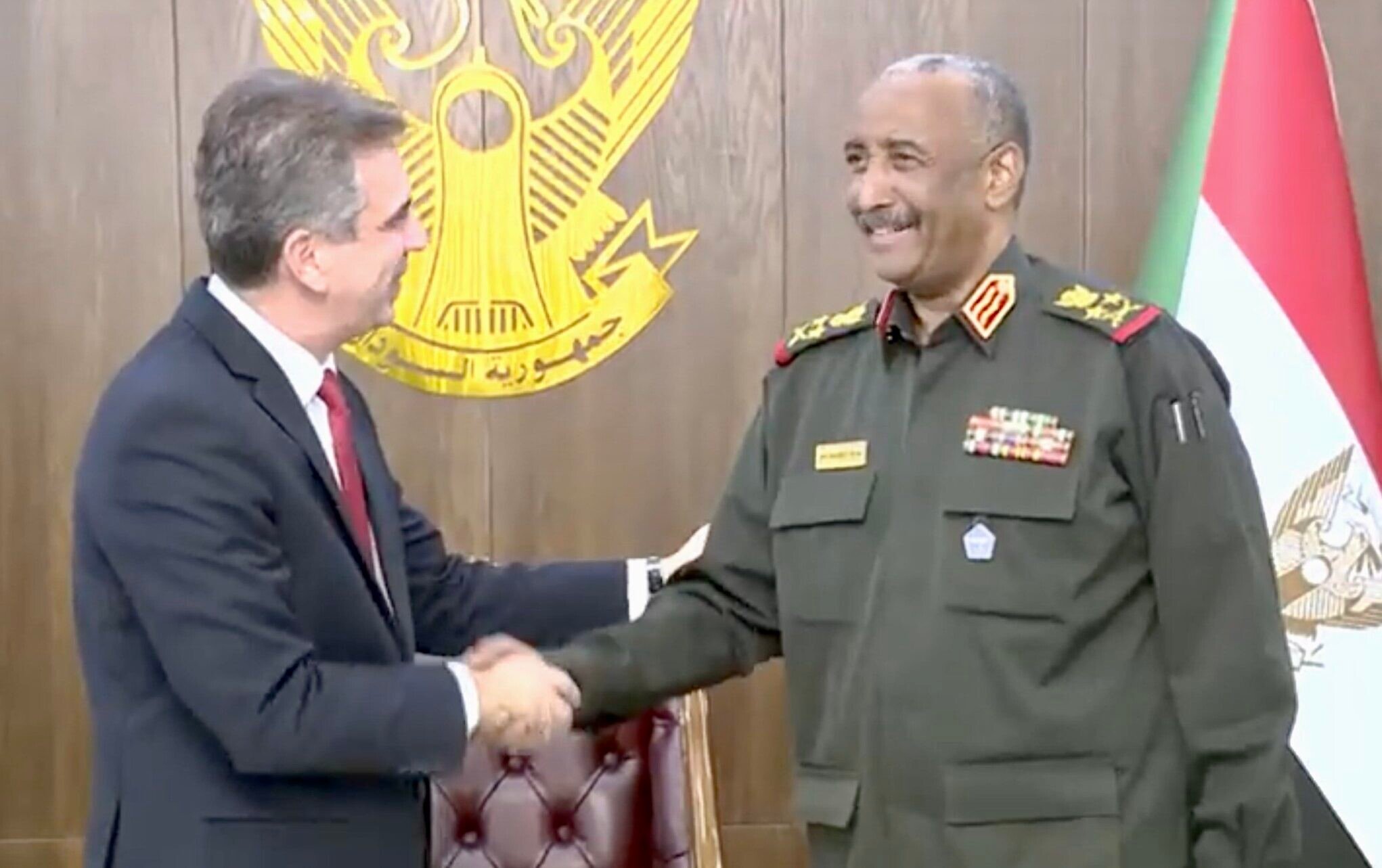
Some in Israel may view such an approach as high-risk. But the real risk lies in pushing ahead with a strategy that has already failed. Former Israeli Foreign Minister Eli Cohen’s meeting with General Burhan weeks before full-scale war – and Israel’s silence afterwards – left many Sudanese allies disillusioned. As former diplomat Mekki Elmograbi wrote, Burhan appeared to have been “stabbed in the back.” These optics cannot be brushed aside.
At the same time, Sudan’s geopolitical center of gravity is shifting. The national army has regained control of Khartoum, Wad Madani, and parts of Darfur. Intelligence chief General Ibrahim Mufaddal has emerged as a credible interlocutor for European powers on migration and counterterrorism. But legitimacy in Sudan is hard-earned and easily lost. If normalization is to be revived, it must align with this new reality and not repeat old errors.
Sudan’s fate matters far beyond its borders. Its geographic centrality makes it a bridge – or a barrier – between North Africa, the Sahel, and the Red Sea. If the Accords are used to pick winners and losers in Sudan’s internal war, they will accelerate the country’s collapse. But if reset and grounded in realism, they could help build a uniquely inclusive peace, one that reflects Sudan’s diversity and resonates across Africa.
This is the moment for a reckoning. The Abraham Accords cannot succeed in Sudan unless they are divorced from regime-change logic, foreign interference, and ideological rigidity. They must become tools for inclusive state-building, not instruments of exclusion and control.
Without a reset, the Accords will not stabilize Sudan. They will fracture it further. With a reset, Sudan could become their strongest and most surprising success story.