Scholarship Fund Raises R$49.5M, Secures Studies for 865 Students
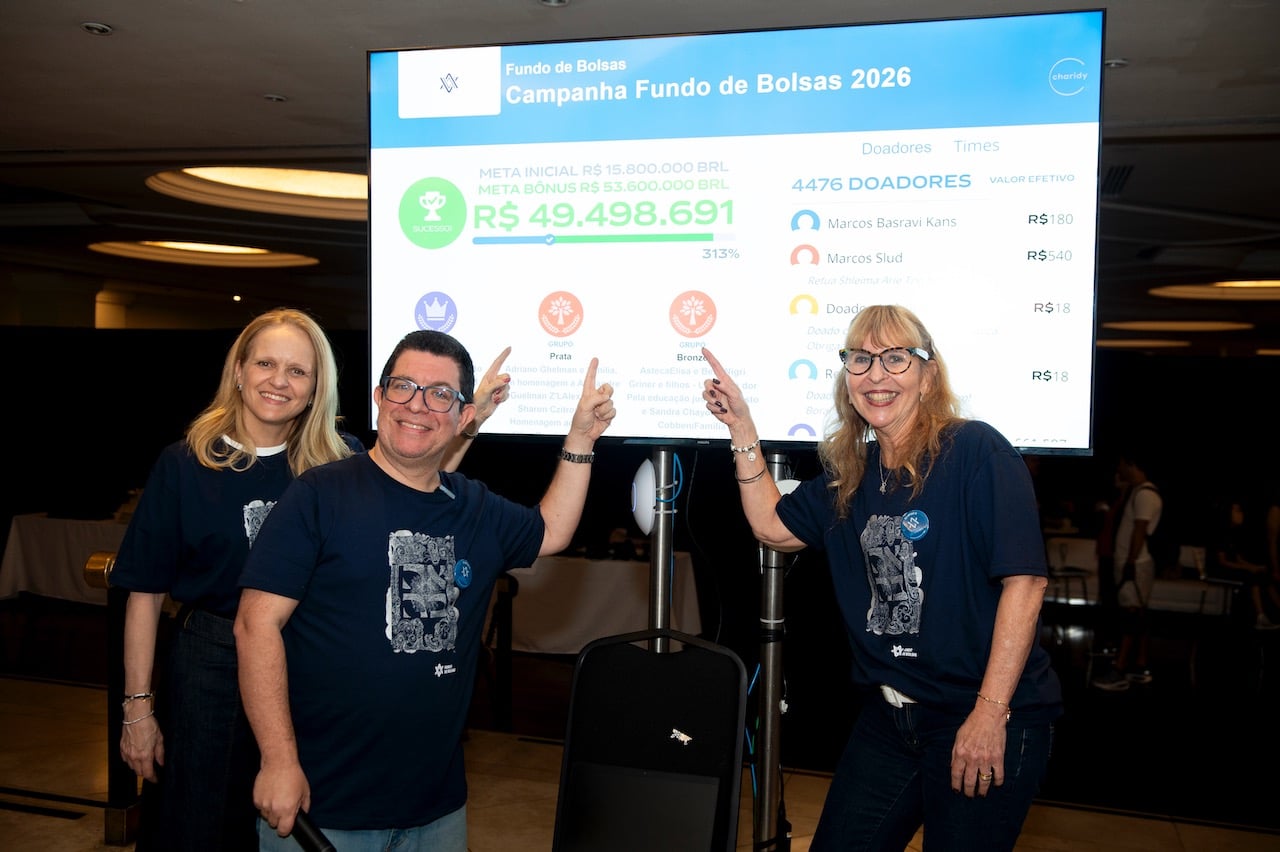
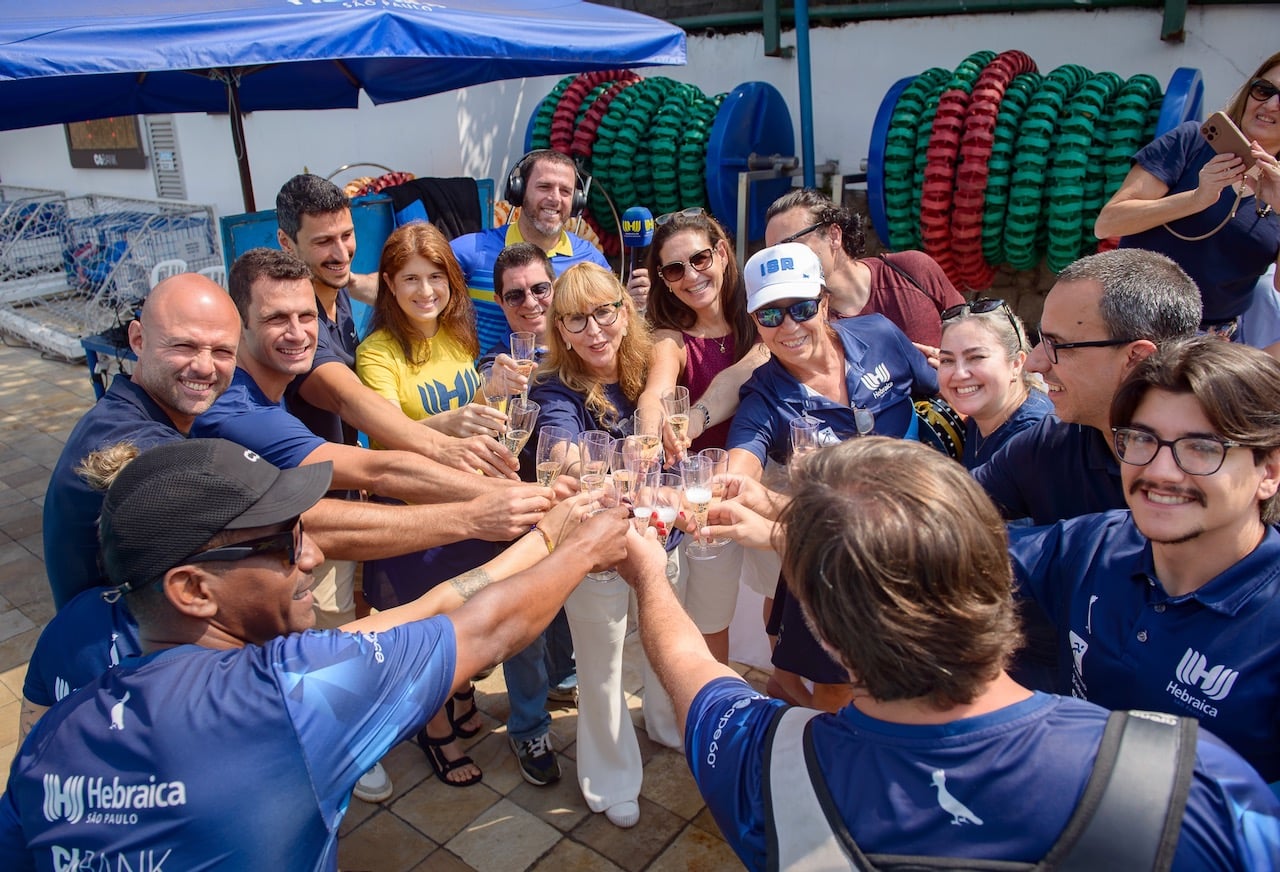
The campaign mobilized 4,518 donors and hundreds of volunteers; the closing event at Hebraica was marked by emotion and celebration with a traditional “Le Chaim.”
The Annual Scholarship Fund Campaign of the Jewish Community of São Paulo concluded on Monday evening (31) after a week of intense mobilization, raising R$ 49,571,392 with the participation of 4,518 donors. The result ensures another year of schooling for the 865 children and young people supported by the program.
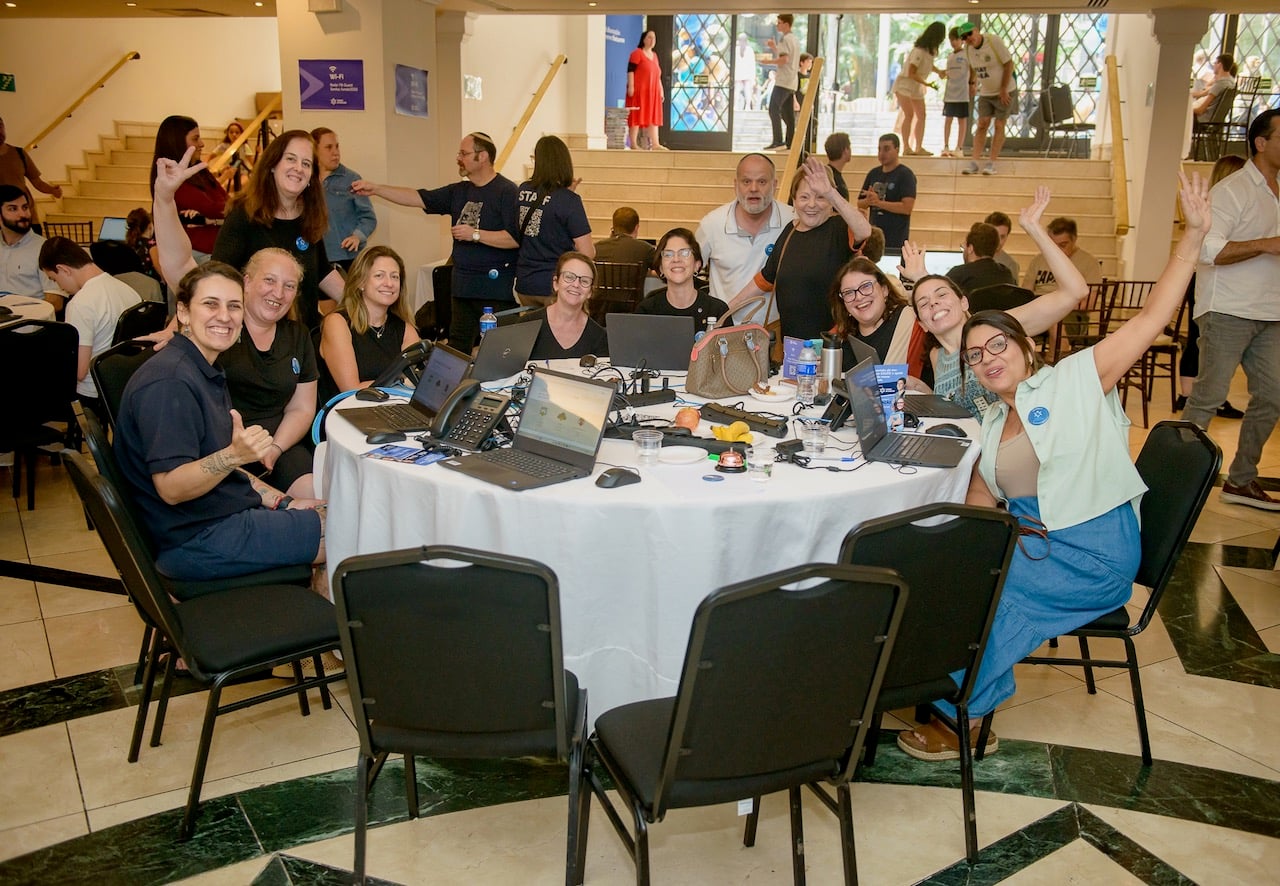
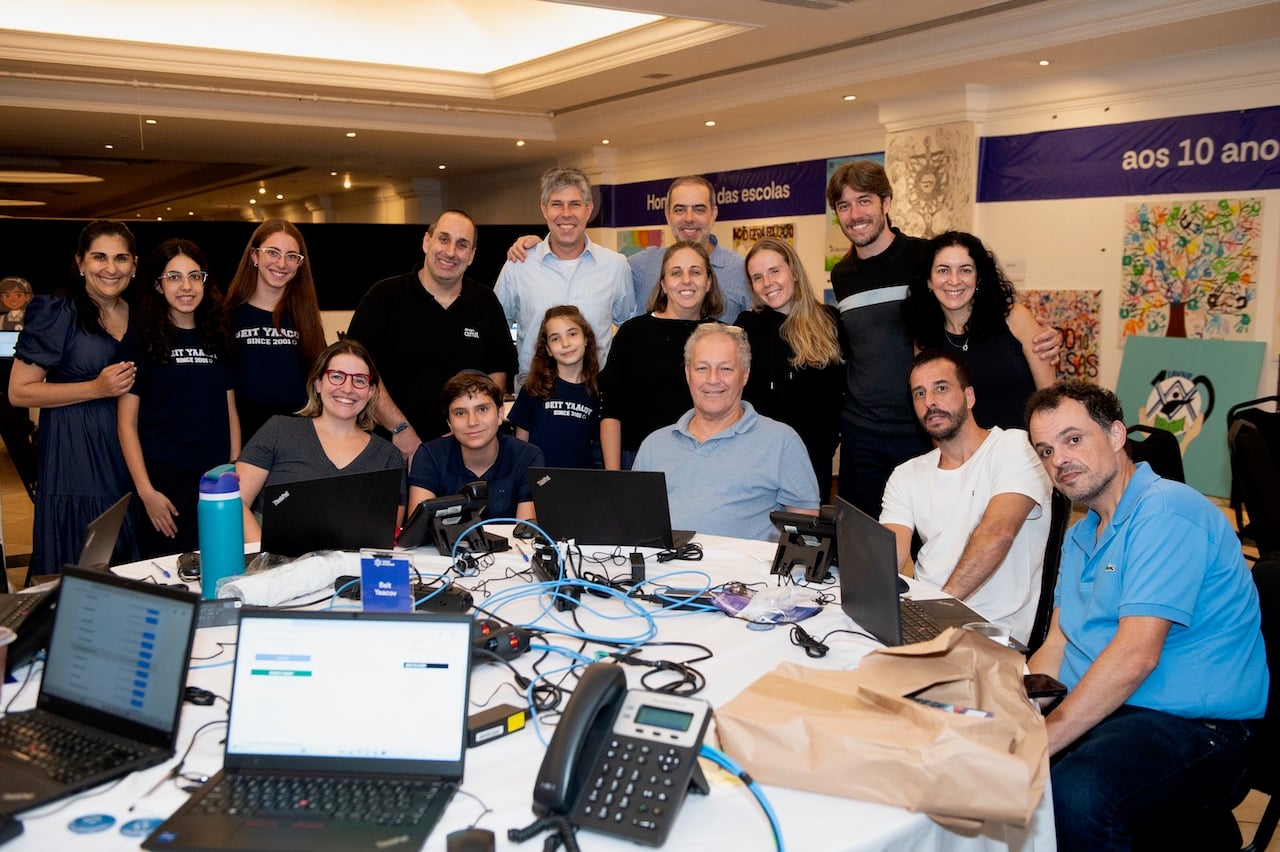
The closing ceremony took place at the Marc Chagall Hall at Hebraica, where volunteers, supporters, and representatives of the institutions involved gathered to witness the final hours of fundraising. After a suspenseful finish, the campaign ended in an atmosphere of emotion and celebration, sealed with a “Le Chaim” – the traditional Jewish toast to life.
This year’s goal was R$53.6 million, a figure that would have covered not only tuition fees but also enrollment and meals. Although the full target was not reached, the amount raised guarantees that all students will remain in school and may, after evaluation, also support enrollment and meals for those most in need.
It was incredibly moving, especially in the final stretch, when volunteers and donors intensified their efforts and we reached a result that secures all students for another year. We are very happy and proud of this campaign, said Dov Bigio, coordinator of the Scholarship Fund Campaign.
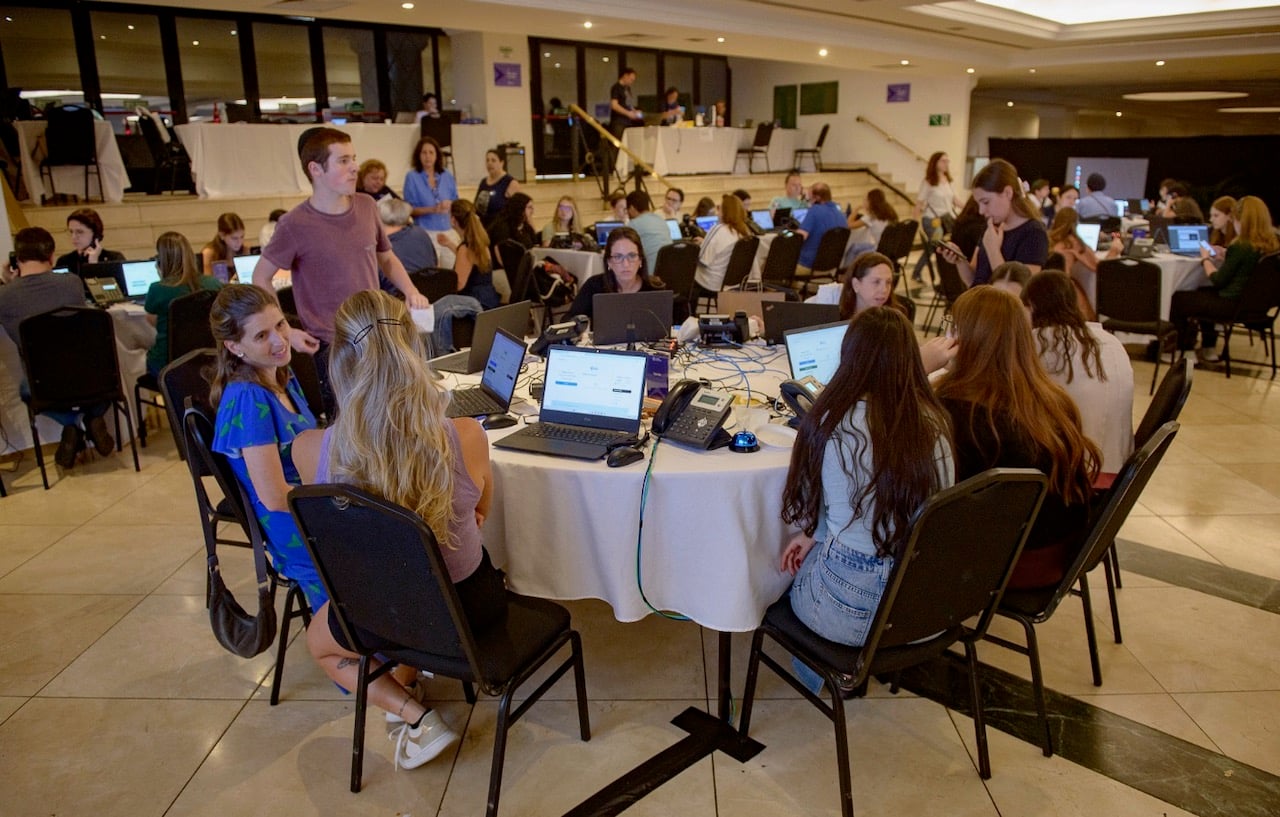
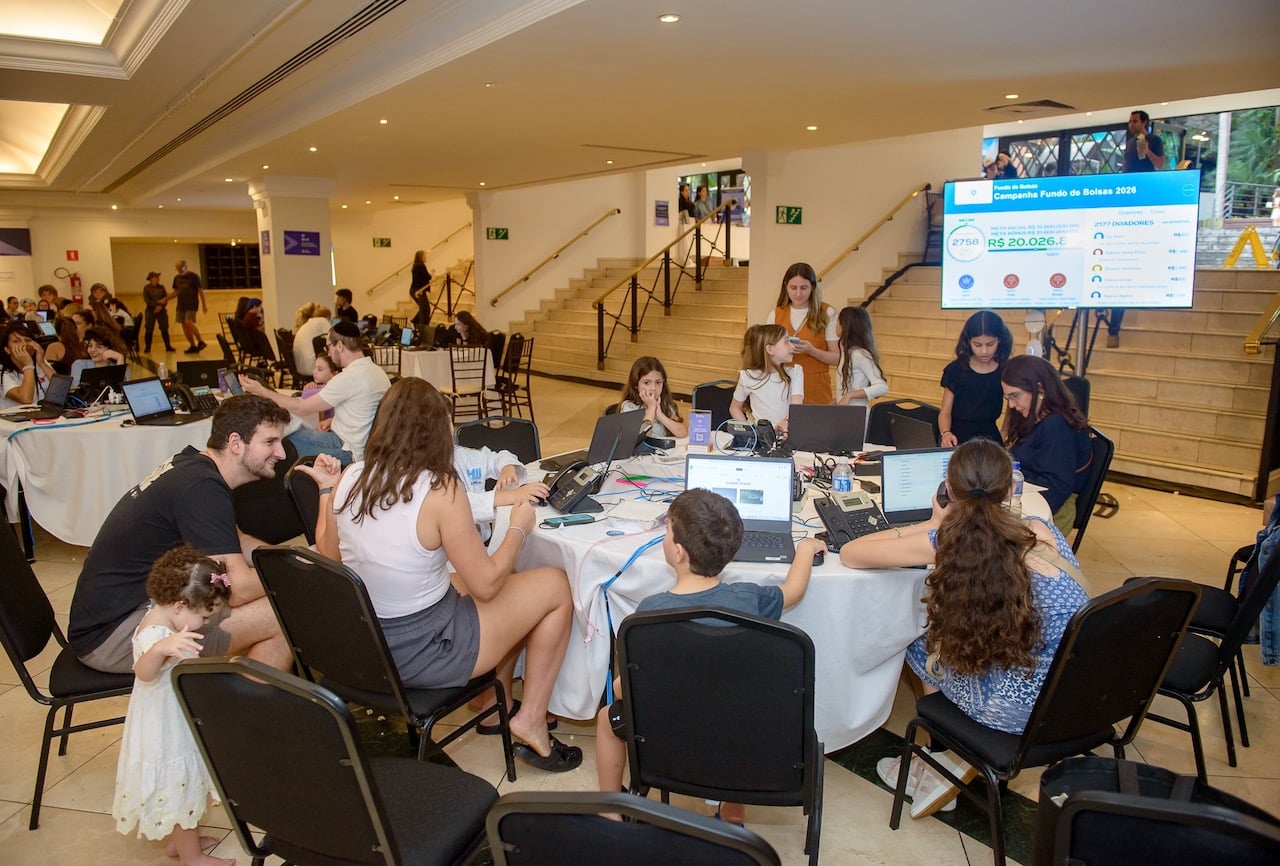
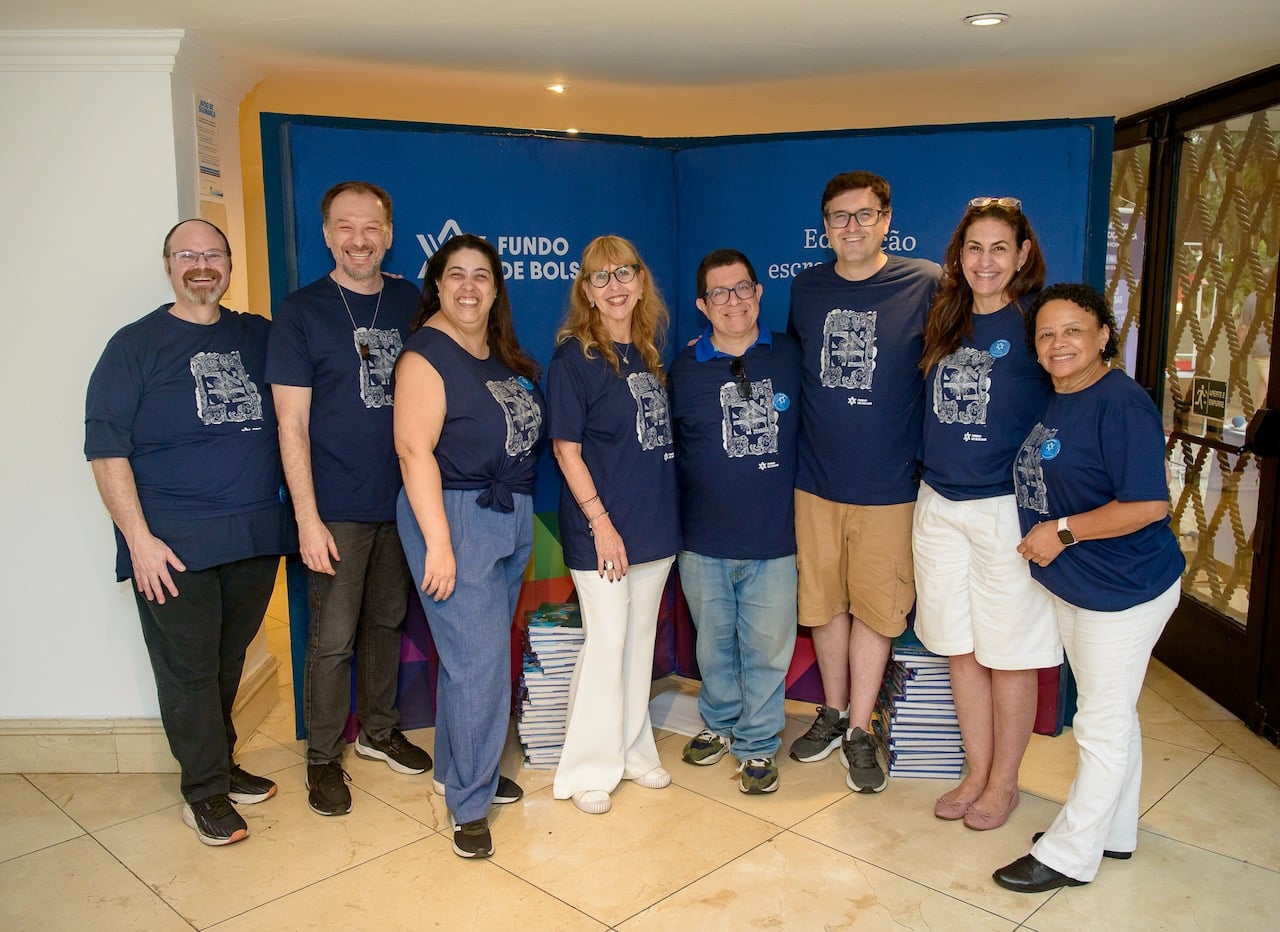
Volunteer work was one of the campaign’s main pillars. Around 500 people took part in the large-scale action during the final two days, reaching out to potential donors and engaging different sectors of the community in support of the cause.
For Joseph Nigri, the campaign once again demonstrated the community’s collective strength:
It was another show of unity. Yes, we fell slightly short of the goal, but we raised a very significant amount that will help many people. The community came together and embraced this cause. The role of the volunteers was essential: some donated, others worked, asked, and raised funds. Everyone worked together. It was beautiful.
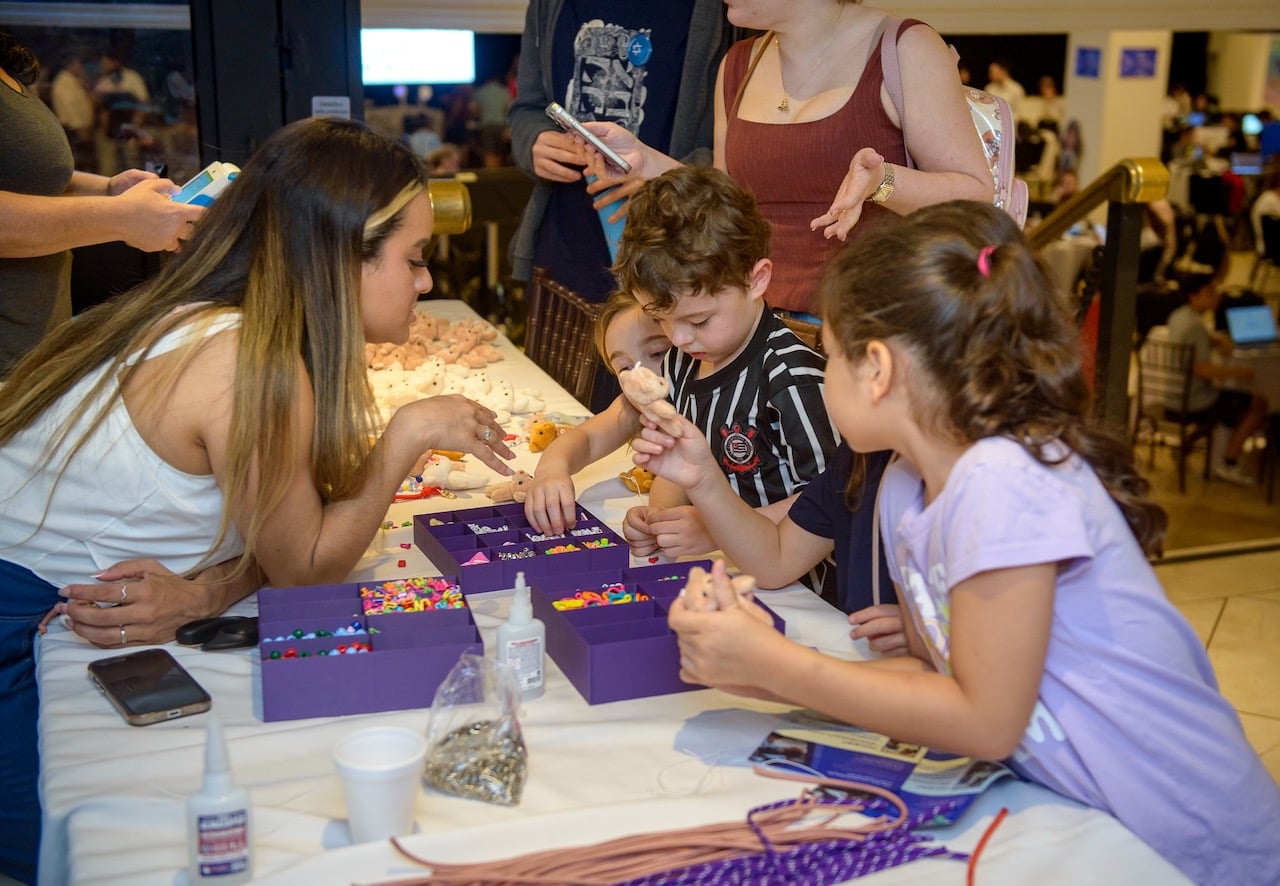
The mobilization spanned multiple fronts, bringing the community together throughout the campaign with special programming that included activities such as harkadá (Israeli folk dancing), swimming, and poker games, along with other initiatives that helped broaden engagement and keep the campaign present across different spaces in the community.
According to Mônica Cohen, head of fundraising for the Scholarship Fund, this collective involvement was one of the highlights of this edition.
Beyond the volunteers and schools, this year we saw institutions and organizations supporting us very strongly. We are part of an ecosystem, and if one organization is not well, none are well. It was beautiful to see organizations joining hands. The campaign’s outcome belongs to all these hands and initiatives—whether from individuals, volunteers, or institutions that supported us.
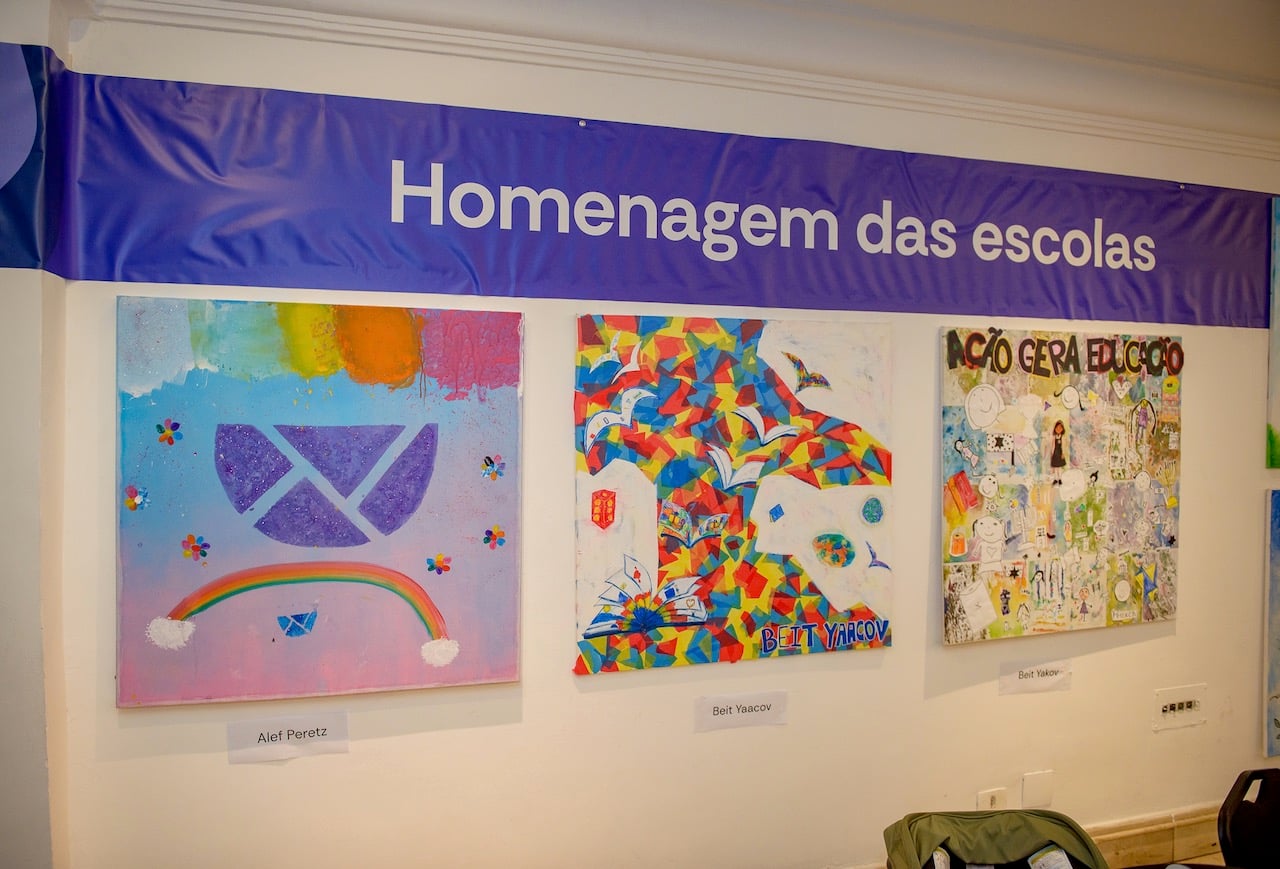
Held between August 24 and 31, the campaign was supported by the Jewish Federation of São Paulo (Fisesp) and brought together schools, institutions, volunteers, families, and donors around a common goal: ensuring that financial hardship does not interrupt the education of children and young people in São Paulo’s Jewish community.
Ricardo Berkiensztat, CEO of Fisesp, emphasized that the Scholarship Fund’s impact goes beyond financial aid:
The Scholarship Fund is one of the most important projects in the Jewish community because it enables many students to attend Jewish schools. These are excellent schools, comparable to the best in São Paulo, with the added value of providing Jewish life experiences and strengthening students’ ties to the community. It is a great project, and it is wonderful to be part of this mobilization.
At the end of the evening, more than the numbers, the collective “Le Chaim” symbolized the spirit of the campaign: a community united to secure education and a future for hundreds of children and young people.
Source: Liane G. Zaidler
-
- Screenshot