Brian McDonald

SDF-Syria deal Expires: Renewed War Looms
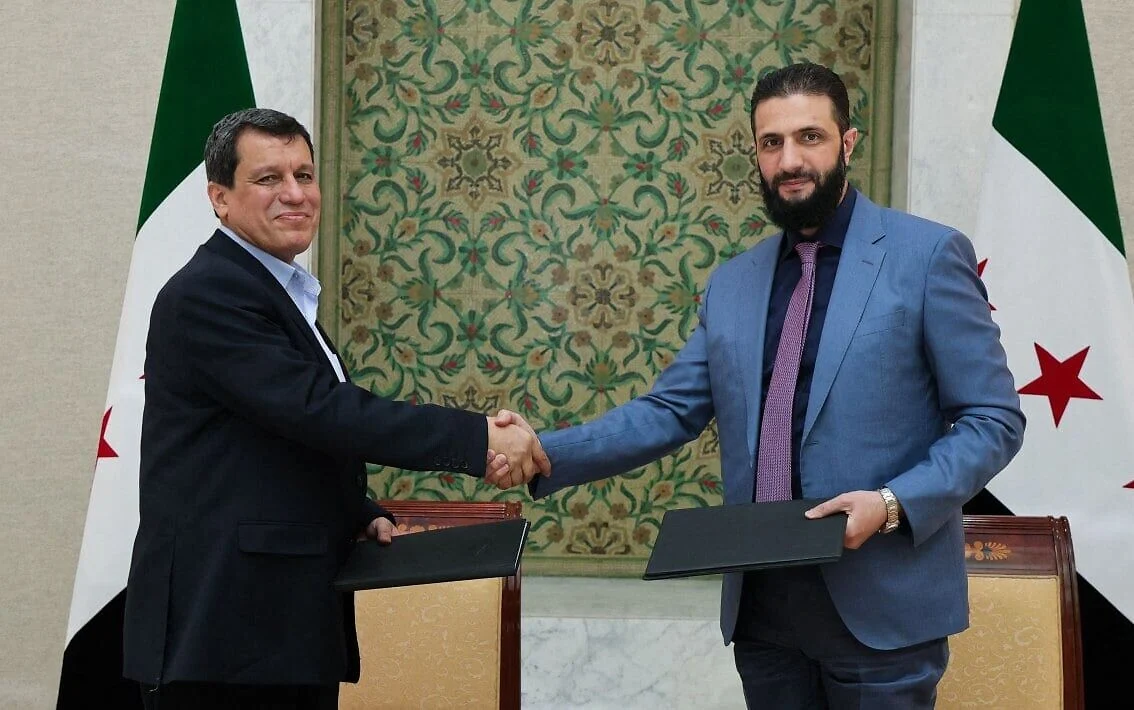
A handout picture released by the official Syrian Arab News Agency (SANA) shows Syria's interim president Ahmed al-Sharaa (R) shaking the hand of Syrian Democratic Forces (SDF) commander-in-chief Mazloum Abdi after the signing of an agreement to integrate the institutions of the semi-autonomous Kurdish administration in the northeast into the national government, in the Syrian capital Damascus on March 10, 2025. (Source; Times of israel/ SANA / AFP)
As midnight struck on December 31, 2025, the U.S.-mediated March 10 agreement mandating the integration of the Kurdish-led Syrian Democratic Forces (SDF) into Syria’s national army officially expired, plunging the nation into uncertainty. This comes amid December’s escalating buildup, with HTS, SNA, and Turkish forces massing near Manbij, Deir ez-Zor, and Raqqa, alongside skirmishes in Aleppo and mounting statements from Damascus and Ankara pressuring the SDF to dissolve and integrate under Jolani’s centralized rule. Syrian officials, including Interior Ministry spokespersons, have warned of enforcing “national unity” through legal measures, while SDF leaders reject the deadline as inflexible. No major clashes were reported immediately on January 1, 2026, but tensions remain high following recent skirmishes. According to reports from Al Jazeera and the Associated Press, the deal’s collapse stems from stalled talks amid mutual accusations of bad faith.

A Fragile Agreement Unravels

Signed in Amman under U.S. auspices after Bashar al-Assad’s fall, the pact aimed to unify Syria’s military by incorporating the SDF—controllers of northeastern Syria’s Autonomous Administration of North and East Syria (AANES)—into the central army. However, negotiations faltered over command structures, fighter numbers, and territorial control. Reuters and The New Arab highlight how the SDF used the interim period to bolster defenses, viewing the deal as a temporary shield against pressures from Damascus and Ankara. With the deadline passed and talks postponed  the stage is set for potential confrontation.

Image; X post showing recent area of control of the SDF and other parties in Syria.


Irreconcilable Visions: Ideological and Security Clashes
The core conflict lies in fundamentally opposing governance models: The SDF’s decentralized, inclusive system with communities like Kurds, Arabs, Assyrians, Yazidis, and Christians, multi ethnic, multhi faith, with strong roles for women—stands in stark contrast to Ahmed al-Sharaa’s (formerly Jolani) centralized, Sharia-influenced rule under Hay’at Tahrir al-Sham (HTS). AANES features democratic councils and frameworks, including local assemblies and co-chair systems for gender parity; though imperfect, it’s often regarded as one of the most democratic governed areas in the Middle East after Israel, per analyses from Al Jazeera and Carnegie Endowment.
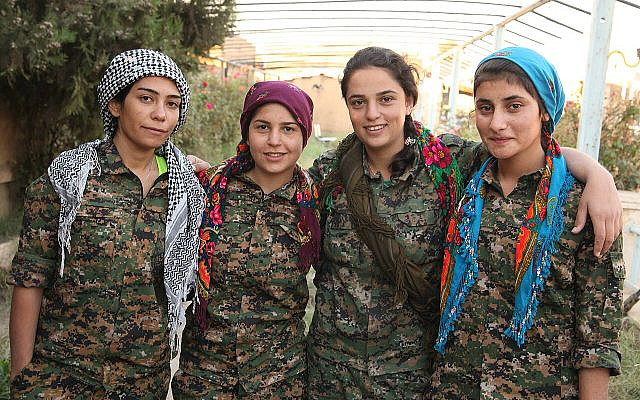
SDF Women members in a greenhouse farm, for ecological cooperative farming. (Source: Wikipedia)
Reports from Forbes and the Foundation for Defense of Democracies (FDD) document HTS’s 2025 track record of minority persecution, including Alawite massacres, Druze sieges in Suwayda, and Christian harassments. For the SDF, integration means vulnerability to hostile actors like Turkey, whose anti-Kurd policies and proxy Syrian National Army (SNA) have led to ethnic displacements. This includes ethnic cleansing in Kurdish areas around Afrin since 2018, with forced evictions and demographic changes, as well as recent violent clashes against largely Kurdish neighborhoods in and around Aleppo in December 2025. Turkish Defense Minister Yasar Guler’s December 31 pledge to support Damascus against the SDF, as reported by Hurriyet Daily News, underscores Ankara’s deep-seated animosity toward Kurdish autonomy.

Economic Incentives: The Battle for Oil Resources

Beyond ideology, economic stakes heighten the risk: SDF territories hold about 80% of Syria’s oil production, vital for Damascus’s reconstruction efforts. Jolani’s government has repeatedly framed reclaiming these fields in Raqqa and Deir ez-Zor as essential for national recovery. Additionally, SDF-controlled areas encompass much of Syria’s fertile agricultural lands—key for wheat, water resources, and food security—outside the coastal regions around Latakia and Tartus, as highlighted in Al-Akhbar and Rudaw reports. Al Jazeera and AP analyses suggest this resource grab motivates the push for integration, potentially funding a regime the SDF sees as existential threats. Losing these assets would cripple AANES’s self-sufficiency, making compliance untenable.

Inevitability of Hostilities: Troop Buildups and Recent Skirmishes

With irreconcilable differences and troop massings by Turkish, SNA, and Syrian forces near Manbij and Deir ez-Zor, widespread fighting appears inevitable. Late December clashes in Aleppo, which killed civilians and injured dozens before a fragile de-escalation, serve as a harbinger, per Reuters and Yahoo News. Turkey’s threats of military action if the SDF resists, echoed in AP and Chron reports, combined with the expired deadline, point to an escalation that could fragment Syria anew.

International Dilemma: U.S. and French Forces’ Role
The SDF’s Western partners face a moral quandary: The U.S. maintains 900 troops and France a smaller contingent in the northeast, born from joint anti-ISIS campaigns where the SDF lost over 12,000 fighters and now guards thousands of jihadists. France has hailed SDF-Damascus agreements for stability, per the French Ministry of Europe and Foreign Affairs, while supporting the SDF’s role in countering ISIS resurgence. The U.S., via Congressional Research Service reports, emphasizes the SDF’s importance in containing ISIS but grapples with broader policy shifts toward engaging Jolani’s regime for regional counter-Iran efforts. Yet, President Trump’s 2025 embrace of Jolani—lifting sanctions and hosting him at the White House, influenced by Gulf lobbying—prioritizes regional stability.
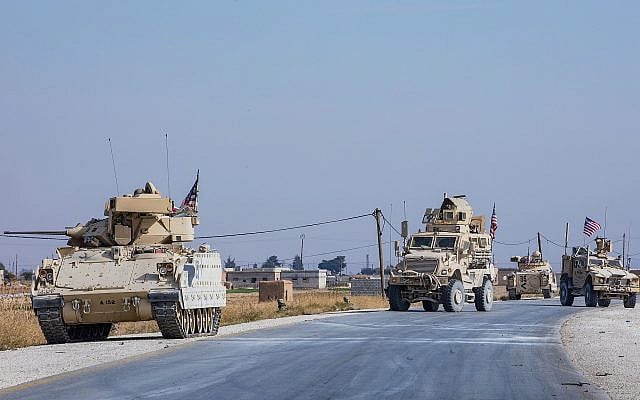
M2A2 Bradley IFVs of the 4th Battalion, 118th Infantry Regiment accompany a patrol in SDF territory Syria (Source; Wikipedia)
The question is whether the Trump administration will prioritise their longstanding ties to the kurds and SDF and moral debt to the kurds who sacrificed over 12000 fighters to defeat ISIS or if the more recent ties and support for jolani’s new syrian government and ties with Turkey whose leader Erdogan has been praised by Trump repeatedly. The concern is Trump might repeat past US betrayals of kurds like in Iraq after the first Gulf War.
If fighting resumes, France might advocate for de-escalation through EU channels, but limited troop numbers constrain direct intervention; the U.S. could provide air support to protect anti-ISIS assets but risks escalation with NATO ally Turkey. Even though Turkey doesnt operate in Syria with NATO protection as NATO protection only covers attacks on NATO territory and NATO missions. So officially NATO would not be involved as Turkish military activities in Syria are under Nato protection, but a direct clash between two major NATO members would strain NATO ties and possible lead to fractures within NATO
So if the US were to intervene it would likely use US economic leverage and arms leverage over Turkey instead and possibly position US troops between turkish forces and SDF to deter attacks but not directly clash.

Israel’s Strategic Stake: Potential Aid and Buffer Interests


Israel views SDF survival as aligning with its security: AANES acts as a buffer against Turkish expansion and Iranian influence, disrupting arms routes to Hezbollah despite HTS’s current Tehran cutoff. In response to SDF commander Mazloum Abdi’s 2024 aid pleas, reports from Reuters and Al Jazeera vary from humanitarian support to covert arms via Druze intermediaries. Israel’s airstrikes on Turkish basing attempts near Homs and Palmyra, as detailed in AP coverage, and its southern demilitarization enforcement further check Ankara and Damascus, whose anti-Israel rhetoric—from Erdogan’s Jerusalem vows to Syrian troops’ chants—fuels Tel Aviv’s distrust. Deeper Israeli interests include thwarting Turkish neo-Ottoman ambitions, as noted in The Times of Israel and The Washington Post, with covert activities like airdrops to Druze allies indirectly bolstering SDF positions. Preserving SDF self-rule prevents a unified hostile Syria, aligns with historical Kurdish ties, and maintains strategic fragmentation—potentially escalating to more direct aid if threats to AANES intensify, per analyses from The Soufan Center and Jerusalem Post.

The Path Forward for the SDF: Between Assimilation and Independence

As the resumption of hostilities becomes increasingly likely following the collapse and expiration of the March 2025 deal between Syria and the Syrian Democratic Forces, the SDF now confronts a pivotal question: what path should it chart forward? With the agreement’s failure exposing deep-seated incompatibilities, the SDF must weigh several options, each carrying significant upsides and downsides. On one hand, pursuing any renewed integration with Ahmed al-Sharaa’s regime offers little promise; given Hay’at Tahrir al-Sham’s track record of persecuting minorities—such as Alawites, Druze, Christians, and Kurds—the SDF has nothing good to expect from a deal that would dilute its military power and expose its diverse communities to a centralized, Sharia-influenced government backed by Turkey’s anti-Kurdish agenda. On the other, the deal’s demise ensures near-certain clashes with HTS, the Turkish-backed Syrian National Army, and Turkish forces themselves, compelling the SDF to navigate two primary challenges: securing international deterrence and deciding whether to remain within Syria’s framework or push for full independence.

Challenge 1: Rallying International Support

The first challenge lies in rallying support from key allies like the United States and France to deter aggression. The SDF’s history of cooperation with these powers—sacrificing over 12,000 fighters in the ground war against the Islamic State while Western nations provided airstrikes and advisory support but avoided large-scale troop deployments—creates a moral debt that could translate into continued backing. Many European Union countries, including France, feel sympathetic to the SDF’s aligned values: its secular, multi-ethnic, multi-faith governance model, with democratic councils, local assemblies, and prominent roles for women in both administration and defense units like the Women’s Protection Units. Beyond ethics, a practical incentive exists—fears that an SDF collapse amid renewed war could lead to mass breakouts from prisons and camps holding thousands of jihadist fighters and affiliates, potentially exporting terrorism back to Europe, as warned in analyses from the Council on Foreign Relations and the European Commission.
France, with its small contingent of special forces in SDF areas, has emphasized the importance of stability for countering Islamic State resurgence, according to statements from the French Ministry of Europe and Foreign Affairs. However, overcoming recent shifts poses hurdles: President Trump’s administration has forged closer ties with Jolani’s government, lifting sanctions under the Caesar Act and hosting him at the White House in 2025, influenced by Gulf lobbying for regional stability against Iran. Trump’s praise for Turkish President Recep Tayyip Erdogan on multiple occasions, as reported by Hurriyet Daily News, further complicates matters, potentially prioritizing alliances with Turkey—a NATO partner—and Syria over the SDF. If fighting resumes, the United States might offer limited air or artillery support to safeguard anti-Islamic State assets, per Congressional Research Service insights, but a phased withdrawal under “America First” priorities remains a risk, leaving France to advocate for de-escalation through European Union channels without the military heft for direct intervention.

Challenge 2: Long-Term Future and the Case for Independence

The second challenge revolves around the SDF’s long-term future: integrating further into Syria’s framework or pursuing independence for the Autonomous Administration of North and East Syria. Remaining tied to Damascus risks gradual erosion through coerced concessions, but declaring independence presents a viable yet daunting alternative. Legally, the case for statehood is robust under international customary law, meeting all four criteria of the 1933 Montevideo Convention, often regarded as the gold standard for statehood by sources like Oxford Academic and the NYU Law Review.
  • First, it has a permanent population of millions, including Kurds, Arabs, Assyrians, Yazidis, and Christians.
  • Second, it controls a defined territory—encompassing roughly 25-30 percent of Syria, primarily the entire region east of the Euphrates River, along with SDF-held areas west of the river near Deir ez-Zor, Raqqa, and Manbij, as mapped in reports from Al Jazeera and the Associated Press; however, it does not include Turkish-occupied buffer zones in northern Syria, nor pockets around Afrin or Aleppo, where SDF presence is limited or contested following retreats amid pressures, according to the European Union Agency for Asylum.
  • Third, it operates a functional government with democratic frameworks, local councils, and administrative structures, as described in Carnegie Endowment analyses.
  • Fourth, it demonstrates capacity for international relations through established ties with the United States and France (including troop deployments), the anti-Islamic State coalition, and reported material support from Israel, per Reuters.

As indigenous peoples in their ancestral lands, the Kurds and allied groups also hold rights to self-determination under the United Nations Charter and the International Covenant on Civil and Political Rights, bolstered by claims of extreme duress from ongoing attacks by HTS, the Syrian National Army, and Turkey—mirroring precedents like Kosovo, where the International Court of Justice affirmed independence amid persecution.

Diplomatic Realities and Internal Complications

Yet, diplomatic realities temper the strong legal case: The international community typically favors preserving existing borders over self-determination to avoid setting precedents for other aspiring regions, such as Catalonia or Taiwan, as noted in United Nations practices and analyses from the Soufan Center. While sovereignty and self-determination are equal rights under international law, political choices often prioritize territorial integrity, with rare exceptions like Kosovo overcoming barriers through broad backing from NATO, the European Union, and the United States, leading to recognition by over 100 countries.
The SDF lacks such widespread support currently, though sympathy exists among European Union and NATO nations for its moderate, secular model contrasting Jolani’s regime, as well as the security interests EU countries have since the SDF guards Islamic State fighters in camps and EU fears their release or breakout in case of an SDF collapse could lead to the Islamic State terrorists going back to Europe and increasing terrorism risk there. Regional reactions would likely be negative, with countries like Iraq and Iran—home to significant Kurdish populations—opposing fragmentation out of domestic fears, per the Middle East Research Institute, and Arab states wary of broader instability. Declaring independence could trigger a maximalist Turkish response, leveraging NATO’s second-largest army after the United States, as Erdogan has vowed to crush perceived “PKK states,” according to Hurriyet Daily News.
Internal complications further muddy the waters: Tensions between Arab and Kurdish factions over perceived Kurdish dominance in SDF and Autonomous Administration frameworks, including uneven distribution of investments and services, have sparked protests in areas like Deir ez-Zor, as documented by Human Rights Watch and Al Jazeera; Syria and Turkey might exploit this history of shifting allegiances by offering incentives to Arab tribes, potentially fracturing unity as seen in past Assad-era tactics analyzed by the Foundation for Defense of Democracies.

Economic Viability and Strategic Path

Economically, an independent Autonomous Administration could prove viable, leveraging its control over 80 percent of Syria’s oil production, fertile agricultural lands along the Euphrates for wheat and cotton, and informal export pipelines to Iraqi Kurdistan that circumvent Damascus, generating estimated annual revenues of 1-2 billion dollars, per Carnegie Endowment reports. However, sustaining and developing this would require international aid to address infrastructure gaps, enhance governance cohesion, and mitigate internal frictions for long-term stability.
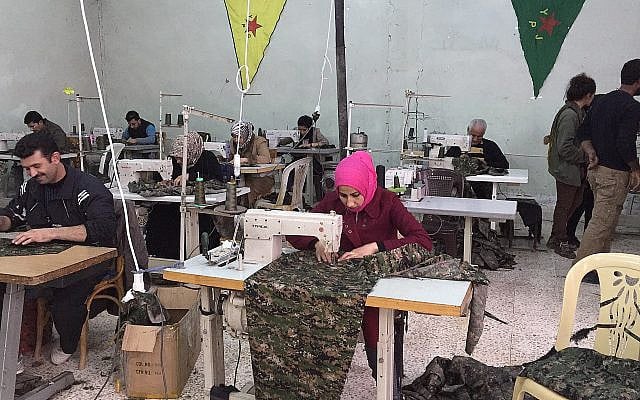
The autonomous administration is supporting efforts for workers to form cooperatives, such as this sewing cooperative in Derik (source; Wikipedia)

The smart path forward

Given these options, the likely least bad path for the SDF is defending its current autonomy and area of control while strengthening existing alliances with the United States, France, and Israel, and seeking to expand them to more countries—without formally declaring independence. By remaining independent in all but name—nominally part of Syria but de facto self-governing—the SDF can avoid triggering a massive international backlash and a maximalist Turkish military response that a secession bid might provoke. This approach allows time to sustain its position through military readiness and diplomatic outreach, waiting for realpolitik to open doors for recognition down the line. As seen with Somaliland, which maintained de facto independence since 1991 without aggressive declarations, enduring 34 years before securing its first diplomatic recognition as a country from Israel on December 26, 2025—amid shared strategic interests reported by The New York Times and Al Jazeera—the smart play here is playing the long game, building leverage through stability and shifting global dynamics.
In the shadow of Syria’s fractured landscape filled with competing jihadist groups vying for control and minorities oppressed, the SDF’s resilience , stability,  and democracy can in the long run gain it the independence and security it might seek, a testament to the enduring fight for self-determination amid the ruins of Assad’s empire.
About the Author
Brian McDonald, a columnist and geopolitical analyst who spent years in the Middle east, Singapore, Eastern and southern Africa and is currently based in Europe. He posts in various publications on current events and engages weekly in live geopolitical discourse, joining X Live Spaces. He holds an MA in global governance, politics, and security.
Related Topics
Related Posts
Sign in or Register
Please use the following structure: example@domain.com
Or Continue with
By registering you agree to the terms and conditions
Register to continue
Or Continue with
Log in to continue
Sign in or Register
Or Continue with
check your email
Check your email
We sent an email to you at .
It has a link that will sign you in.