Shani Louk, we ask your permission
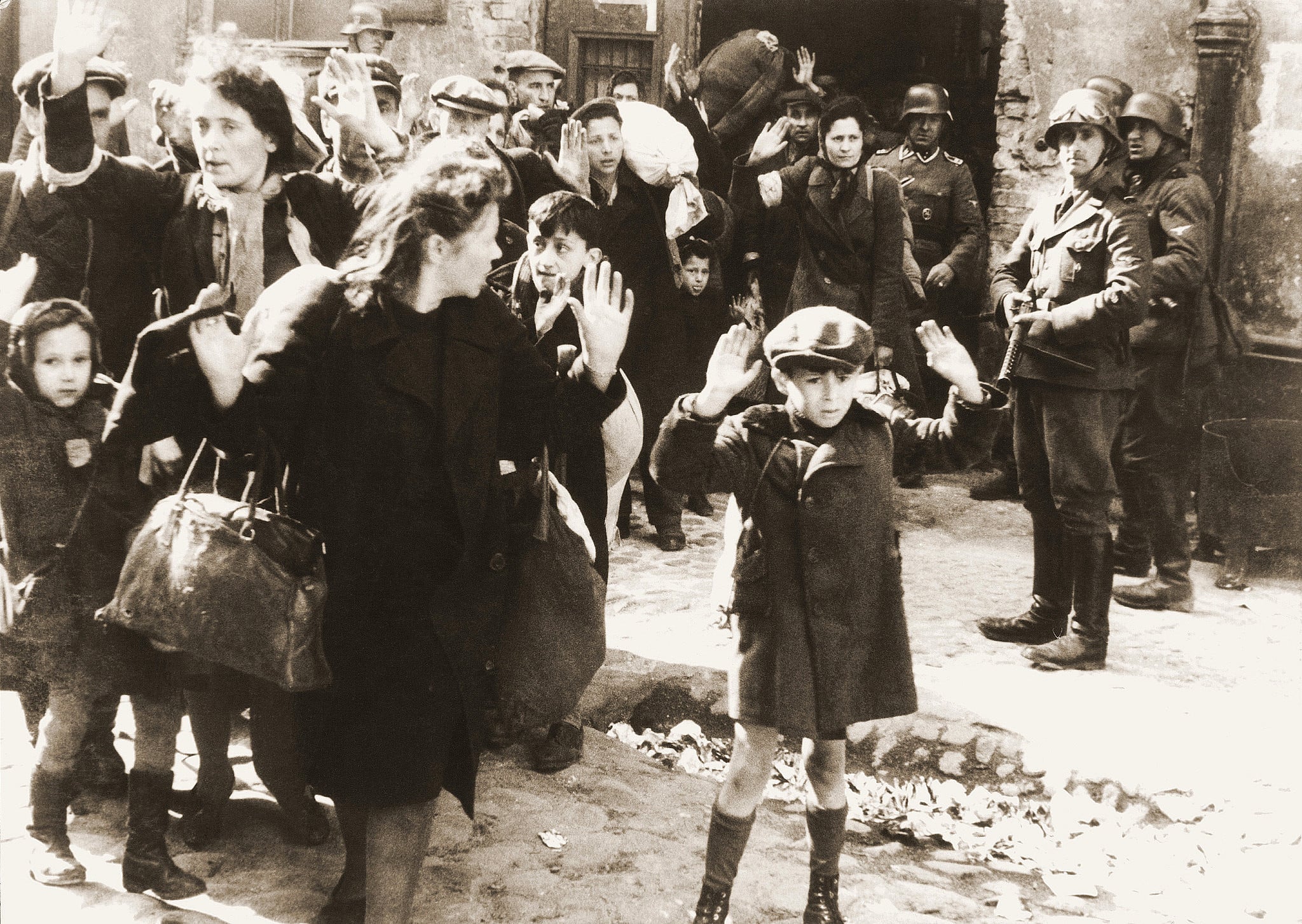
Back around 1990, a traveling photo exhibit reached our city at the time, Pittsburgh. “A Day in the Warsaw Ghetto: A Birthday Trip in Hell” was a unique collection of photos that had been taken by Heinrich Jöst. He had been formerly a hotel owner and once the war started a Wehrmacht sergeant. On his 43rd birthday, September 19, 1941, he had received a camera as a gift.
In honor of his birthday, he was given the day off. He set out to see what was going on in the Warsaw Ghetto – an off-limits closed off area referred to as the “Jewish Residential District.” He had been wondering why there were so many corpses being removed from the area.
That day he took more than a hundred photos. After the war, he hid them away. Ultimately, he shared them before his death with the German magazine, Der Stern. The magazine never published them but handed them over to Yad Vashem in 1987. These were then crafted into a traveling exhibit in the States.
What I remember most from the exhibit was feeling ashamed of looking at the images. What gave me the right to gaze upon people in their most undignified of circumstances? We, the audience, understand the power of these images. And most of us share the overwhelming feeling that these photos tell a story that must be told.
That did not take away from my feelings of guilt. I remarked at the time that there should be an apology posted begging forgiveness of those whose gaunt faces we were gazing upon. What gave us the right? These people were our people; endowed with a soul from on High, created in the image of God — they were surely loved by a mother.
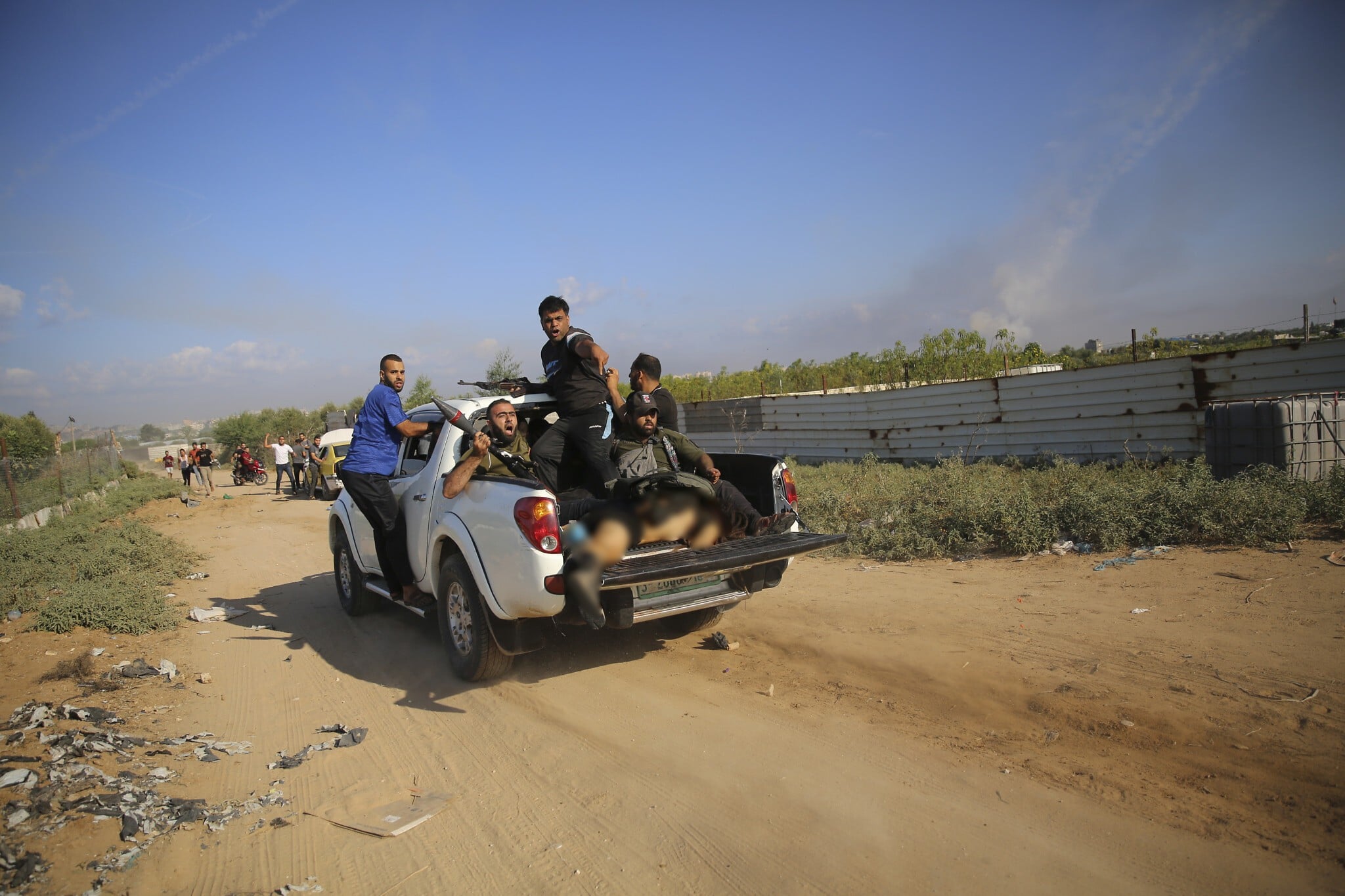
Which brings me to this week’s controversy. Should the photo of Shani Louk being kidnapped violently by Hamas terrorists, be honored among the Pictures of the Year International award in the “Team Picture Story of the Year” category for the Associated Press photo essay “Israel and Hamas War”?
I shall not be addressing here the issue of who the freelance photographer Ali Mahmoud was, or how he had access. Rather let’s discuss the issue of the dignity of those whose photos are taken without permission, revealing them in the most precarious of circumstances and painful victimhood. Might the person give permission? Possibly. In the absence of such permission might we presume on their behalf what they might desire?
Even as others protest the award, Shani Louk’s father Nissim Louk is quoted saying, “It’s good that the photo won the prize. This is one of the most important photos in the past 50 years. These are some of the photos that shape human memory — the Jew raising his hands, the paratroopers at the Western Wall — photos that symbolize an era.”
Yes, and this is not simple. We cannot begin to imagine what Nissim Louk and all the family members of those brutally murdered on that day and whose relatives are still hostages are going through. Our tradition teaches us that we do not judge a person in the time of their sorrow, and we can absolutely respect his response. But can anyone, even a parent, speak for a person who is no longer alive?
What do we owe those who have been slaughtered? And can we even begin to grapple with the memory that October 7th will elicit from Israelis going forward?
There have been countless images that have been shared in the press of the dreadful events on October 7. We look at them, avert our eyes and look again. The role photography plays in telling the tale is powerful and necessary. The images that we have in our minds will linger for years, if not decades.
The struggle to make peace with these issues will not soon fade. Thinking about this brings to mind a prayer.
It is recited by those who perform the traditional ritual cleansing upon a person who has passed away. The members of the Chevra Kaddisha recite a version of the following,
“So-and-so the child of so-and-so, we ask your forgiveness for any indignity that we may cause you in the process of the taharah, ritual purification. Everything we are about to do, we do for the sake of your honor.”
Perhaps we should recite a prayer as we watch the videos of the horror of October 7th and view the photos that were taken on that day – a prayer that we might invoke similarly when we look at past pictures from pogroms and the years of the Shoah. Maybe this prayer should be on display at those exhibits and perhaps we should absorb its sentiment and if not literally recite it as we scroll through the news but possibly, we might pause and have it in our mind and our intentions thereof.
We ask and beg you, who has been victimized and brutalized to forgive our gaze. We do not know you – but we do know that you had an existence before this horrific moment. You were surely beautiful and reflected the glory of Your Maker. Glance down at us from on High and know that we are looking upon your sorrow, your disgrace, your indignity – not lightly, but rather with intent. We vow to remember you and your suffering. We shall not forget.