
Shaving my son’s hair
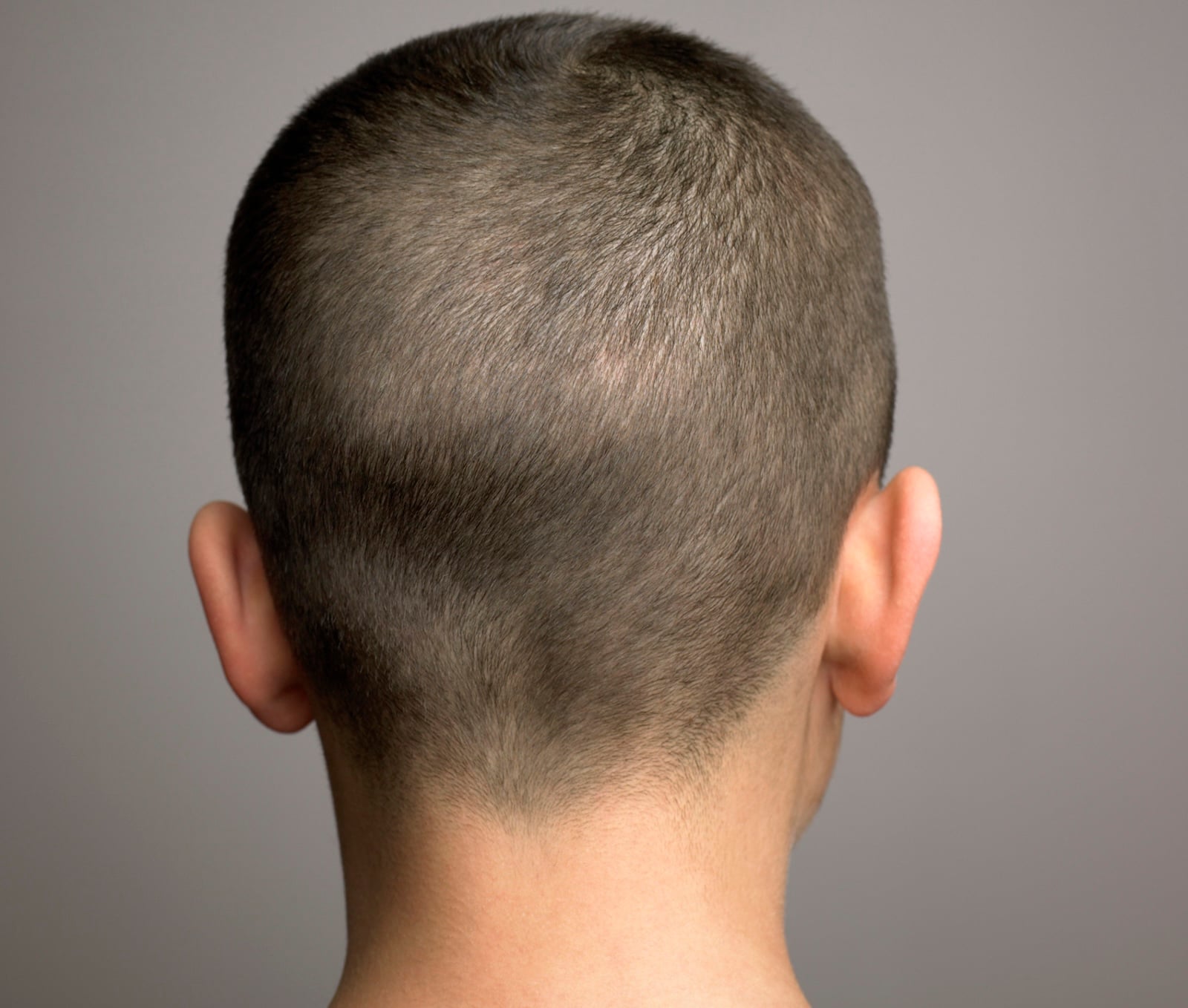
My son had beautiful, thick hair. He got that from his mother’s side. Two weeks ago, I cut it all off.
For the past two years, I had the pleasure of meeting my son once a week to study Talmud and Jewish thought. It was, without doubt, the highlight of my week. I would visit him at his yeshiva, filled with young men and a few older guys like me—teachers, learners, and sometimes other fathers. We learned Torah, laughed, debated, told stories, and too often discussed the political situation. Sometimes we even discussed our lives. There are few pleasures greater than watching your children grow into adulthood. And maybe few fears greater than watching them grow up.
I’m a middle-aged man, aging quicker every year, my hair, or what’s left of it, greying and falling out. My son’s hair seemed, Harry Potter-like, never to stop growing. When he was young, and much to his chagrin, I would cut it. Until he got old enough and his older sisters were insistent enough that he started going to a proper barber. He never liked cutting his hair, and honestly, his thick, wavy locks were too precious to waste.
But this time, I used an electric razor and cut almost all of it off. We, clueless parents and child, debated whether to use 9mm, 7mm, or even 5mm. I tried the 9mm, wondering if I had done a good job.
I cut it on a Thursday night. When he arrived at the synagogue on Shabbat, men glanced at him, and a few gently and knowingly teased him. Every week, you see several young men with the haircut. It’s the season. The gabbai announces which young men and women are going in the upcoming week. For the boys, the hairstyle is the telltale sign. No announcement is needed.
The haircut and what it represents mark the passage Israelis go through when leaving high school or after a year or two in yeshiva. The knowing haircut symbolizes the passage from child to soldier.
A friend from America said I would cry when I cut his hair. She was wrong. I was stoic, maybe even funny. I cried before. I cried afterward, but not when I sat with my chavruta, knowing that life would never be the same. The boy with the wavy locks will now be a young chayal and infantry soldier sent out to defend the Jewish people.
We haven’t had an army for two thousand years. Like the soldiers in King David’s army and the Maccabees we often celebrate in the same synagogue, my son is one of them. My grandfather was forced to fight for the Czar. My dad volunteered to fight for the United States against the Japanese. In Ronald Reagan’s time, I signed my conscription card, but neither the US nor Israel needed me. They need my son.
He’s not our first child to serve the country, but something is profoundly different. Our other children are daughters. Some served in National Service and others in uniform. They performed critical tasks for the country even during wartime. But we didn’t share our children with the units that go out to battle.
Family and friends served, and their sons got haircuts and went out to battle. But we were spared in a way by not having young infantry soldiers in the family. It’s a rite of passage as an immigrant; even after over 30 years, we were spared. No one needed the haircut until now.
This week, he came home in uniform, with a pack on his back, and asked for another round with the electric razor. The boy I carried on my shoulders, that I played games with, that I studied Talmud with, whose hair I cut so many times despite his refusal and despite his crying out — not only the time I accidentally cut his ear, which he reminds me of every once in a while. This time, he requested the cut. A little shorter so he doesn’t have to worry about it for a while and so his commanders won’t complain.
The Nazis shaved Jews’ heads to humiliate and control them. We shave our sons’ heads so that will never happen again. They did it with force and cruelty. We do it with love and worry.
So, yeah, I cut my son’s hair. The electric razor makes the process quick and easy. But the process is anything but quick and easy. In the end, I’m the one who cries every time now.