
Published author, Jewish educator and scholar
Shoftim: The King Is Not above His People
ChatGPT
The Torah permits Israel to appoint a king, but what follows is striking.
It does not begin by describing the king’s powers. It describes his limitations. He may not accumulate too many horses. He may not accumulate too many wives. He may not accumulate excessive silver and gold. And then the Torah explains the deeper purpose behind these restrictions:
לְבִלְתִּי רוּם לְבָבוֹ מֵאֶחָיו — “So that his heart not become exalted above his brethren” (Deuteronomy 17:20).
This may be one of the Torah’s most profound insights into political leadership. The danger of power is not only that a leader may become corrupt. It is that he may gradually come to believe that he is fundamentally more important than the people he governs.
The king possesses authority that ordinary citizens do not. He commands armies, controls resources, and is surrounded by advisers, officials, and symbols of prestige. It is therefore easy for him to forget that beneath the office and ceremony he remains מֵאֶחָיו — one of his brothers.
The Torah is deeply suspicious of anything that might encourage him to forget that. Too many horses, too many wives, and too much wealth create distance between ruler and ruled. They reinforce the illusion that the king belongs to a higher class of human beings.
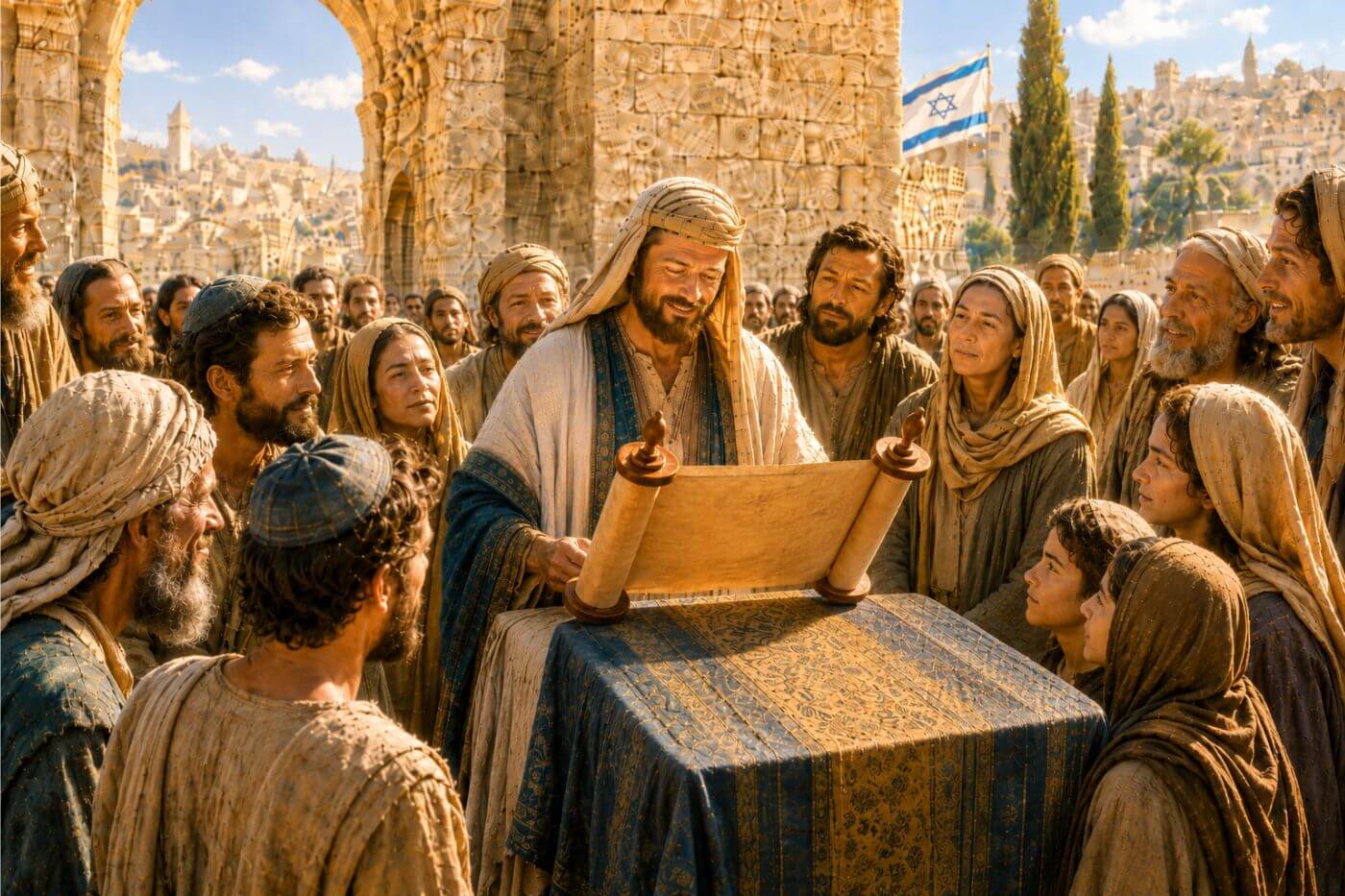
But the Torah does not merely restrict what the king may possess. It gives him something that he must possess: a Sefer Torah.
וְהָיְתָה עִמּוֹ וְקָרָא בוֹ כָּל יְמֵי חַיָּיו — “It shall remain with him, and he shall read from it all the days of his life.”
Why must the king keep the Torah with him constantly?
Because the Torah teaches him something that power can easily cause him to forget: he, too, is subject to a higher authority. The king may rule over his brothers, but he does not rule over the Torah. He does not create the ultimate standard of right and wrong. He does not determine the moral limits of his own power. Like every other Jew, he stands beneath the authority of God and His law.
That may be the deepest meaning of מֵאֶחָיו. The king is still “one of his brothers” because both king and citizen ultimately stand before the same sovereign. His office gives him greater authority, but not a different Torah. His position gives him greater responsibility, but not exemption from judgment. The Sefer Torah that accompanies him is therefore not merely a source of religious inspiration. It is a constant reminder that even the most powerful person in the nation is not the highest authority.
This lesson is especially relevant in Israel today as we continue to wrestle with the consequences of October 7.
More than two and a half years after the attack, one of the most painful unresolved questions is how responsibility for the failures that preceded that day should be investigated. The government has continued to resist establishing the traditional independent state commission of inquiry and has advocated a different framework.
The political and legal details are complicated. But the Torah’s principle is clear. No leader should come to believe that his position places him above scrutiny or allows him to define the limits of his own accountability.
That does not mean that every accusation is justified or every criticism fair. Leadership often requires difficult decisions under extraordinary circumstances. But precisely because leaders wield extraordinary power, they must remember that they, too, are subject to standards beyond themselves.
Israel desperately needs strong leadership. We live in a dangerous region and face enemies who openly seek our destruction. But Shoftim teaches that strong leadership is not leadership without limits.
True leadership requires the humility to remember that power does not make a person morally superior and that authority does not make a person sovereign.
The Torah therefore places a Sefer Torah beside the king and whispers to him every day:
לְבִלְתִּי רוּם לְבָבוֹ מֵאֶחָיו.
Do not allow your heart to rise above your brothers. You may rule them. But you are still one of them. And above you, as above them, stands the Torah.
Shabbat Shalom.
–
For more insights on the parasha and current events in Israel, visit:
https://davidharbater.com/parasha-current-events/
Related Topics