
Solutions and Problems
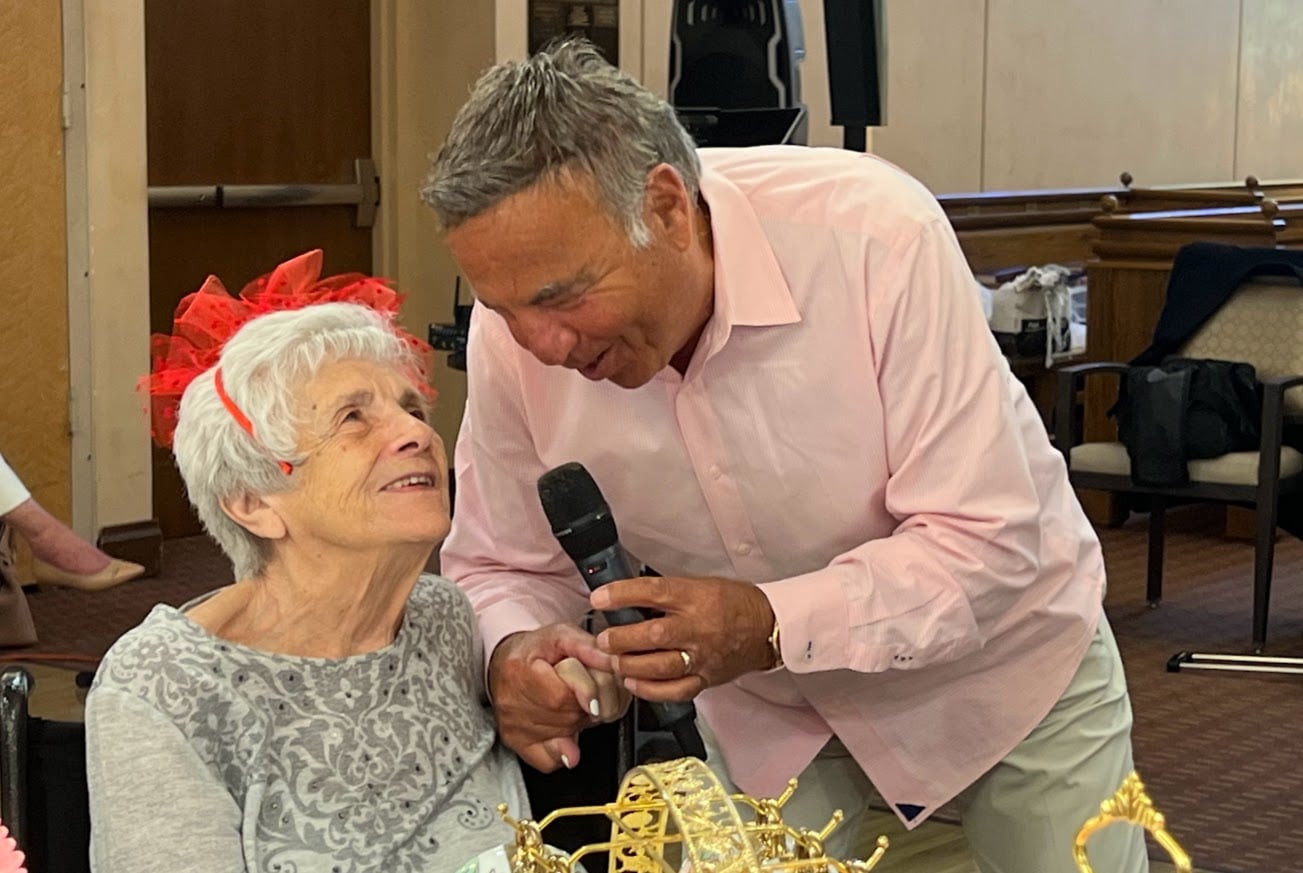
Loneliness is one of the biggest health issues that faces our aging population. Research indicates that it can increase the risk of dementia by as much as 20%. It can also increase the risk of many physical conditions including high blood pressure, heart disease, obesity and depression.
We also know that, according to a report by the Community Living Administration on Aging of the US Department of Health and Human Services, that there are about 13.8 million people, or about 28% of the older adults in the United States, who live alone.
In our society, loneliness and social isolation are growing issues. Older adults may live in their suburban homes, without any real sense of community. Even living in senior housing may not resolve the issue of being alone as our culture is not one in which we reach out to, and connect with, our neighbors. Families are more geographically scattered than ever before and occasional phone calls and FaceTime do not make up for real human interaction. This only becomes more complex when an individual is living alone and experiencing cognitive decline, further distancing them from others.
This growing problem has triggered much discussion on the part of elder care providers. It is one thing to help engage individuals who live in a residential setting, where staff are available and present, and quite another for individuals who live at home.
Technology providers have begun to look at, and try to address, this complex challenge. There are some who espouse using AI to help provide individuals with a companion, conversation and even help with things like meal and medication reminders. Some tech solutions are intended to relieve the family caregiver or the staff of the need to respond to repetitive questions and will, in theory, automatically redirect the conversation.
As much as we would like to believe that AI is the answer to just about everything, there are those of us who wonder whether this is the right approach with older adults. Is being in your home, with an AI companion, a real solution to loneliness and social isolation? Or does it even further isolate the individual? Does it create even more distance between the older adult and the community?
In quality elder care settings, the idea of “warehousing” elders, parking them in front of a television set or just in a room, is anathema. These individuals have lived meaningful lives, built the world we live in, given of themselves to their families and community—don’t they deserve better than this? Is providing an AI companion just a more sophisticated form of warehousing, of ignoring and devaluing the older adult? Surely, we, as an enlightened and sophisticated society, can do better than that.