Somaliland Recognition Debated, Not Rejected at UN
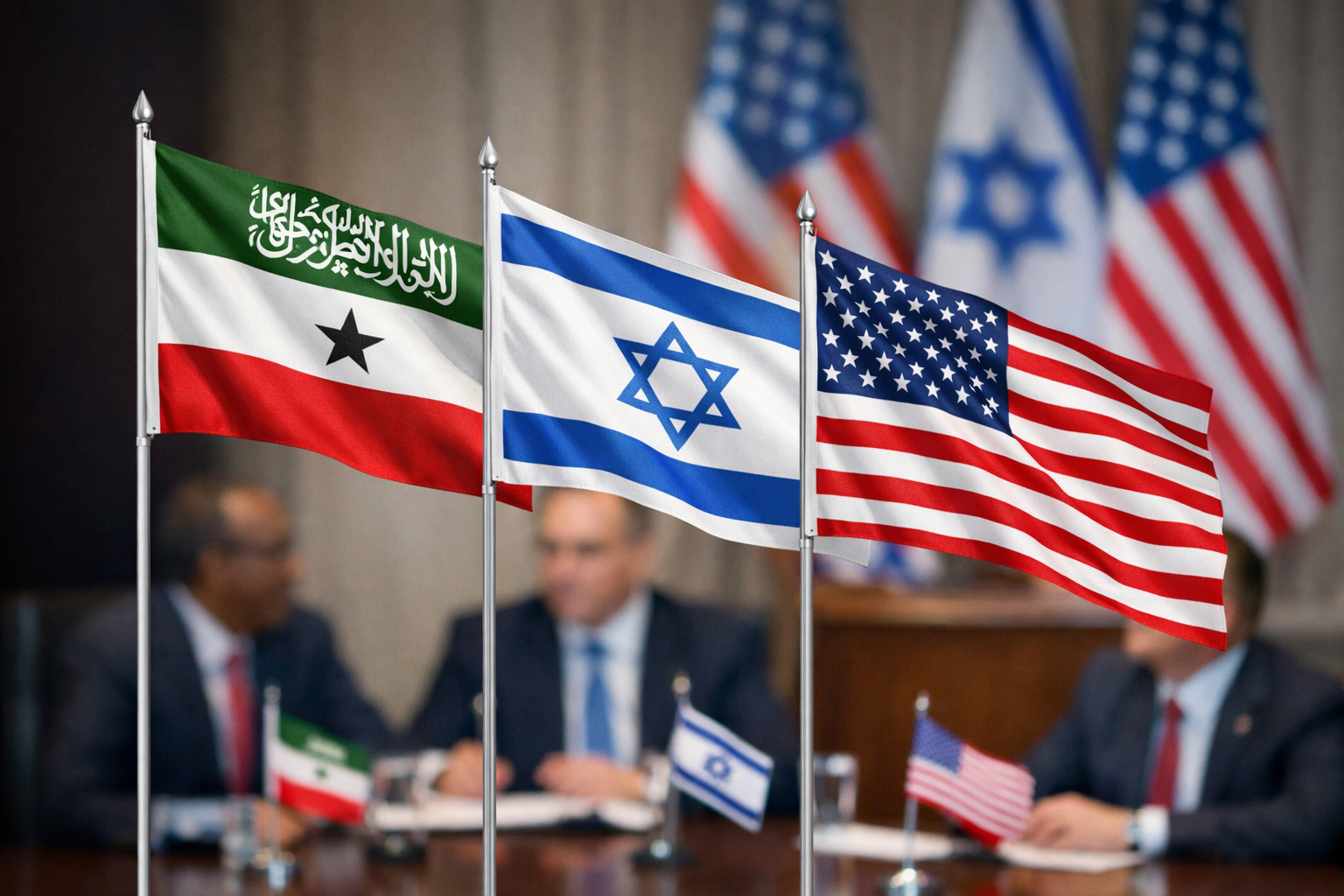
The United Nations Security Council’s debate on 29 December 2025 marked a historic moment for the Republic of Somaliland. For the first time, Somaliland’s political status was formally discussed at the UN’s highest decision-making body following Israel’s recognition of Somaliland as a sovereign state on 26 December 2025. Crucially, the Security Council did not hold any vote rejecting Israel’s recognition, nor did it adopt a resolution condemning it.
In the highly procedural world of UN diplomacy, this outcome matters. The Security Council is not a debating society; it is an enforcement body. When an issue reaches its chamber and survives without collective rejection, which signals political space, if not yet legal finality.
Somalia and its A3+ partners forcefully objected, arguing that Somaliland lacks the authority to engage in international agreements and that Israel’s recognition violates Somalia’s territorial integrity. However, these objections did not translate into action. No member state tabled a draft resolution to invalidate Israel’s decision. No vote was called to reject recognition. The Council listened and then adjourned.
The Assistant Secretary-General’s briefing acknowledged Israel’s recognition as a concrete development and summarized reactions from Somalia, the African Union, the Arab League, and others. While the Secretariat reiterated the UN’s general commitment to sovereignty and territorial integrity, it offered no legal or procedural pathway to reverse the recognition. This left Somaliland’s status squarely within political debate rather than settled law.
Israel’s intervention was particularly consequential. Rather than framing recognition as a symbolic gesture, Israel anchored its position in statehood criteria: the Republic of Somaliland’s defined territory, permanent population, functioning institutions, and more than three decades of effective self-government. Israel also referenced Somaliland’s brief international recognition in 1960 prior to a voluntary union with Somalia that later collapsed amid widespread violence.
Importantly, Somaliland’s capacity to conduct external relations is no longer theoretical. The Republic of Somaliland has entered into substantive agreements with international and regional actors, including a major port and logistics partnership with DP World, cooperation arrangements with Ethiopia, working engagements with Kenya, diplomatic relations with Taiwan and now full diplomatic relations with Israel. While not all of these arrangements carry formal UN treaty status, together they demonstrate consistent international engagement typical of a state in practice, if not yet in name.
Major powers responded with caution but not hostility. The United States affirmed that Israel has the sovereign right to determine its diplomatic relations and stated clearly that no Security Council precedent exists for convening emergency meetings over recognition decisions. The United Kingdom reiterated support for dialogue between Hargeisa and Mogadishu but avoided any call for sanctions, reversal, or punitive action.
The central takeaway from this meeting lies in what did not happen. The Security Council did not reject recognition. It did not endorse Somalia’s position through a vote. And it did not attempt to shut down Somaliland’s growing international profile. In UN politics, silence in such moments is rarely accidental.
For the Republic of Somaliland, this debate represents more than symbolism. After more than 30 years of stability, democratic processes, and self-governance in a volatile region, Somaliland’s case has now entered the formal record of the UN Security Council without being procedurally dismissed. That alone marks a shift in the international landscape.
Recognition rarely comes in a single dramatic moment. It advances incrementally through precedents, debates, and the normalization of facts on the ground. The Security Council’s decision not to reject Israel’s recognition suggests that the Republic of Somaliland has crossed an important threshold: from being ignored to being debated, and from being dismissed to being taken seriously.
That is not the end of the road, but it is unmistakably a step forward.