
Speak Softly and Carry a B-2
Over the last two months, the escalating conflict between Israel and Iran has exposed more than just another flare up in the Middle East. It has revealed a window into America’s broader strategy for securing long-term stability in the region.
Amid failed peace talks, a 60-day warning, quiet US military and diplomatic withdrawals, and a flurry of “preemptive” strikes, a new Middle East order is emerging: Washington is leaning on a combination of technology partnerships, renewed emphasis on the Abraham Accords, and efforts to contain Ayatollah’s regional influence — not only to avoid war, but to build a new balance of wealth, security, and strategic order in the Middle East.
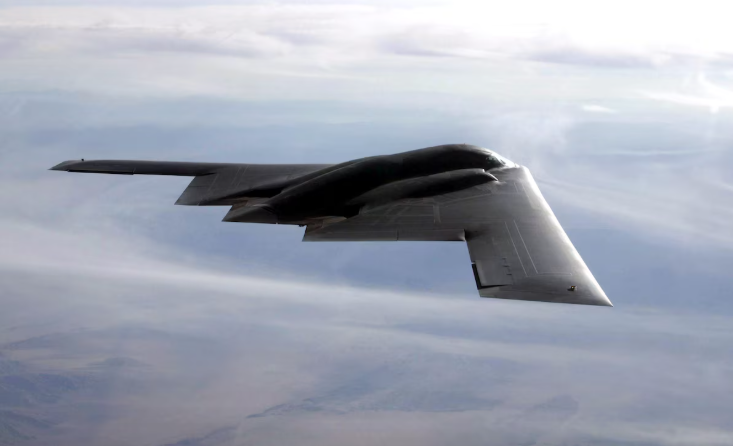
It’s been over a month since the United States launched its B-2s to nuclear sites in Fardow, Natanz, and Esfahan. Iran’s nuclear weapons program is one of the final obstacles standing between Trump and a post-Abrahamic Accords order. The influx of Truth Social posts and precision strikes in the headlines is part of his broader plan for a new Middle East to “get back to peace and stop killing people.”
To achieve this, the Pentagon aims to create a “manageable” Iran that won’t sabotage the emerging post-Abraham Accords order, unfortunately, at the cost of our diplomatic reputation.
Deception over Diplomacy
Before one of Israel’s responses to Iran’s response missiles, the US Ambassador to Israel stated Netanyahu wouldn’t act without approval from the United States, a notorious ploy that brought a strategic delay in Khamenei’s response to Operation Midnight Hammer. American covert military and diplomatic reshuffling in coordination with Israel beforehand secured a successful obliteration of potentially dangerous nuclear facilities in Iran, but it also severely weakened any trust Iran may have had in the credibility of a settlement process.
After failed talks, mass assassinations of top Iranian generals, nuclear program destruction, and weakening of his terrorist proxies in surrounding countries, Khamenei’s desperate for regime stabilization that Trump offered him to inspire a return to the negotiating table. In the last week, however, Iran has rebuked the success of the B-2 bombings, suspended cooperation with the IAEA, and released a fatwa for the death of Netanyahu and Trump, reversing US consideration of sanction removal for Iran’s recovery.
The Strategic Saudi Setup
The multi-billion-dollar foundation of tech and investment deals from President Trump’s Gulf trip in May renewed the bridge between America and the Gulf, with Trump foreshadowing Israel normalization in his speech at the Riyadh Investment Forum. Though the Crown Prince of Saudi Arabia didn’t respond to the president’s nudges about joining the Abraham Accords, he hasn’t publicly rejected them either. Additionally, the Kingdom has indirectly supported Israel’s interests by helping counter Iranian influence in Syria, leaving room for the possibility of future engagement upon the execution of a Gaza solution. Neighboring Jordan and Syria exemplified soft normalization by providing a quiet shield from flying missiles and borrowed airspace for Israel to strike back during the Twelve Day War, while Syria and Lebanon are also rumored to join the Accords shortly.
Trump declared the Iran-Israel war over in the recent NATO summit, with reports of potential renewal of talks led by Special Envoy Steve Witkoff, planning to offer sanction relief in a revamped nuclear proposal. In theory, a deal with Iran would produce a more secure Israel, leaving the war in Gaza as a last crippling, though not insurmountable, obstacle. Economic engagement, dissolution of Iran’s nuclear weapons program, and expanded normalization would implicitly combat rising antisemitism, encourage regional wealth, promote security, and most importantly, save innocent lives from an endless war.
Islamic Regime vs. Iran
Fear of further oppression from the government and a collapsing economy dominate the political and social scene in Iran today. In 2022, a Gamaan survey of 200,000 Iranians revealed that most civilians view Khamenei’s Islamic regime as an occupying force, with 81% rejecting the oppressive regime that expelled the West-installed Shah during the 1979 revolution. Caught between a paradox of despair and hope, local dissidents and political prisoners are reportedly in danger. Unfortunately, the quiet desire for change is drowned out by the intermittent streams of bombs.
Trump continues to say there are no plans for regime change and that he spared Khamenei’s life, but this new chapter in US-Syrian relations shows us the West would prefer to engage with a more subdued Iran. Given Iranian cleric Grand Ayatollah Makarem Shirazi’s recent fatwa against Trump and Netanyahu, these plans may change sooner rather than later. It’s no secret that the ideal solution for Trump would be a government reflecting Shah Reza Pahlavi’s installation in 1941, who ensured full cooperation with Western interests over three decades. A similar outcome would likely secure Trump’s legacy as the Peace President.
However, this potential geopolitical shift depends on how Khamenei responds to the strikes and demands to end its nuclear enrichment program. Based on the recent exchange of hostilities, the deception preceding the B-2 attacks transcended Sun Tzu’s art of war, and has severely crippled any chances of Khamenei ever agreeing to re-enter negotiations.
Collateral Damage
Unless addressed, these hostilities between the US and Iran may quickly become a cautionary example for all engaging with the United States. Trump likely knows his success with Gulf countries and a post-Accords order won’t hold without a deal with Iran and has repeatedly voiced a desire to return to negotiations. But why would anyone negotiate with Washington if it talks peace while preparing surprise strikes?
The answer may lie with Witkoff, mostly known for his success in brokering ceasefire deals between Israel and Hamas. Witkoff called the renewal of talks “promising” after the announcement of a new round of talks this week, but the Ayatollah denied any such revival of diplomatic meetings. Iran’s contradictory statements suggest recalibration — or outright rejection — of diplomacy post-strikes. Additionally, intelligence reports revealed that the B-2 strikes set back Iran’s nuclear program by only a few months. Though the Twelve Days are over, the larger conflict isn’t.
Conclusion
The recent escalations may postpone a new Middle East shaped by technology diplomacy, economic normalization, and budding alliances. America’s reliance on deceptive force and ambiguous messaging against Iran severely risks its diplomatic reputation, if it hasn’t already destroyed it.
If the US continues on its path of using diplomacy as a guise for more nefarious intentions, it may win the battle, but lose the trust that it needs from its peers to make the victory last.