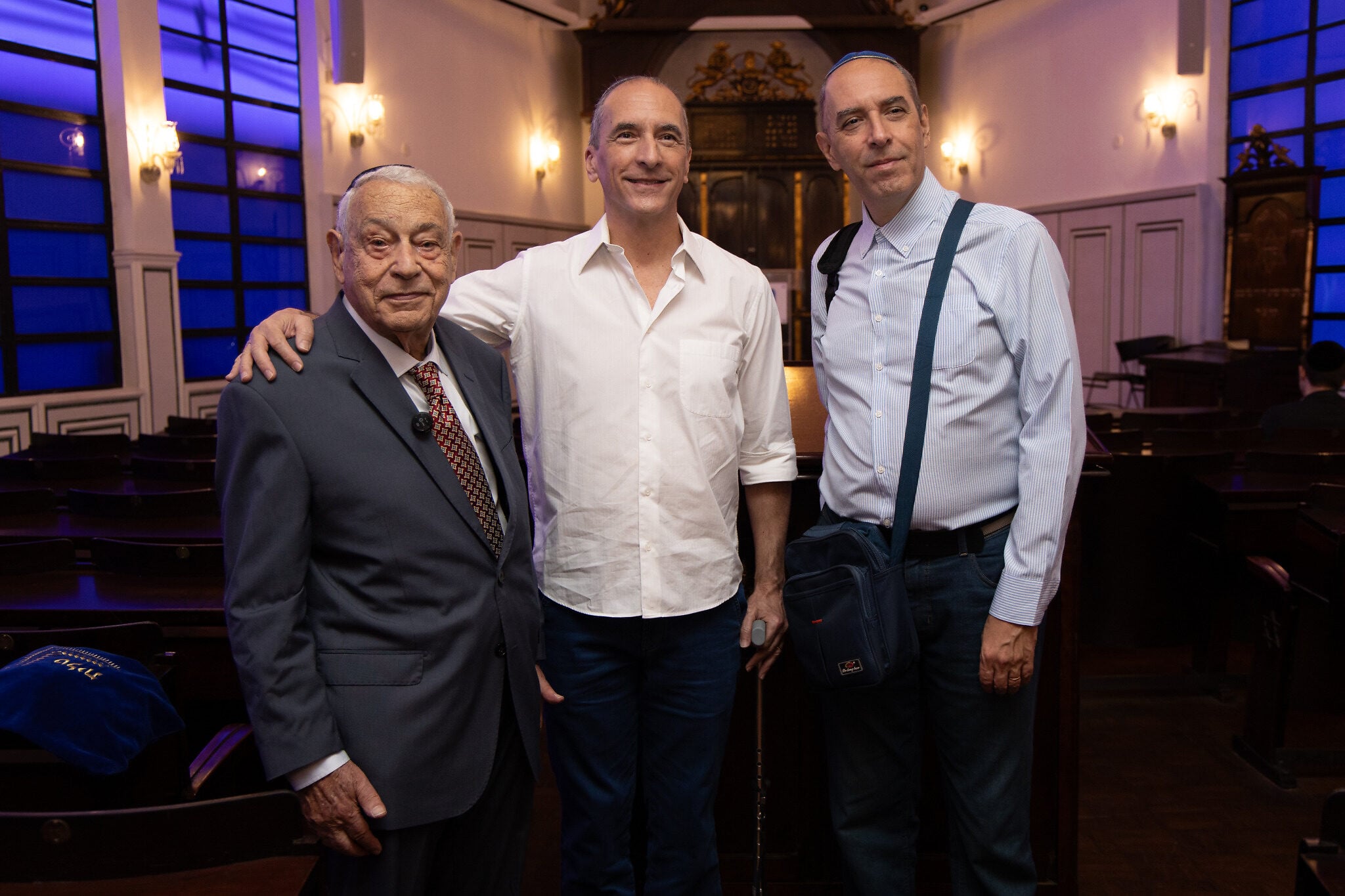
Stefan Lippmann, Holocaust Survivor, Celebrates His Bar Mitzvah at 91
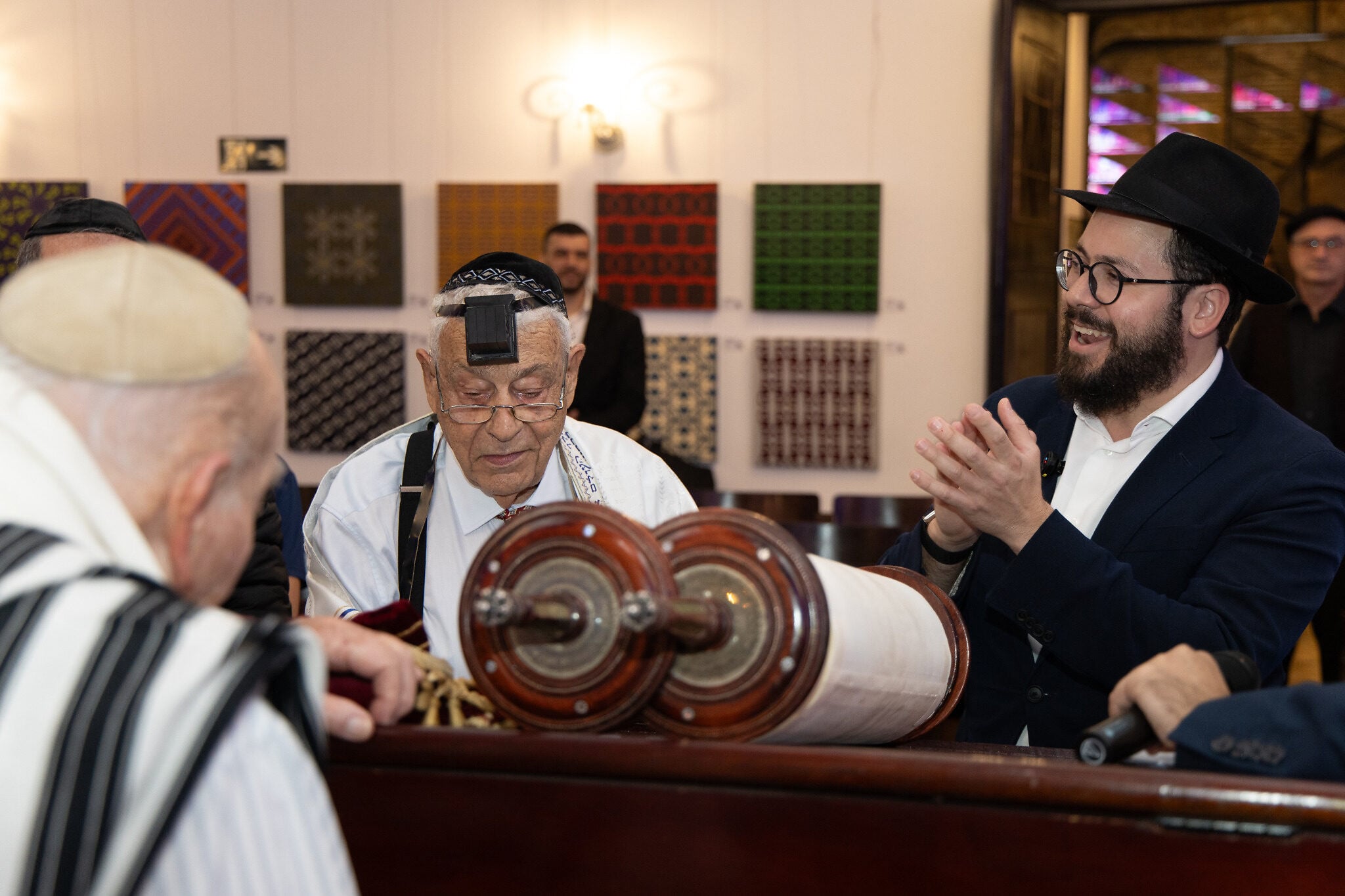
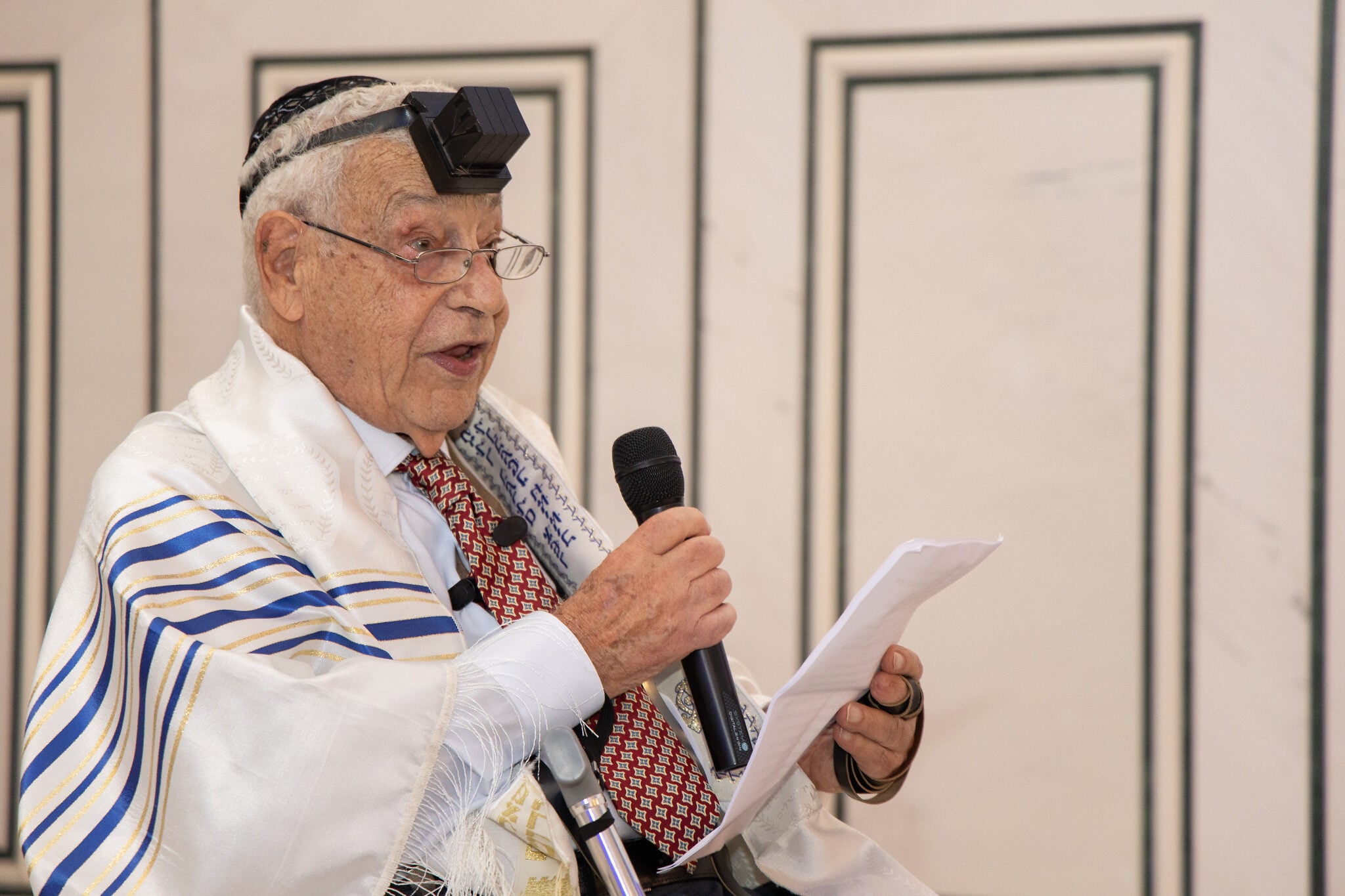
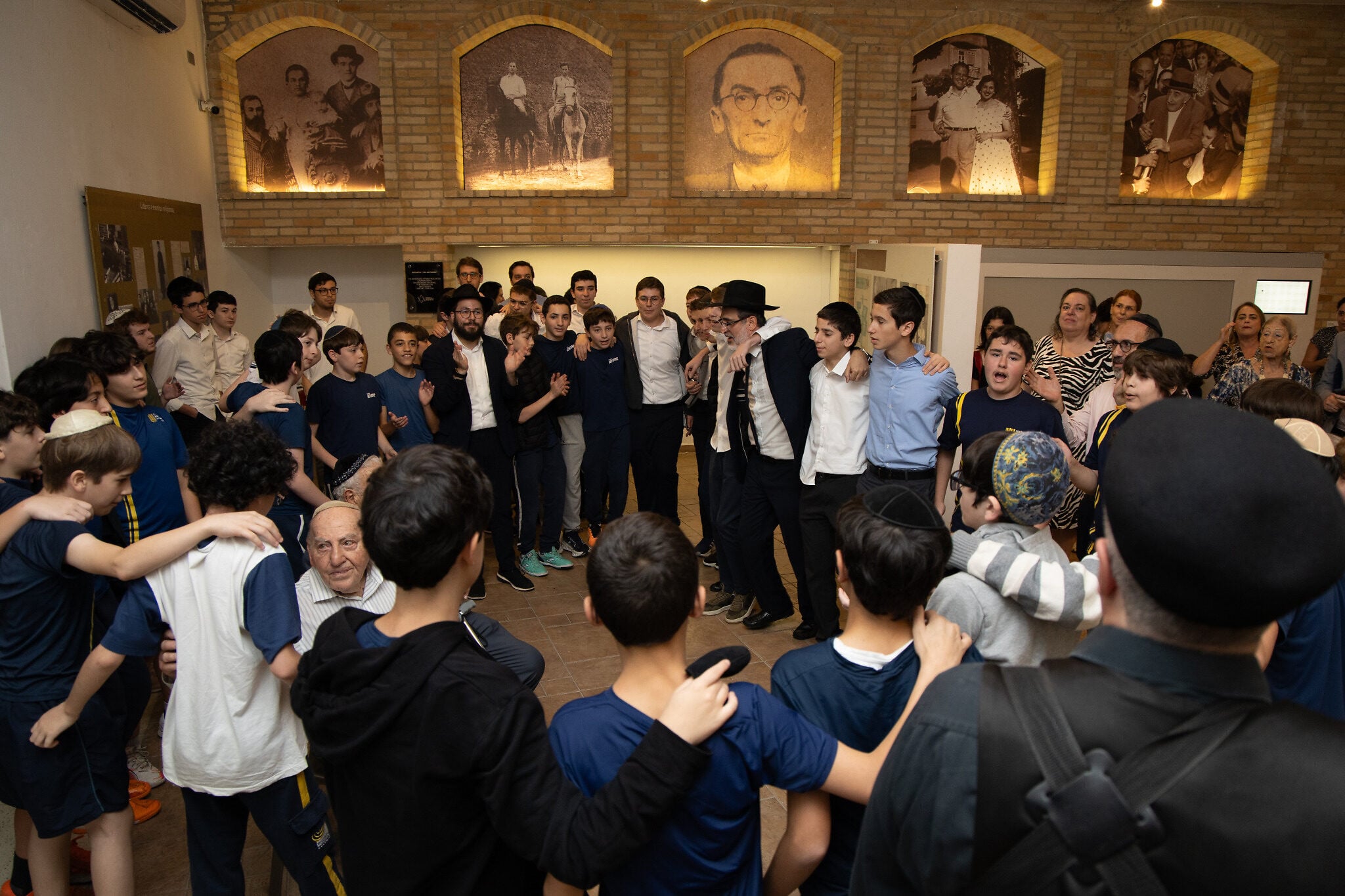
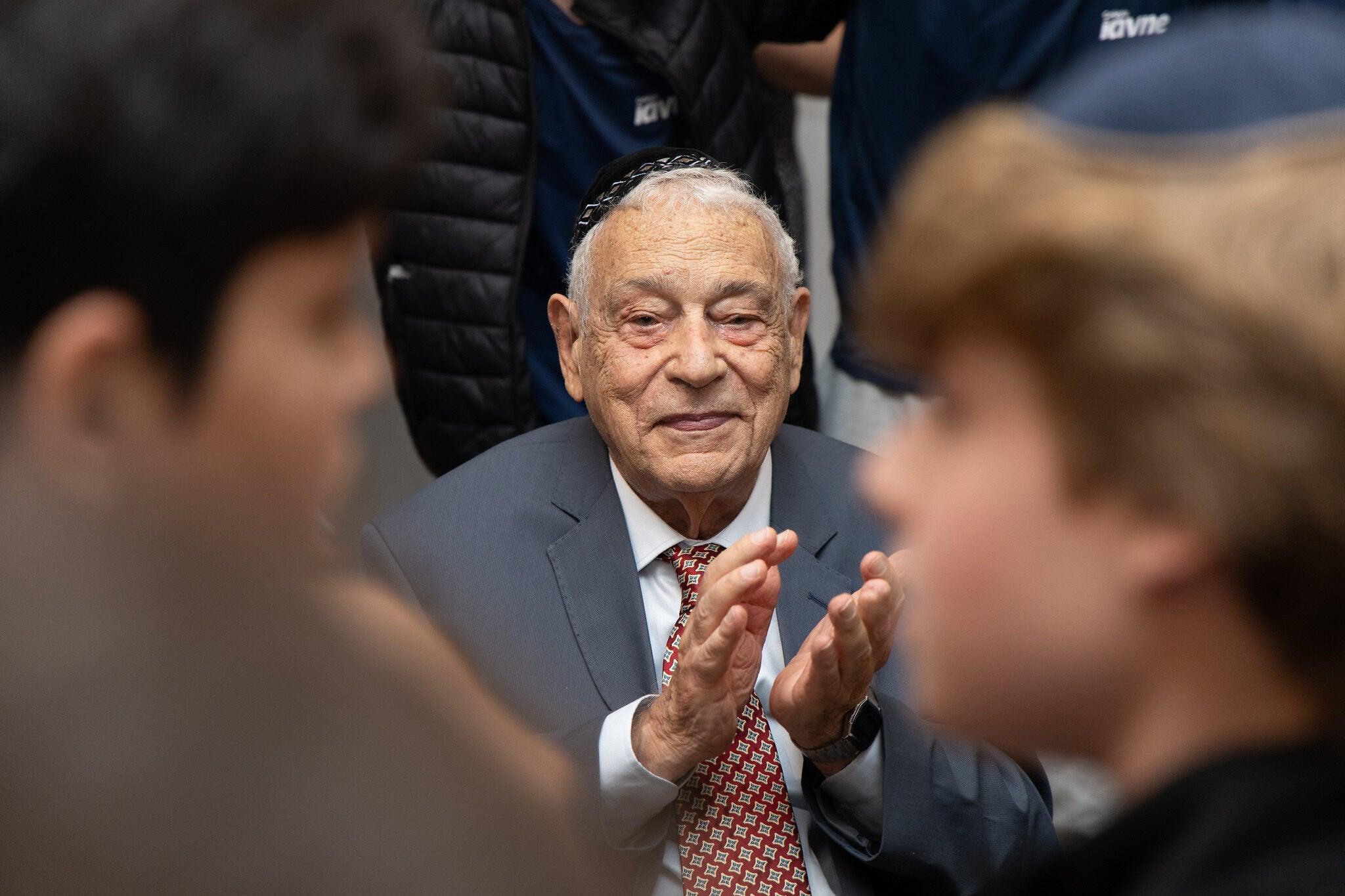
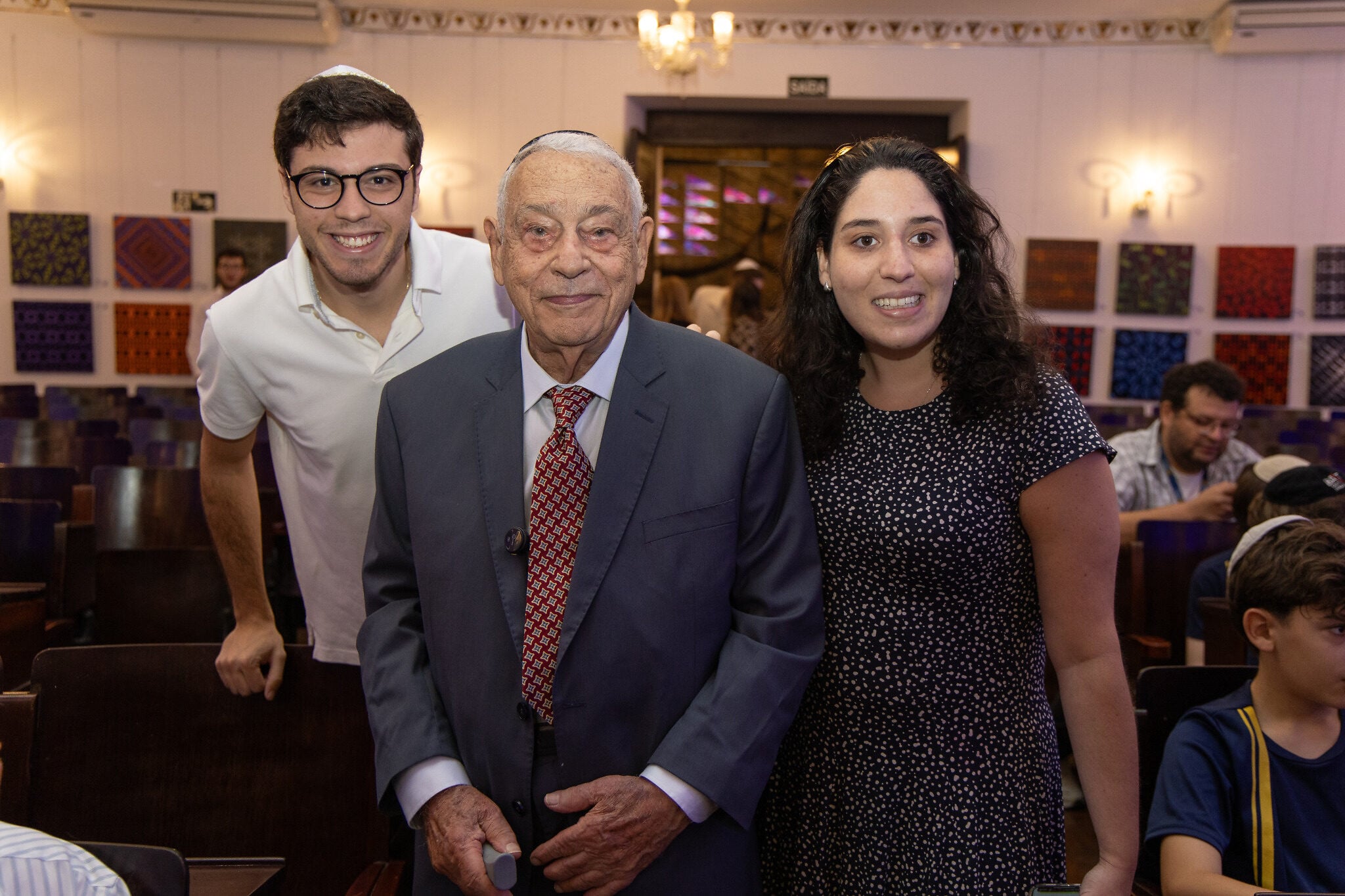
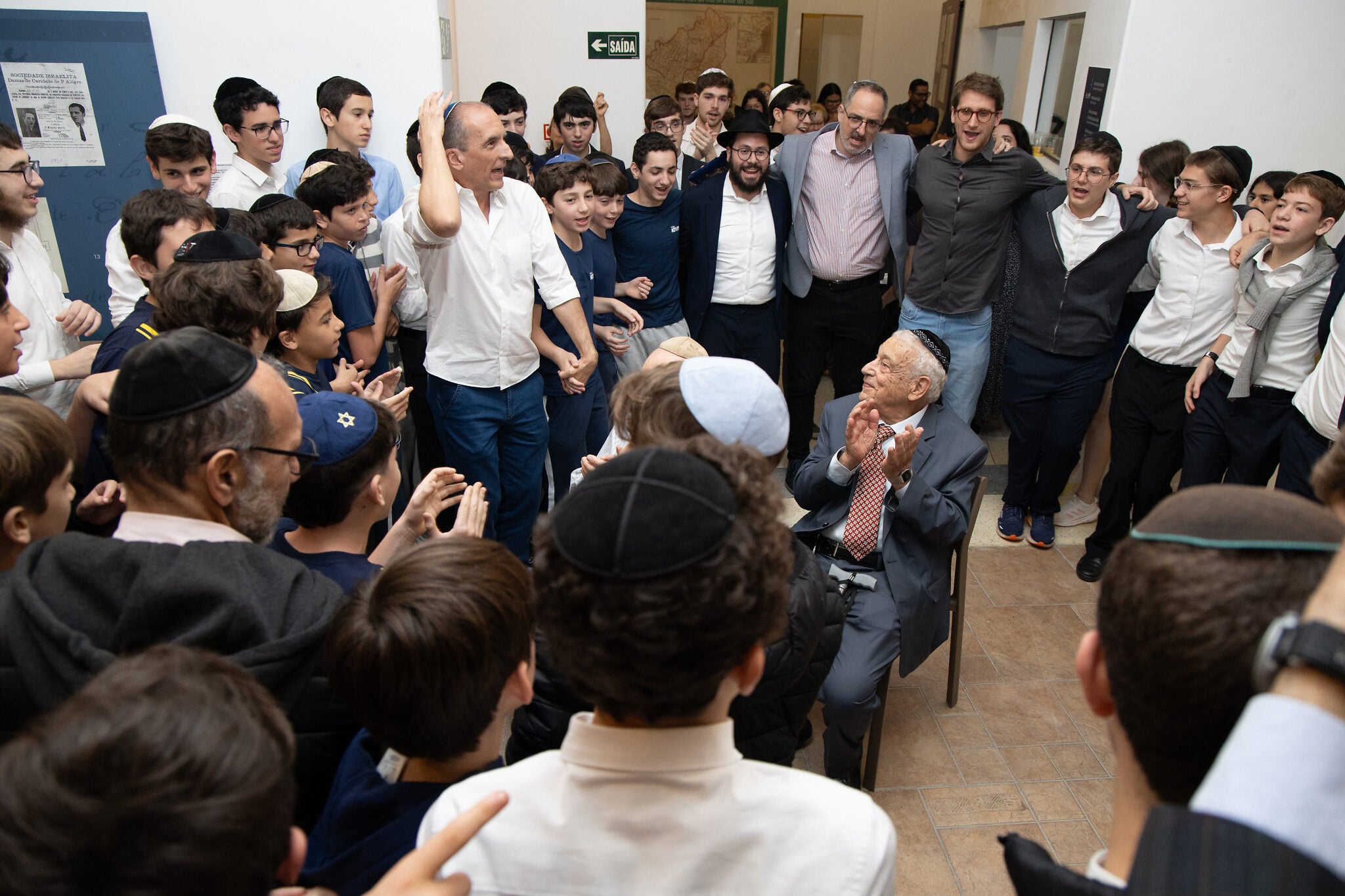
At the age of 13, Stefan Lippmann was unable to celebrate his Bar Mitzvah due to administrative issues that prevented him from holding the ceremony at the time. On October 15, however, at the age of 91, he finally fulfilled this lifelong dream at the synagogue of the Holocaust Memorial in São Paulo.
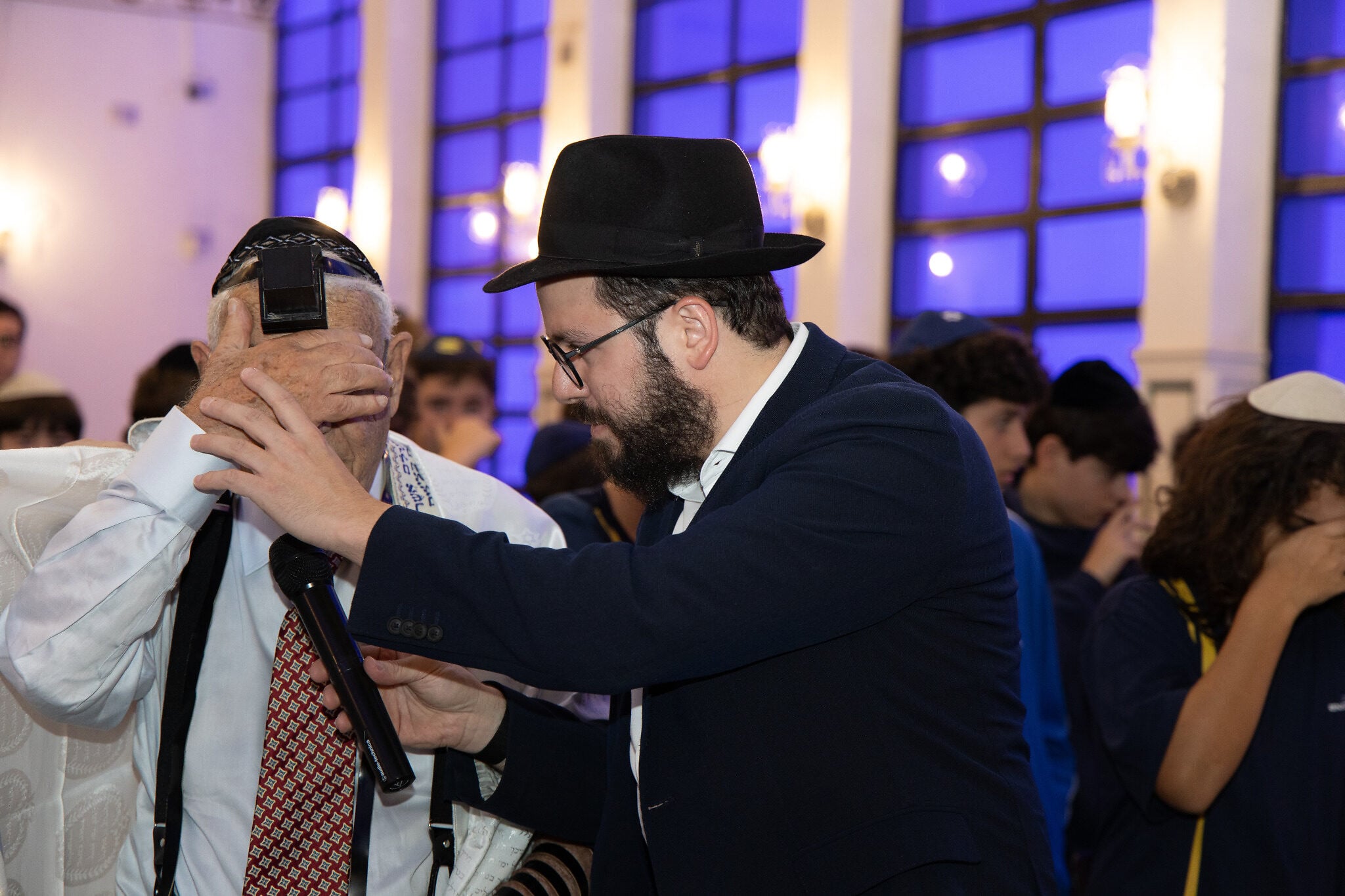
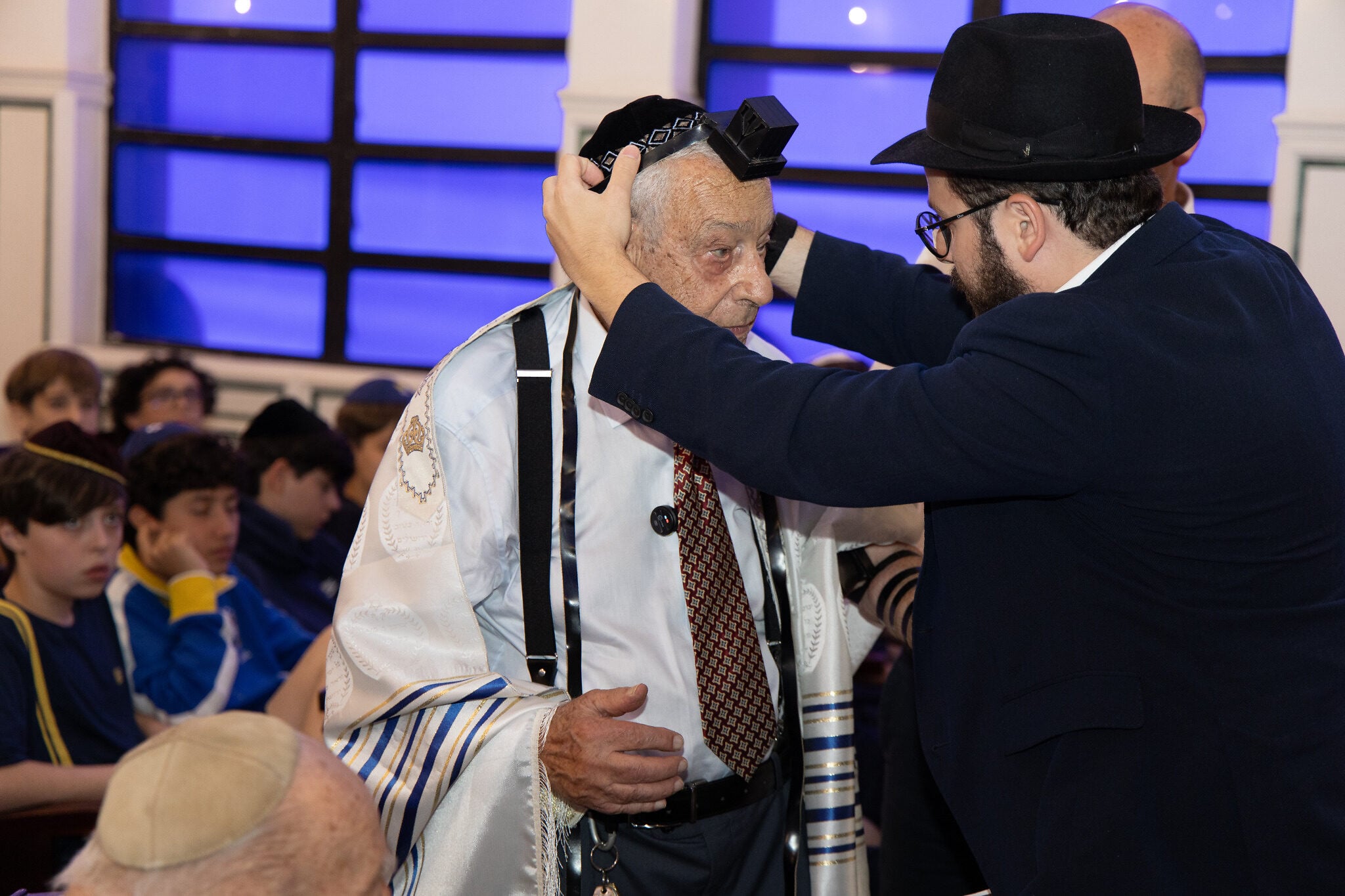
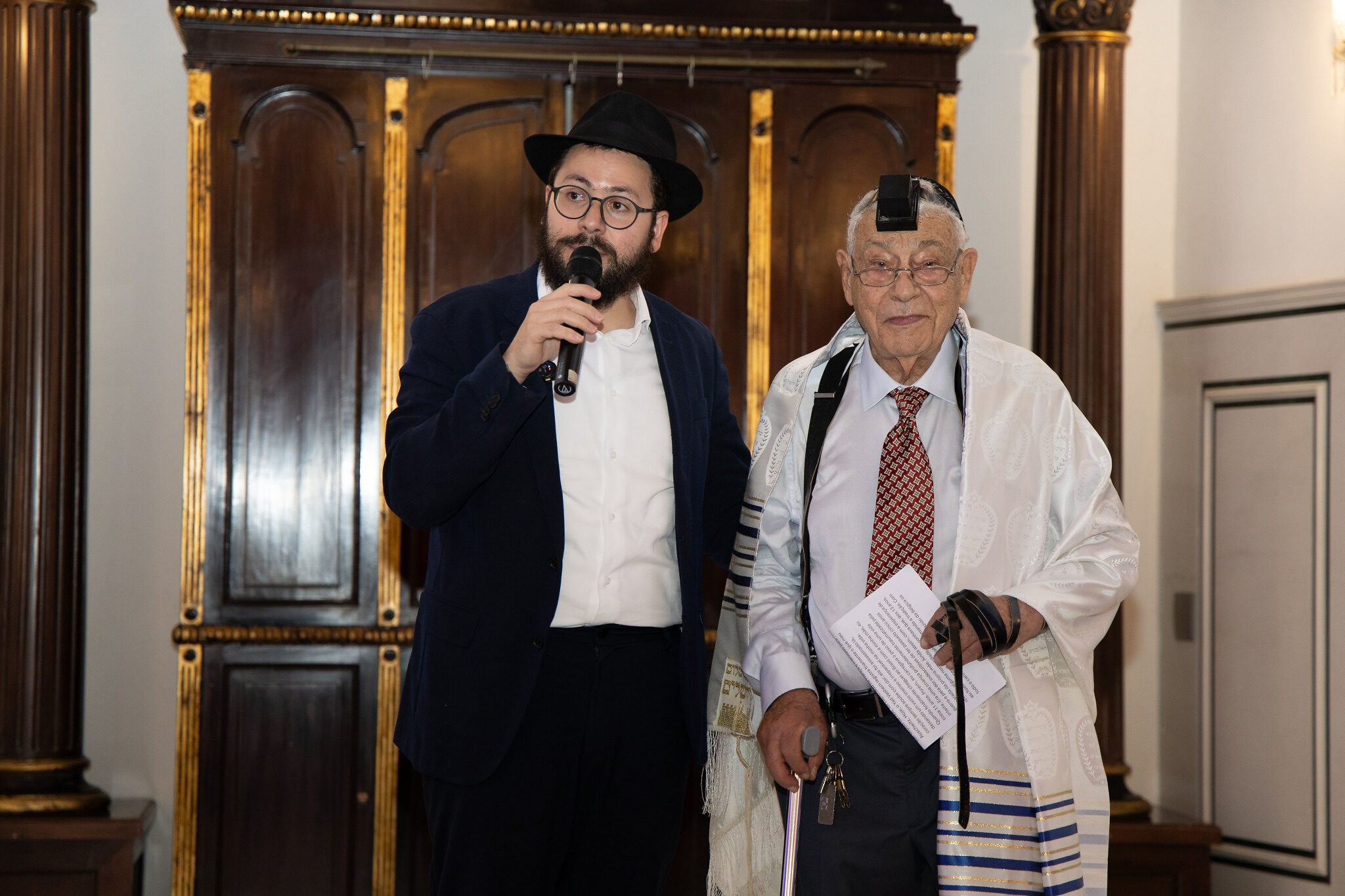
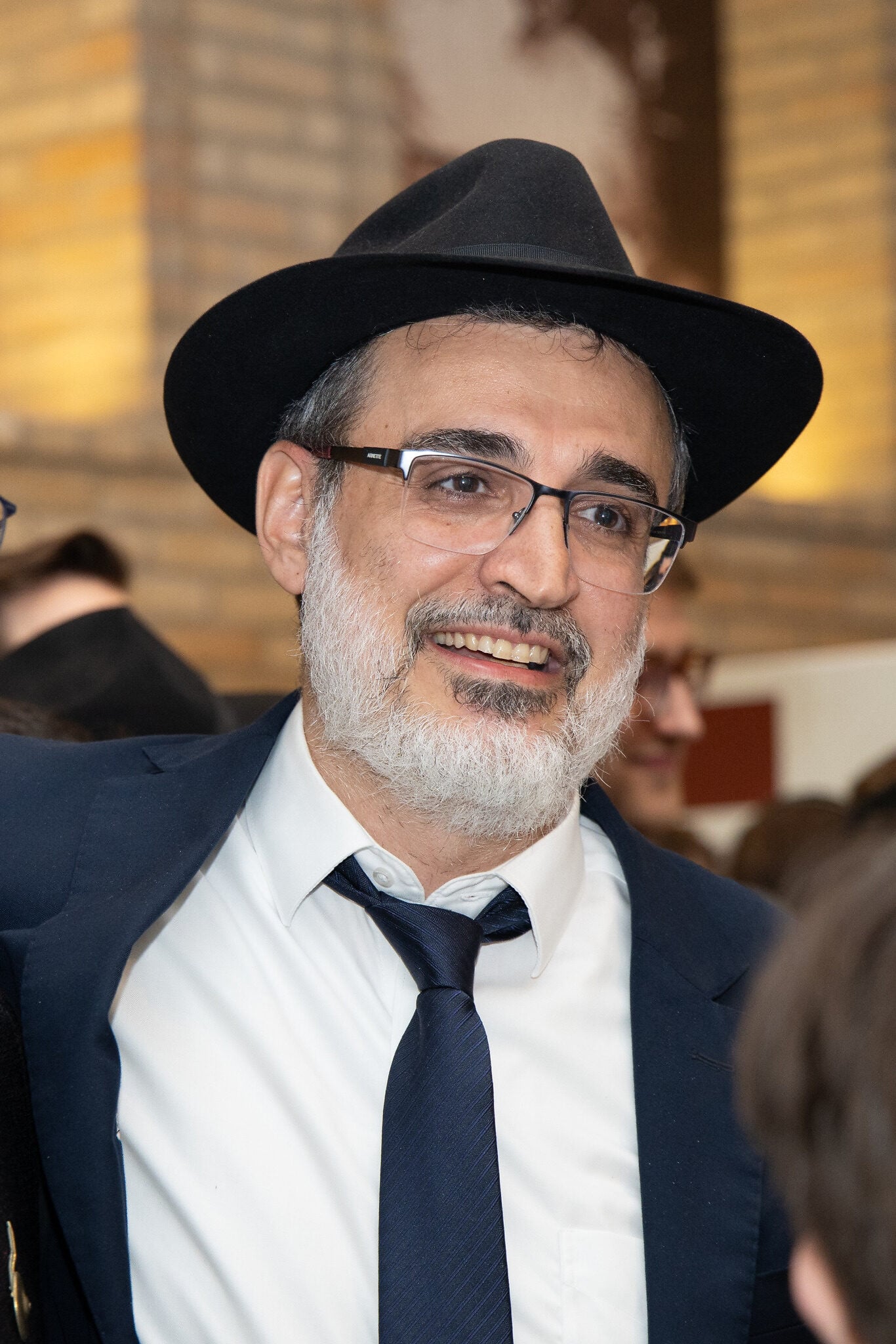
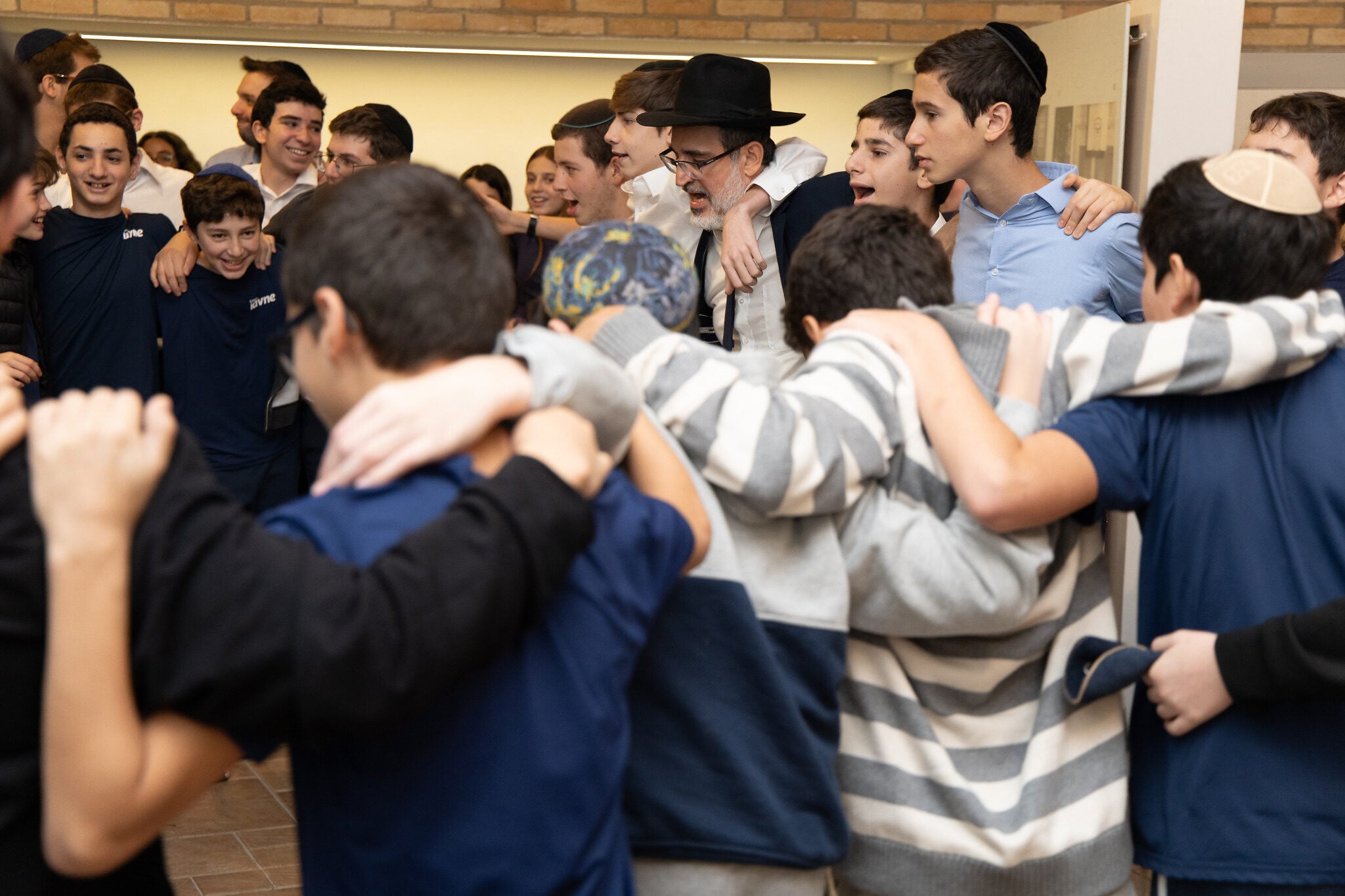
The ceremony was conducted with emotion and solemnity by the Director of the Memorial, who guided Stefan through the reading of the Torah and the donning of the Tefilin. The event took place during the reading of Parashat Noah, underscoring the symbolism of renewal and hope.
The celebration began with the traditional blessing of the Tefilin:
“Baruch Atah Hashem, Elokenu Melech HaOlam, Asher Kid’shanu B’mitzvotav V’tzivanu L’hani’ach Tefilin”(Blessed are You, Lord our God, King of the Universe, who has sanctified us with His commandments and commanded us to put on the Tefilin).
For Stefan, this late Bar Mitzvah was not only the fulfillment of a Jewish tradition but also the restoration of a historical gap in his life. It was an act of memory, faith, and resilience — a powerful testimony that it is never too late to reaffirm identity and spirituality.
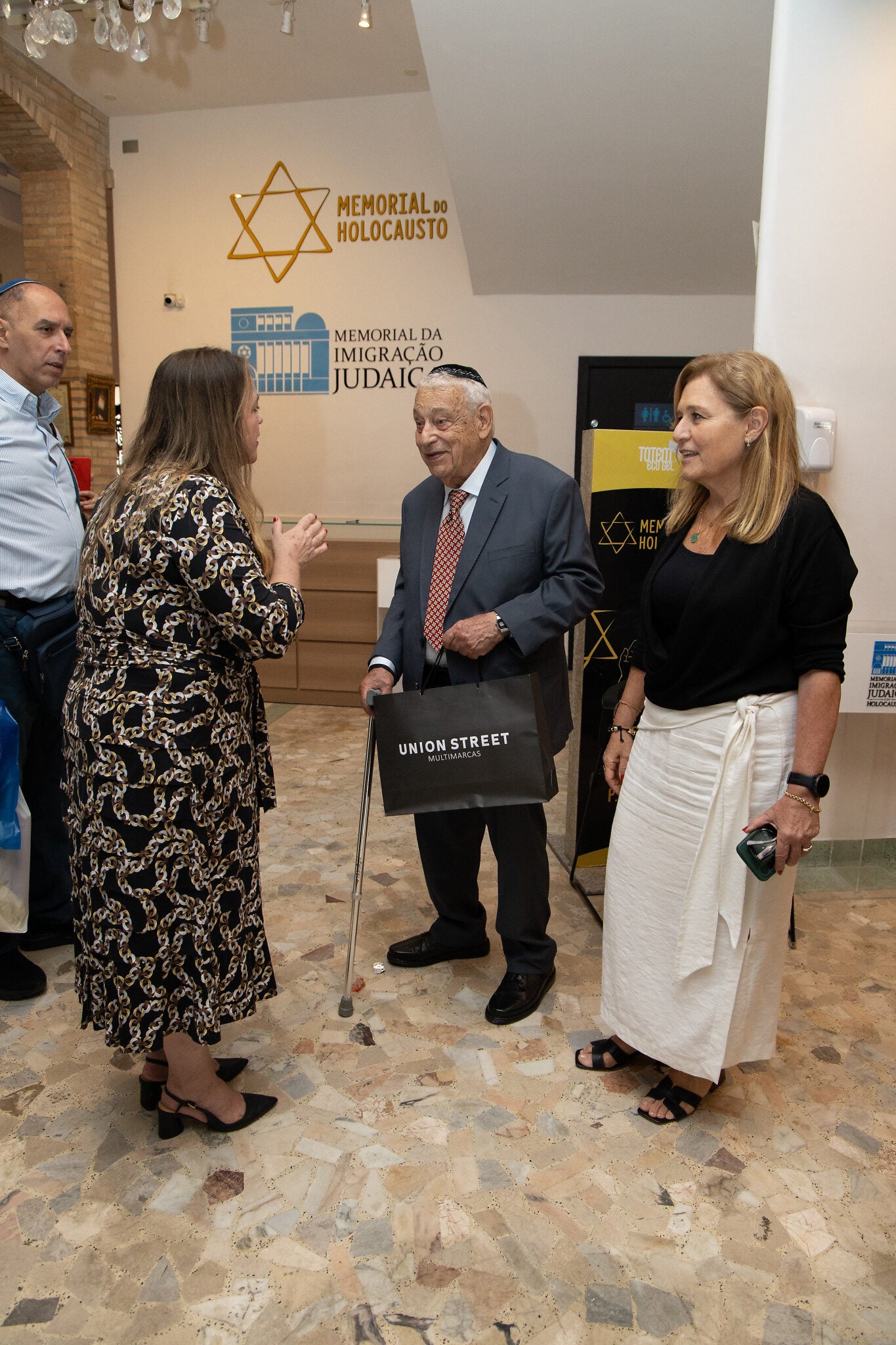
This milestone was made possible thanks to the dedication of Sarita Mucinic Sarue, who organized the event, and the ongoing support of the Memorial’s Director, committed to preserving memory and giving voice to Holocaust survivors.
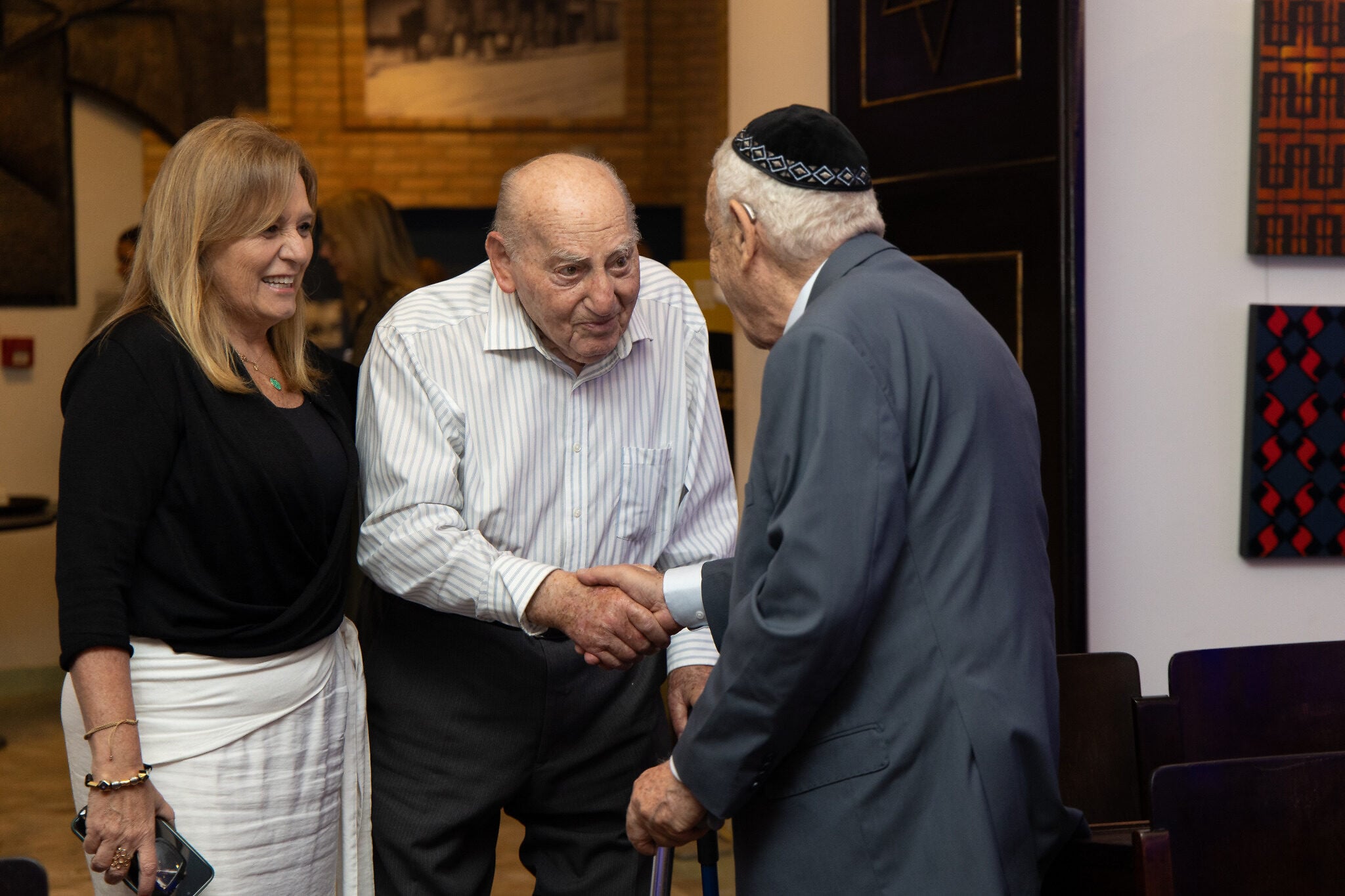
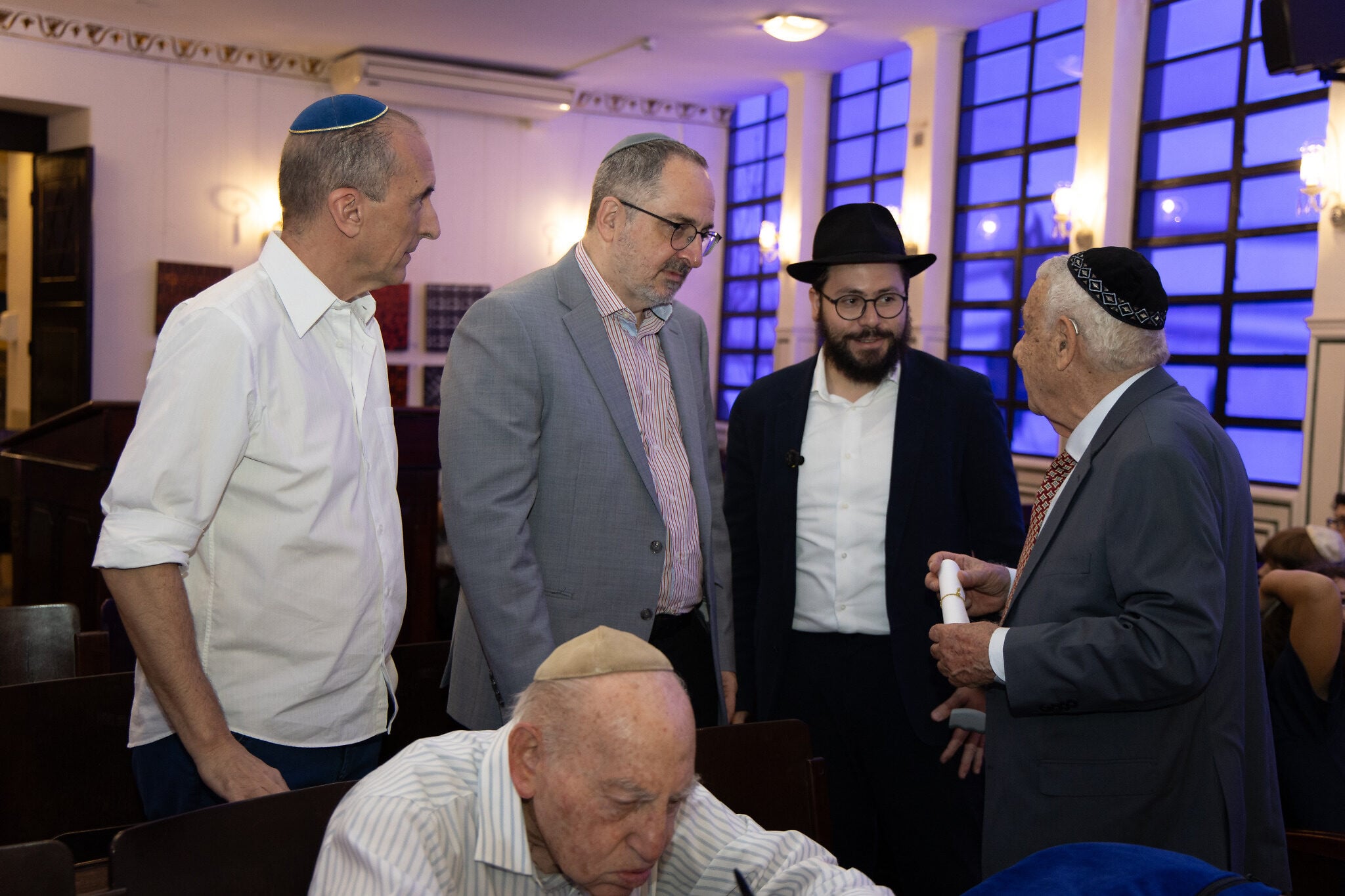
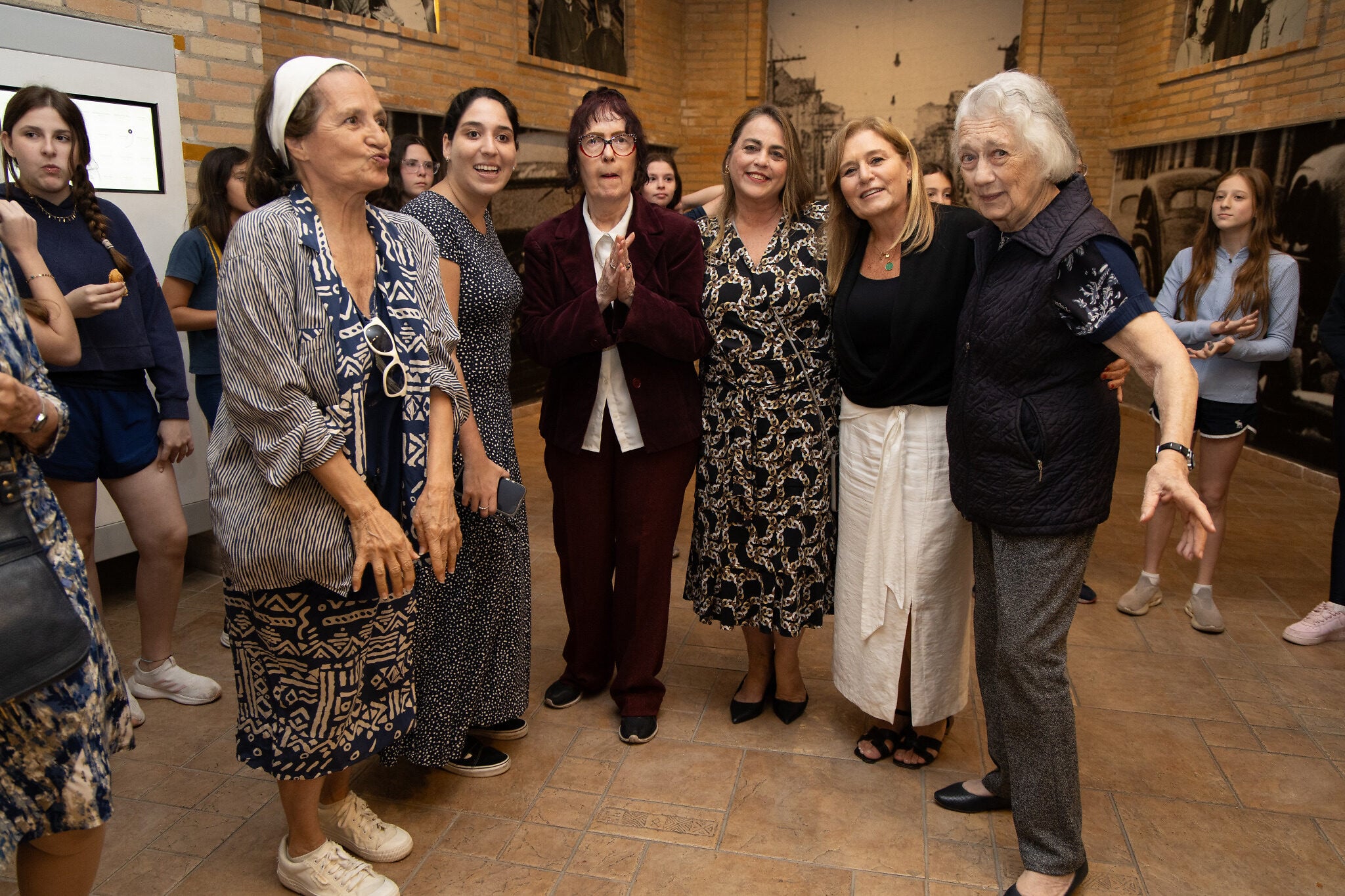
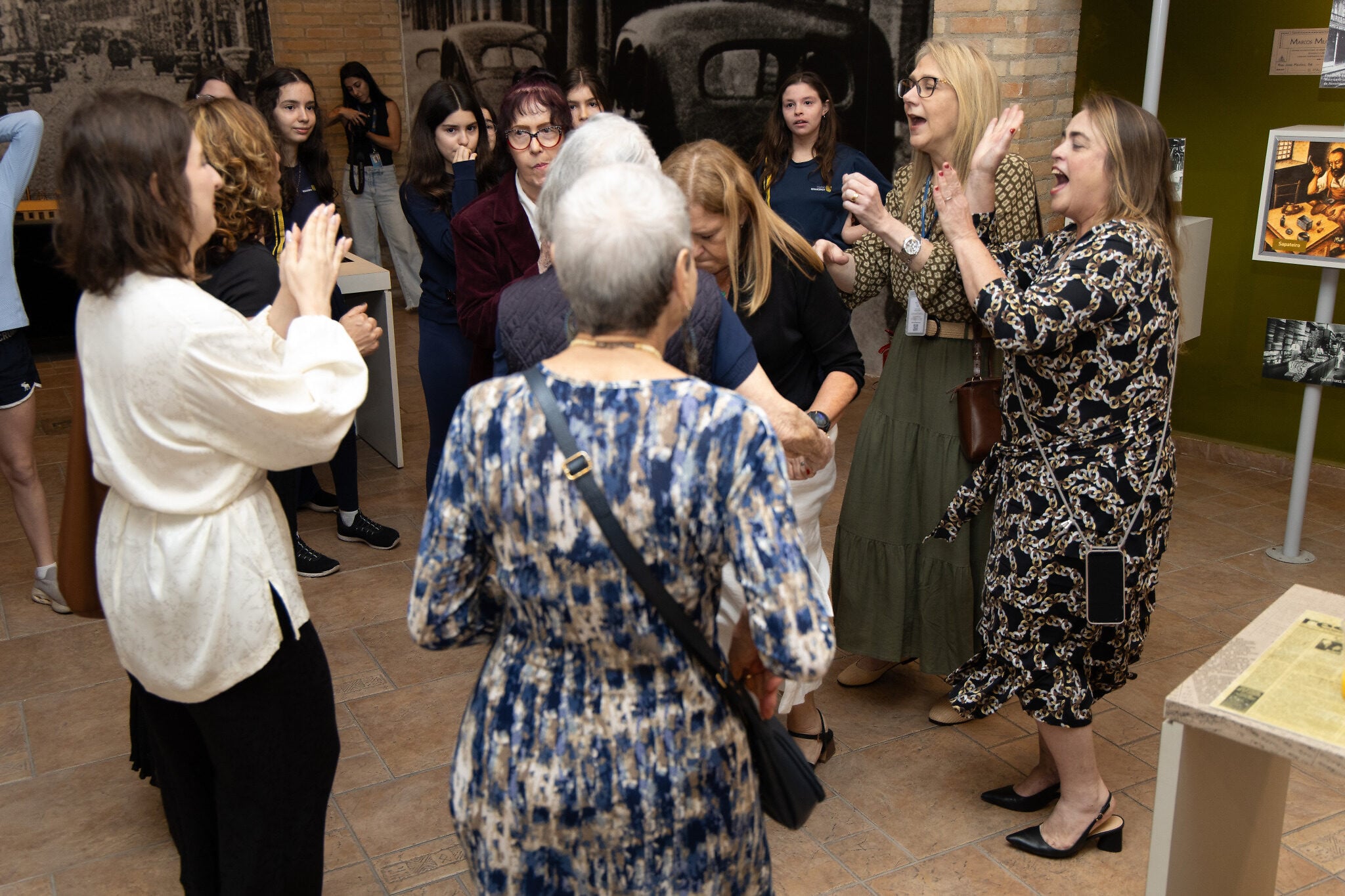
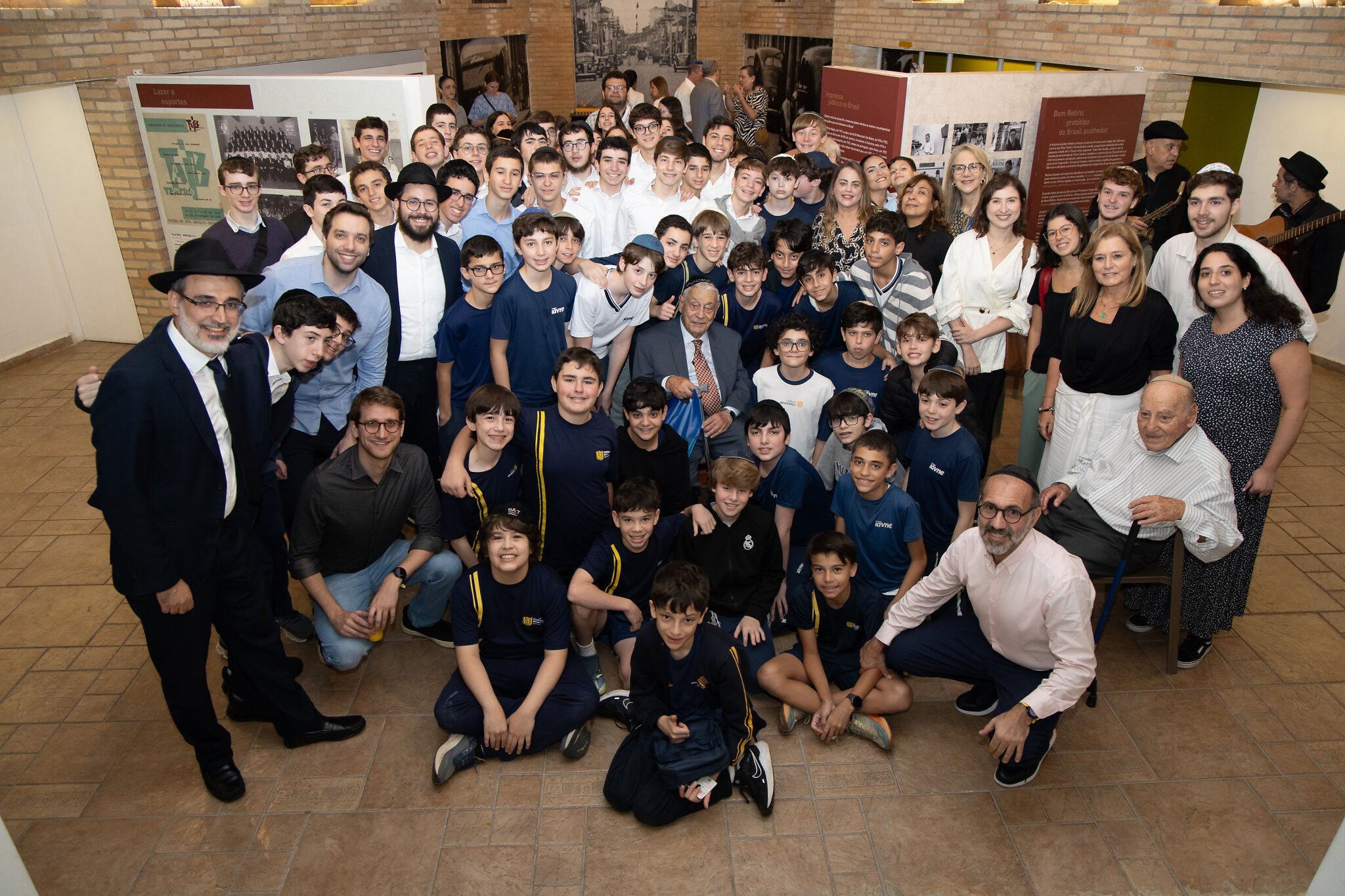
The ceremony was further enriched by the presence of fellow survivors of the Shoah: Jorge Weiser, Hannah Charlier, and Ariella Segre, making the celebration even more meaningful and collective.
The Life of Stefan Lippmann
The life of Stefan Lippmann is marked by episodes of pain, resilience, and reconstruction. Born in Germany, as a child he witnessed men invading his home and destroying everything — a memory he would later recognize as part of Kristallnacht, when Jewish shops were smashed and families attacked. Shortly afterward, his mother decided to flee with him, carrying only the essentials to avoid drawing attention. Their journey took them to Belgium, where Stefan was hidden in a Catholic convent and forced to adopt a false name: Etiene Campenhout, to disguise his Jewish identity.
His father was captured by the Nazis, sent to the Drancy concentration camp in France, and later deported to Auschwitz, where he was murdered. For years, Stefan believed his father had died in France, until documents discovered at Yad Vashem in Jerusalem confirmed his death in Auschwitz.
In the convent, Stefan lived the contradiction of being persecuted for something he did not yet fully understand. He recited Catholic prayers alongside other children and even considered converting to Catholicism. He confided this desire to a priest, who wisely advised: “Wait until you are older to make that decision.” This counsel left a lasting impression on Stefan, as an act of respect for his freedom and identity.
Survival in Belgium was harsh: without official access to food, they depended on the generosity of neighbors. His mother, during brief visits, would bring butter and eggs, which he had to eat immediately to prevent them from being confiscated. In 1946, after the war, Stefan and his mother boarded a cargo ship bound for Brazil. The crossing was grueling: hundreds of people crowded into makeshift bunks, constant seasickness, and in the final days, no drinking water — only French wine, which Stefan found unbearable.
In Brazil, they were welcomed at the port of Santos by his grandfather and uncle. Stefan rebuilt his life, starting with modest jobs such as electrician’s assistant, until finding opportunities in offices and pursuing academic studies. Overcoming difficulties, he graduated as an engineer from the University of São Paulo. He married, had children and grandchildren, and saw his family spread across the world — with his son eventually moving to Portugal.
His relationship with German citizenship was complex. The Nazi regime had stripped all Jews of their nationality, leaving him stateless. Later, the German government allowed Jews to reapply for citizenship, and Stefan obtained a German passport. However, already naturalized as a Brazilian, he realized his life was rooted in Brazil. When he attempted to renew his passport at the German consulate, he experienced a symbolic moment:
They took a pair of scissors, cut it in two pieces, and said: you are no longer German.
Germany did not accept dual citizenship, and that gesture definitively severed his official ties with the country of his birth.