Sudan’s Crises and Europe’s Choice: Engagement or Irrelevance
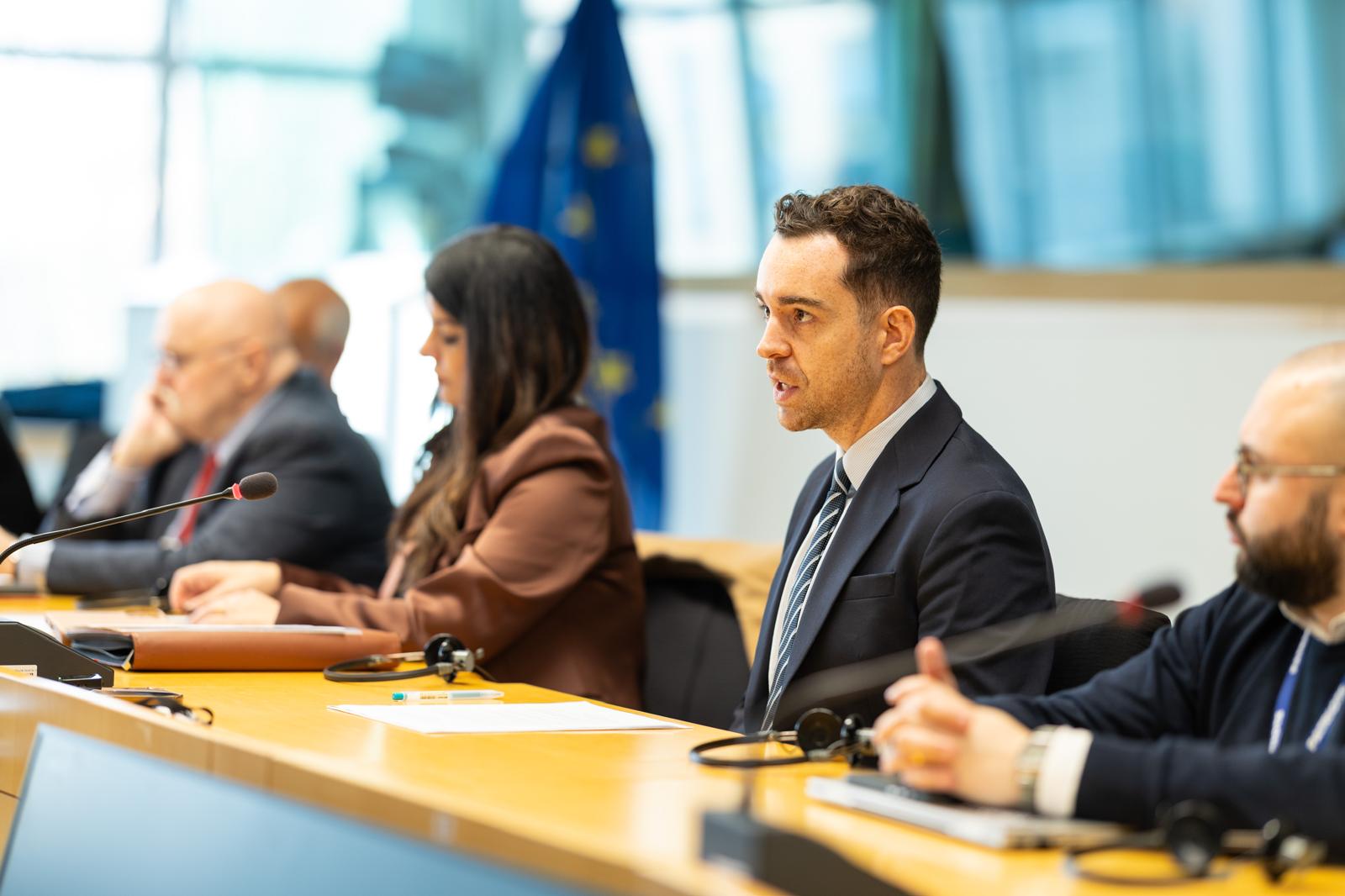
For too long, the war in Sudan has been viewed from afar in European capitals as a tragic yet distant issue—something to be dealt with through aid rather than meaningful political action. The conference titled “Sudan in Crisis: Turning Humanitarian Action into Lasting Peace,” which took place at the European Parliament in Brussels, directly confronted this complacency.
The discussions led to a clear and urgent realization: Sudan’s downfall is no longer a distant concern for Europe’s interests, security, or values, and simply providing humanitarian aid won’t stop a war that is being actively driven by ideology, foreign meddling, and a lack of accountability.
Since the fighting broke out on April 15, 2023, Sudan has spiraled into the world’s largest humanitarian disaster. Millions have been forced from their homes, famine is rampant, and civilians find themselves caught in the crossfire of two brutal military factions.
However, the conference underscored that this devastation isn’t just a tragic coincidence. It stems from intentional political decisions, both within Sudan and from outside its borders, that have allowed armed groups to operate without facing any consequences.
The debate was moderated by Manel Msalmi, human rights advisor at the Milton Friedman Institute.
Security analyst and journalist Claude Moniquet has raised alarms about the role of Islamist networks tied to the Muslim Brotherhood, along with Iranian involvement, in extending the conflict. He points to evidence of Iranian arms being funneled through the Red Sea to the Sudanese Armed Forces, highlighting how Sudan is turning into a strategic corridor for forces that threaten European stability. This issue goes beyond Sudan; it’s becoming a pressing security concern for Europe’s southern neighbors.
Former MEP Paulo Casaca emphasized that ongoing external support for Islamist factions—especially from Qatar and similar entities—has empowered Sudan’s leaders to dismantle international mechanisms meant to curb abuses. The removal of oversight missions and the decline of accountability weren’t just policy missteps; they were deliberate strategies that allowed widespread violations to persist unnoticed. His comments shed light on how the international community’s silence has been manipulated as a tactical advantage by those fueling the conflict.
Heath Sloane further highlighted the regional and ideological aspects of the conflict, arguing that Islamist groups have become key players in shaping the war’s direction. He warned that Europe could face serious repercussions if Sudan continues to disintegrate: uncontrolled migration, the spread of extremist ideologies, and the strengthening of hostile foreign powers. His appeal for European support for Sudanese civic actors—particularly women, minorities, journalists, and grassroots organizations—serves as a reminder that true peace won’t emerge from empowering armed elites but from revitalizing civilian political life.
A particularly eye-opening comment came from Khalid Omer Yousif, who previously served as Sudan’s Minister of Cabinet Affairs. He described the ongoing conflict as the world’s most severe humanitarian crisis and emphasized that there’s no military fix to this situation. He pointed out that decades of authoritarian rule have stifled Sudan’s diversity and set the stage for the violence we see today. He called for accountability for the atrocities committed by all parties involved and urged Europe to take a hard look at how the Sudanese Islamic Movement has contributed to the ongoing war. Yousif stressed the importance of supporting the Quad’s roadmap from September 12, increasing humanitarian aid, and backing international fact-finding missions as crucial steps toward achieving justice and peace.
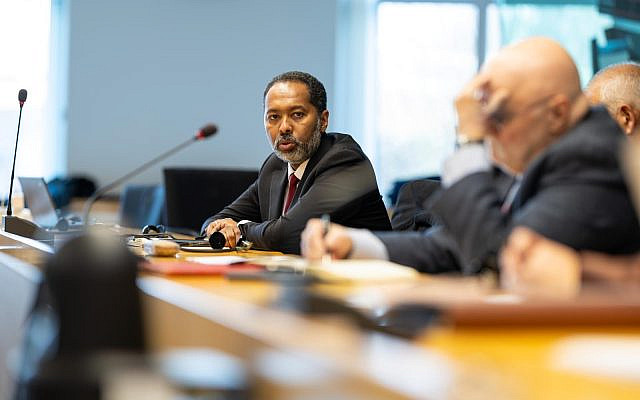
Journalist and human rights advocate Andy Vermaut provided a historical backdrop to the current war, reminiscing about the optimism surrounding Sudan’s 2019 revolution before it was derailed by military and Islamist factions. He painted a bleak picture of the current situation: famine, mass displacement, sexual violence, and reports of chemical weapons being used against civilians. His critique of Europe’s double standards—claiming to uphold human rights while enabling extremists—struck a chord. He also cautioned that regional military support, particularly for the Sudanese Armed Forces, has only prolonged a conflict that has no victors.
The conference also tackled the wider strategic implications. Sudan’s readiness to allow Port Sudan to serve as a foothold for Russian influence in Africa poses a direct threat to European security. A Russian presence on the Red Sea could destabilize maritime routes and facilitate the arming of militias throughout the continent. The screening of a recent France 24 investigation into the alleged use of chemical weapons by Sudanese forces served as a stark reminder of how far the conflict has escalated—and how urgently we need decisive action.
The conference also delved into the larger strategic risks involved. Sudan’s willingness to use Port Sudan as a gateway for Russian influence in Africa directly challenges European security interests. A Russian foothold on the Red Sea could not only destabilize maritime routes but also allow for the arming of militias across the continent. The recent screening of a France 24 investigation into the alleged use of chemical weapons by Sudanese forces served as a chilling reminder of how far the conflict has escalated—and how urgent it is to take decisive action.
The central message from Brussels was crystal clear. Humanitarian aid, while essential, cannot replace the need for political will. Without exerting pressure on those who are fueling the war, without sanctions on extremist networks, and without robust support for the voices of civilians in Sudan, the conflict will only continue to spread. Europe now faces a pivotal choice: to remain a passive donor to an endless crisis or to act as a political force capable of driving a different outcome.