
a TV Host, and a war correspondent at the Channel 9
Ten minutes into Netanyahu’s trial
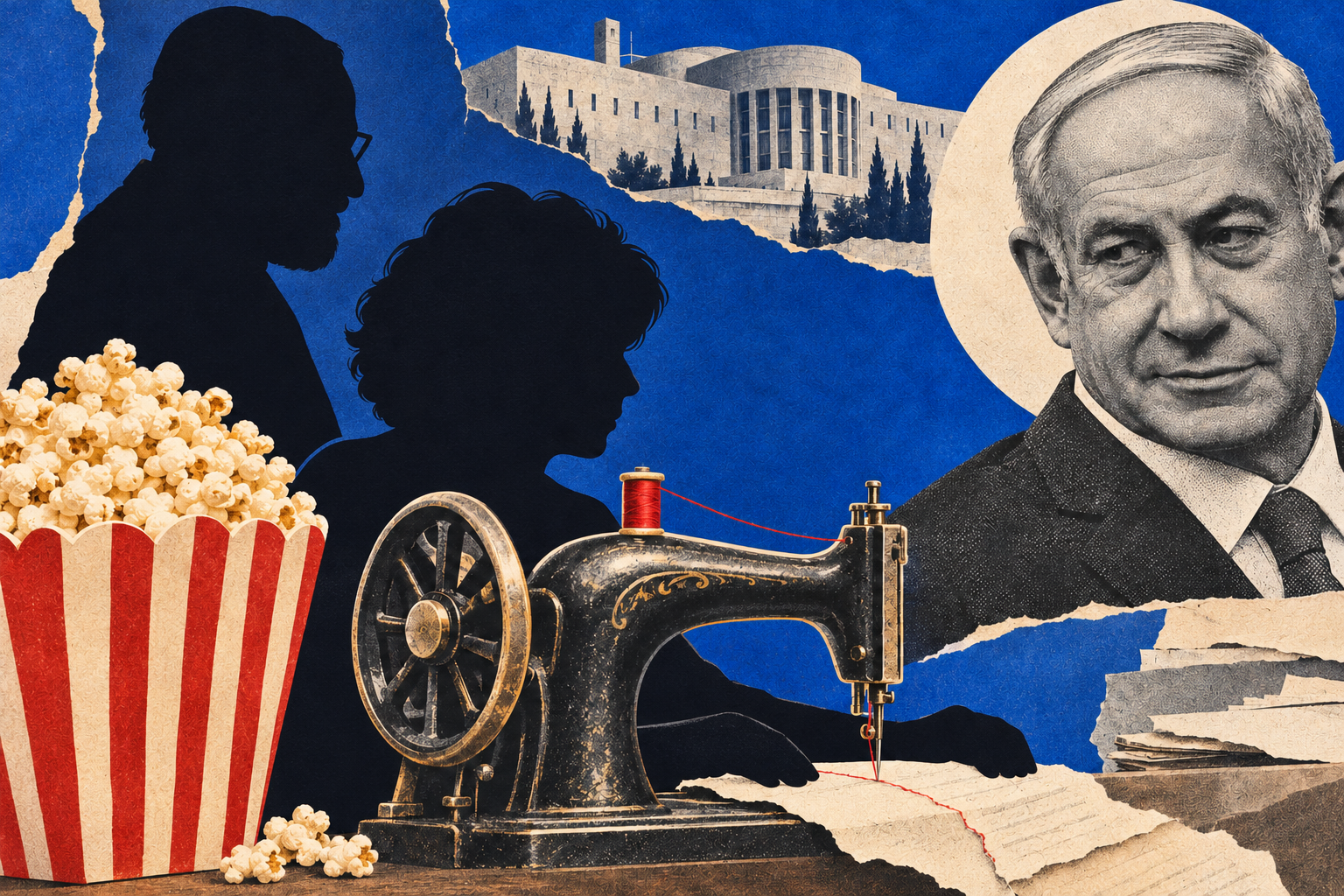
AI-generated satirical illustration accompanying the author’s commentary. The scene is fictional.
Attorney General Gali Baharav-Miara saw little reason to come to court. Her team was already in the courtroom, and she trusted them implicitly. The judges politely assured her that they trusted her team, too. However, they wanted to see the boss in person. Perhaps they were tired of playing telephone. The military advocate general scandal had already given us the underwater edition.
On Wednesday, Baharav-Miara and State Attorney Amit Aisman finally made it to court. The audience lasted ten minutes, just enough time for the judges to go through the case against Benjamin Netanyahu, count by count. Presiding Judge Rivka Friedman-Feldman made clear up front that the panel was giving its preliminary assessment and that its remarks concerned Netanyahu alone. Then she got to the point.
“In our view, the public interest calls for a rethink.”
Case 4000 — It started with bribery. Now the whole count is in doubt.
Back in June 2023, the judges suggested that the prosecution might want to drop the bribery charge. Three years and five months later, with Netanyahu’s testimony behind them, the judges went a step further. They suggested that prosecutors consider dropping the entire first count, including fraud and breach of trust.
The panel had questions about the very premise of the case. On the regulatory side, the allegation rests largely on the testimony of Shlomo Filber, whose account changed and was hard to reconcile with the objective evidence. As for Walla, what exactly was so “unusual” about the news site’s responsiveness to Netanyahu’s requests? What was it being compared with? And did Netanyahu himself know at the time that he was getting unusual treatment? The panel’s assessment was straightforward. The chances of a conviction on this count are low.
Case 2000 — Can you spot the crime?
Here, the prosecution has recordings of Netanyahu’s conversations with publisher Arnon “Noni” Mozes. On the prosecution’s own account, Netanyahu had no intention of actually squeezing Israel Hayom. He wanted Mozes to think he might, in the hope of basking in favorable coverage from Mozes’s outlets.
The judges had a reasonable question. Where, exactly, is the criminal offense? And what personal benefit did Netanyahu receive? The recordings establish what was said. The prosecution still has to explain how those words and the conduct described in the indictment amount to a crime. If it can’t, the count could be dismissed before the court even weighs the evidence.
Case 1000 — Time to bring it to a close
The court has already heard most of the evidence in the gifts case. The judges left the chances of a conviction open and asked the parties to find a procedural way to bring the case to a decision.
The hearing ended with an exchange of diplomatic courtesies. Baharav-Miara promised to review everything with her team. She recalled that the prosecution had been open to a plea deal since President Isaac Herzog’s initiative, but its “outstretched hand was left hanging.” Netanyahu’s lawyer, Amit Hadad, replied that the defense was extending a hand of its own. It would simply prefer to arrange the meeting through the court rather than through the president.
It took the judges ten minutes to call into question years of investigative work and hundreds of millions of shekels in public spending, and to put a simple question to the prosecution. What, exactly, do you still expect to prove?
There isn’t much popcorn left, but I think we’ll manage.
Related Topics
Related Posts