
The Bones of Yosef: Ran Gvili and Jewish History
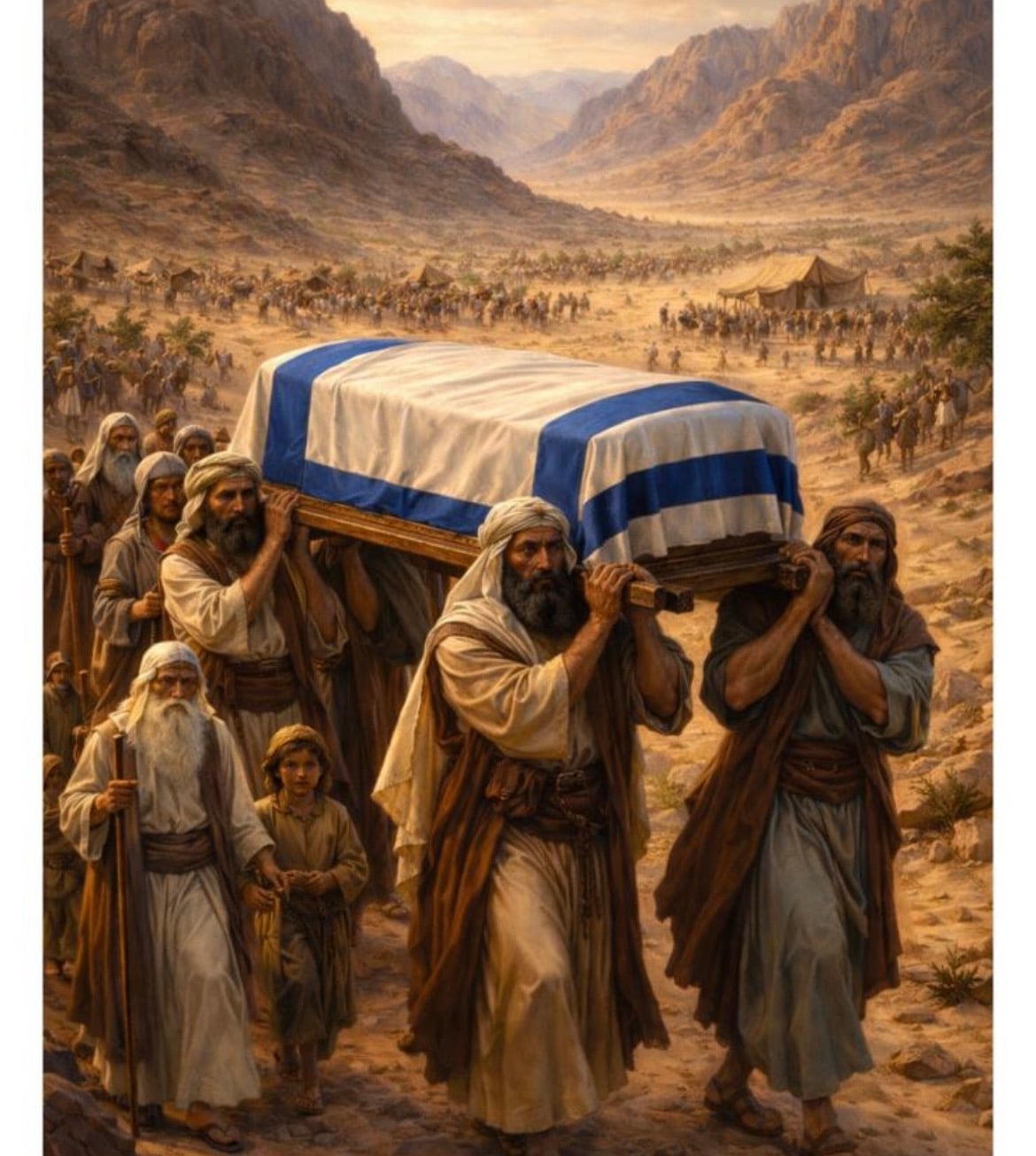
1) Framing History
The final Israeli hostage, Ran Gvili, has finally been returned for burial. For that, we must give thanks to God. Is the Gaza War now over? When did it even begin? Most would say on October 7th. But you could also say it began in 2005 after the Disengagement. Or that it began in 1967, or 1948. Where to begin and end a story, how to frame history, is an inherently vague and artificial human construct. The rabbis recognized this. When dealing with the question of how to frame the story of the Exodus on Pesach Seder night, we see a dispute in Pesachim 116a (all texts and translations taken from Sefaria, with slight modifications):
מַתְחִיל בִּגְנוּת וּמְסַיֵּים בְּשֶׁבַח. מַאי בִּגְנוּת? רַב אָמַר: ״מִתְּחִלָּה עוֹבְדֵי עֲבוֹדָה זָרָה הָיוּ אֲבוֹתֵינוּ״. [וּשְׁמוּאֵל] אָמַר: ״עֲבָדִים הָיִינוּ״.
It was taught in the mishna that the father begins his answer with disgrace and concludes with glory. The Gemara asks: What is the meaning of the term: With disgrace? Rav said that one should begin by saying: At first our forefathers were idol worshippers (Joshua 24), before concluding with words of glory. And Shmuel said: The disgrace with which one should begin his answer is: We were slaves in Egypt… (Devarim 6).
Rav instructs us to frame the Exodus story as Joshua did in his final speech to the people. Yehoshua 24:1-4 –
And Joshua assembled all the tribes of Israel at Shechem. He summoned Israel’s elders and commanders, magistrates and officers; and they presented themselves before God. Then Joshua said to all the people, “Thus said the ETERNAL, the God of Israel: In olden times, your ancestors—Terah, father of Abraham and father of Nahor—lived beyond the Euphrates and worshiped other gods. But I took your ancestor Abraham from beyond the Euphrates and led him through the whole land of Canaan and multiplied his offspring. I gave him Isaac, and to Isaac I gave Jacob and Esau. I gave Esau the hill country of Seir as his possession, while Jacob and his children went down to Egypt.
Sefer Yehoshua, as the first book of the prophets, is essentially the sequel to the Torah. Nedarim 22b:
אָמַר רַב אַדָּא בְּרַבִּי חֲנִינָא: אִלְמָלֵא (לֹא) חָטְאוּ יִשְׂרָאֵל :לֹא נִיתַּן לָהֶם אֶלָּא חֲמִשָּׁה חוּמְשֵׁי תוֹרָה וְסֵפֶר יְהוֹשֻׁעַ בִּלְבַד, שֶׁעֶרְכָּהּ שֶׁל אֶרֶץ יִשְׂרָאֵל הוּא.
Rav Adda, son of Rabbi Ḥanina, said: Had Israel not sinned in earlier times they would have been given the five books of the Torah and the book of Joshua alone. They needed the book of Joshua because it includes the arrangement of Eretz Yisrael. [Since it contains the division of Eretz Yisrael among the tribes, it was required for all generations, but the other books of the prophets primarily detail the history of how Israel angered God and He sent prophets to admonish them] (Sefaria.org)
And how does this last chapter of Joshua itself end? The last two verses, 32-33:
וְאֶת־עַצְמ֣וֹת י֠וֹסֵ֠ף אֲשֶׁר־הֶעֱל֨וּ בְנֵי־יִשְׂרָאֵ֥ל ׀ מִמִּצְרַ֘יִם֮ קָבְר֣וּ בִשְׁכֶם֒ בְּחֶלְקַ֣ת הַשָּׂדֶ֗ה אֲשֶׁ֨ר קָנָ֧ה יַעֲקֹ֛ב מֵאֵ֛ת בְּנֵי־חֲמ֥וֹר אֲבִֽי־שְׁכֶ֖ם בְּמֵאָ֣ה קְשִׂיטָ֑ה וַיִּֽהְי֥וּ לִבְנֵֽי־יוֹסֵ֖ף לְנַחֲלָֽה׃
וְאֶלְעָזָ֥ר בֶּֽן־אַהֲרֹ֖ן מֵ֑ת וַיִּקְבְּר֣וּ אֹת֗וֹ בְּגִבְעַת֙ פִּֽינְחָ֣ס בְּנ֔וֹ אֲשֶׁ֥ר נִתַּן־ל֖וֹ בְּהַ֥ר אֶפְרָֽיִם׃
“And the bones of Joseph, which the Israelites had brought up from Egypt, were buried at Shechem, in the piece of ground that Jacob had bought for a hundred kesitahs from the children of Hamor, Shechem’s father, and which had become a heritage of the Josephites. And Eleazar son of Aaron also died, and they buried him on the hill of his son Phinehas, which had been assigned to him in the hill country of Ephraim”.
Elazar the Kohen Gadol was from the tribe of Levi. The Midrash teaches that the individual Levi was the ring leader in selling his brother Yosef into slavery. Shimon was also a ringleader in this regard, but at the time of Yehoshua, the tribe of Shimon was relatively small and weak, making the more prominent tribe of Levi the more formidable foil to Yosef. Efraim is the scion son of Yosef. The prime descendent of Levi is buried in the land of Yosef, showing unity amongst the free and sovereign tribes of Israel in their Land, a tikkun (recitation) for the disunity of their ancestors, which had led to their exile and enslavement. And so, the end of Yehoshua points us back to the story of Yosef and his brothers as the beginning of Jewish national history.
2) Joseph and His Brothers and Us
Bereshit 37: 1-2 –
וַיֵּ֣שֶׁב יַעֲקֹ֔ב בְּאֶ֖רֶץ מְגוּרֵ֣י אָבִ֑יו בְּאֶ֖רֶץ כְּנָֽעַן׃
אֵ֣לֶּה ׀ תֹּלְד֣וֹת יַעֲקֹ֗ב יוֹסֵ֞ף בֶּן־שְׁבַֽע־עֶשְׂרֵ֤ה שָׁנָה֙ הָיָ֨ה רֹעֶ֤ה אֶת־אֶחָיו֙ בַּצֹּ֔אן וְה֣וּא נַ֗עַר אֶת־בְּנֵ֥י בִלְהָ֛ה וְאֶת־בְּנֵ֥י זִלְפָּ֖ה נְשֵׁ֣י אָבִ֑יו וַיָּבֵ֥א יוֹסֵ֛ף אֶת־דִּבָּתָ֥ם רָעָ֖ה אֶל־אֲבִיהֶֽם׃
“Now Jacob was settled in the land where his father had sojourned, the land of Canaan.
This, then, is the line of Jacob: At seventeen years of age, Joseph tended the flocks with his brothers, as a helper to the sons of his father’s wives Bilhah and Zilpah. And Joseph brought bad reports of them to their father”.
Rashi comments on verse 1 that Yaakov had wanted to settle down in Canaan. But that was not meant to be. In verse 2 we immediately see conflict amongst his sons. This is the cycle of Jewish history. The Jews want to settle in Israel in peace. But the brothers fight amongst themselves over who is the favored son of Israel, who is the more authentic Jew.
Verses 14-17 –
“And Israel said to Joseph, ‘Your brothers are pasturing at Shechem. Come, I will send you to them.’ He answered, ‘I am ready.’ And he said to him, ‘Go and see how your brothers are and how the flocks are faring, and bring me back word.’ So he sent him from the valley of Hebron. When he reached Shechem, a man came upon him wandering in the fields. The man asked him, ‘What are you looking for?” He answered, ‘my brothers do I seek’. Could you tell me where they are pasturing?’ The man said, ‘They have gone from here, for I heard them say: Let us go to Dothan.’ So Joseph followed his brothers and found them at Dothan”.
Rashi comments that this anonymous man who sent Yosef from Shechem to his brothers was the angel Gavriel. Shechem is significant not because the city itself bears any unique holiness within the Land, but because of its location: at the center of the ancient Land of Israel.
And so, the tragic pattern continues: The focal son of Israel declares “I only seek my brothers”; my true desire is unity with my brothers. But the hand of Gabriel, the hand of fate, guides them to where they are only headed anyway, to strife in the center of Eretz Yisrael, in the place where they ought to be unified. They sell each other out to their enemies, which leads to exile and subjugation.
In exile, the prime son of Israel goes from slavery to royalty, and his final request is just to return to Eretz Yisrael where it all began, even if only in death. The Jews carry his bones for forty years to the Promised Land, and at the very end of the story, he is buried back in Shechem, in the center of Israel, which is finally now a symbol of centrality and unity as it was always meant to be. He is buried in the same spot where the hand of fate had first led him to fight with his brothers. This is the tikkun, this is the cycle of Jewish history.
Jewish tradition teaches that this cycle does not repeat forever. We will, in fact, one day settle in Israel in peace forever. But it’s our job to determine the timeline of how that happens.
In an article from the other day, this website wrote: “Ran Gvili served in the Negev unit of the Border Police. On Oct. 7, despite being injured and awaiting surgery for a broken shoulder following a motorcycle accident, he went into combat and helped rescue dozens of people fleeing the Nova music festival near Re’im before he was killed. His body was abducted from the area near Kibbutz Alumim.”
Yesterday, Ran was buried in his hometown of Meitar, in the exact center of the modern State of Israel (about equidistant from Eilat in the south and the Lebanese border in the north). And the People of Israel felt united, at least for a while.