
Designing a world that works for everyone with no one left out.
The Cards Are On the Table. Now, it’s Your Turn.
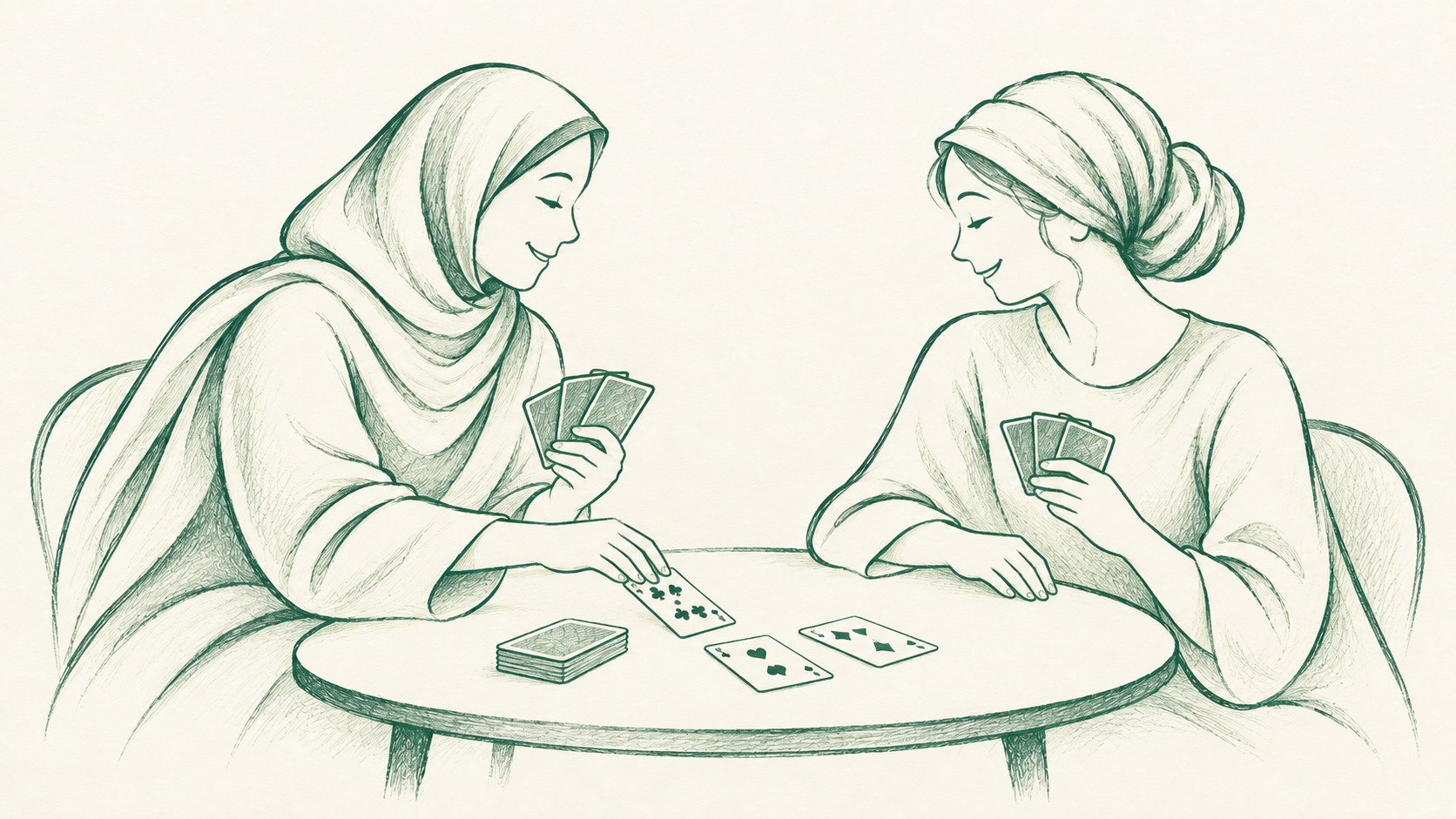
The Cards Are on the Table. Now It's Your Turn.
According to a July 2026 analysis by Israeli research firm Points, approximately 595,000 Israelis are expected to be eligible to vote in a Knesset election for the first time this year. Of those, 303,000 are women, representing 50.9% of the new electorate.
To put that in perspective, 303,000 is larger than the entire number of votes received by several parties that entered the Knesset in 2022. United Torah Judaism received 280,194 votes and won seven seats. Yisrael Beitenu received 213,687 votes and won six. Ra’am received 194,047 votes and won five. These comparisons illustrate the size of this newly eligible population, although its members will make individual choices across different parties.
As a 54-year-old woman in the United States, I’m still overwhelmed with information when I step into my private voting booth. It feels like an exam I need to pass, and one “wrong” answer means I’ve failed the quiz.
But I make sure I vote because it’s a privilege that generations of women before me fought to secure, and one I don’t take for granted.
Here in the United States, we have two dominant political parties. In Israel, as of this morning, voters have 35 electoral lists to choose from. Thirty-five! Imagine studying for that exam.
Israel has a parliamentary system where parties compete for seats in the Knesset and coalitions need to work with each other to form a government. One benefit is that coalition-building requires negotiation and compromise. The biggest drawback, at least to an outsider like me, is how complicated it all seems.
So I started building Torekh:
Your Turn. תורך. دورك.
It’s an interactive voters’ guide to Israeli politics designed to simplify the ‘game’ of politics so that voters are empowered to explore the cards on the table and decide for themselves. Each card represents a political party. Turn it over, and you’ll find what that party stands for, what it proposes, and how its positions compare with those of other parties. You can even shuffle the deck to try different combinations of parties.
Its first feature is a set of interactive cards, designed to work on a phone. Readers can recognize ballot letters, find official candidate lists and follow sources behind the information. The cards use a consistent format and make no voting recommendations.
My intention for Torekh is that it will make Israeli politics more accessible to first-time voters. What to Expect
The project began with questions about women’s representation and the political landscape facing Jewish and Arab women in Israel. Those questions remain an important part of its development, but the guide itself is intended as an open resource for anyone interested in understanding the choices on the political landscape.
Explore the project at Torekh.org.
Sources:
- Walla — July 23, 2026: Original reporting on the Points analysis, including the estimate of 303,000 newly eligible women.
- The Jerusalem Post — First-time voters in 2026: English-language reporting on the same study.
-
Israel Democracy Institute — 2022 election results: Historical party vote totals and Knesset seats.
الأوراق على الطاولة. والآن جاء دورك.
وفقًا لتحليل أجرته شركة الأبحاث الإسرائيلية «بوينتس» (Points) في يوليو/تموز 2026، من المتوقع أن يكون نحو 595,000 إسرائيلي وإسرائيلية مؤهلين للتصويت في انتخابات الكنيست للمرة الأولى هذا العام. ومن بينهم 303,000 امرأة، أي ما يعادل 50.9% من الناخبين الجدد.
ولوضع هذا الرقم في سياقه، فإن 303,000 ناخبة يفوق العدد الإجمالي للأصوات التي حصلت عليها عدة أحزاب دخلت الكنيست في انتخابات عام 2022. فقد حصل حزب يهدوت هتوراه (يهودية التوراة المتحدة) على 280,194 صوتًا وفاز بسبعة مقاعد، وحصل حزب إسرائيل بيتنا على 213,687 صوتًا وفاز بستة مقاعد، بينما حصلت القائمة العربية الموحدة (راعم) على 194,047 صوتًا وفازت بخمسة مقاعد. وتوضح هذه المقارنات حجم هذه الفئة الجديدة المؤهلة للتصويت، مع الأخذ في الاعتبار أن أفرادها سيتخذون قراراتهم بصورة مستقلة، وقد يختارون أحزابًا مختلفة.
بصفتي امرأة تبلغ من العمر 54 عامًا وأعيش في الولايات المتحدة، ما زلت أشعر أحيانًا بأنني غارقة في بحر من المعلومات عندما أدخل غرفة الاقتراع لأدلي بصوتي بسرية. يبدو الأمر وكأنني أمام امتحان عليّ اجتيازه، وأن إجابة واحدة «خاطئة» تعني أنني رسبت!
ومع ذلك، أحرص دائمًا على التصويت، لأنه حق ناضلت أجيال من النساء قبلي من أجل الحصول عليه، ولا أعتبره أمرًا مفروغًا منه.
هنا في الولايات المتحدة، يهيمن حزبان سياسيان رئيسيان على المشهد. أما في إسرائيل، فحتى صباح اليوم، أمام الناخبين 35 قائمة انتخابية للاختيار من بينها. خمس وثلاثون قائمة! تخيلوا كم يلزم من الدراسة للاستعداد لهذا الامتحان.
تتبنى إسرائيل نظامًا برلمانيًا تتنافس فيه الأحزاب على مقاعد الكنيست، وتحتاج الائتلافات إلى التعاون فيما بينها لتشكيل الحكومة. ومن مزايا هذا النظام أن بناء الائتلافات يتطلب التفاوض والتوصل إلى حلول وسط. أما أكبر عيوبه، على الأقل من وجهة نظري كشخص يراقب المشهد من الخارج، فهو مدى تعقيده.
لهذا بدأت العمل على مشروع Torekh:
Your Turn. תורך. دورك.
وهو دليل تفاعلي للناخبين حول السياسة الإسرائيلية، صُمم لتبسيط «لعبة» السياسة، بحيث يتمكن الناخبون من استكشاف الأوراق الموضوعة على الطاولة واتخاذ قراراتهم بأنفسهم.
تمثل كل ورقة حزبًا سياسيًا. اقلب الورقة، وستجد معلومات عما يؤمن به الحزب، وما يقترحه، وكيف تقارن مواقفه بمواقف الأحزاب الأخرى. ويمكنك حتى خلط الأوراق وتجربة تشكيلات مختلفة من الأحزاب.
وتتمثل أولى ميزات الموقع في مجموعة من البطاقات التفاعلية المصممة للاستخدام على الهاتف المحمول. يستطيع القراء التعرف على رموز القوائم الانتخابية، والاطلاع على قوائم المرشحين الرسمية، والوصول إلى المصادر التي تستند إليها المعلومات. وتتبع البطاقات تنسيقًا موحدًا، ولا تقدم أي توصيات بشأن التصويت.
آمل أن يجعل مشروع Torekh السياسة الإسرائيلية أكثر سهولة ووضوحًا للناخبين الذين يشاركون في الانتخابات للمرة الأولى. ما الذي يمكن توقعه
بدأ المشروع بأسئلة حول تمثيل النساء والمشهد السياسي الذي تواجهه النساء اليهوديات والعربيات في إسرائيل. وما زالت هذه الأسئلة جزءًا مهمًا من تطويره، لكن الدليل نفسه يهدف إلى أن يكون مصدرًا مفتوحًا لكل من يرغب في فهم الخيارات المطروحة على الساحة السياسية.
اكتشفوا المشروع على Torekh.org.
المصادر
- واللا — 23 يوليو/تموز 2026: التقرير الأصلي حول تحليل شركة Points، بما في ذلك تقدير عدد النساء المؤهلات للتصويت للمرة الأولى بنحو 303,000 امرأة.
- جيروزاليم بوست — الناخبون لأول مرة في 2026: تقرير باللغة الإنجليزية حول الدراسة نفسها.
- المعهد الإسرائيلي للديمقراطية — نتائج انتخابات 2022: النتائج التاريخية لأصوات الأحزاب وعدد المقاعد التي حصلت عليها في الكنيست.
Related Topics
Related Posts